
If you’re wondering how to keep your aquarium water crystal clear and healthy, a canister filter might be just what you need. It’s an external device that uses multiple stages of filtration to remove debris, chemicals, and promote good bacteria growth.
Making it perfect for larger or heavily stocked tanks. Keep reading to learn how to choose, install, and maintain one effectively.
What Is a Canister Filter and How Does It Work?
A canister filter is an external filtration system that sits outside your aquarium, typically below or beside the tank. It operates by drawing water through an intake tube or hose into a sealed canister chamber. Inside, a pump or impeller generates suction, circulating water through multiple internal chambers filled with different types of media. These media include mechanical layers to trap debris, biological layers to support beneficial bacteria, and sometimes chemical filters to adsorb impurities. As water passes through each media layer, it is cleaned of particles, toxins are neutralized, and odors are reduced. Proper setup and regular maintenance help ensure your filter performs optimally and maintains aquarium water quality. The filtered water then flows back into the tank via a spray bar or outflow nozzle, ensuring continuous circulation and clear water without cluttering the display. Additionally, understanding filter media types can help you customize your setup for optimal performance.
What Are the Key Stages in Canister Filter Filtration?
The key stages in canister filter filtration are mechanical, biological, and chemical. Mechanical filtration is the first stage, removing large debris with coarse sponges or pads. This prevents clogging of subsequent media and improves overall efficiency. The second stage is finer mechanical filtration, where thinner pads trap smaller particles, resulting in clearer water. Following this, biological filtration occurs, supported by media like ceramic rings or bio-balls, which provide a habitat for beneficial bacteria. These bacteria convert toxic ammonia into less harmful substances, maintaining a healthy environment. Proper sequencing of these media helps protect the beneficial bacteria from debris and ensures stability. The final stage is chemical filtration, which uses activated carbon or resins to remove odors, discoloration, and organic compounds. Layering the media correctly also helps prevent clogging and promotes consistent water flow throughout the filter.
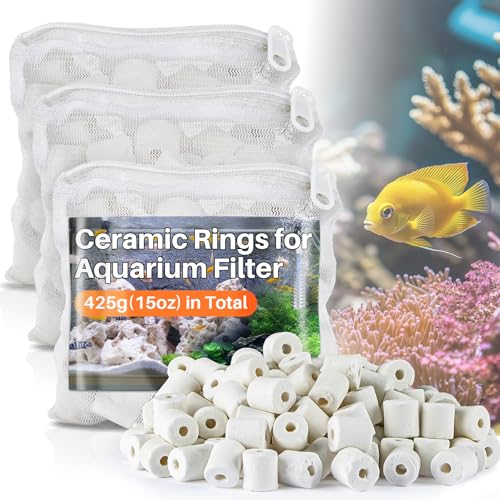
Efficient Purification: Designed for both freshwater and saltwater aquariums; Helps capture floating particles and impurities; Promotes clearer and cleaner water; Improves overall water quality over time; Works continuously to maintain a balanced aquatic environment

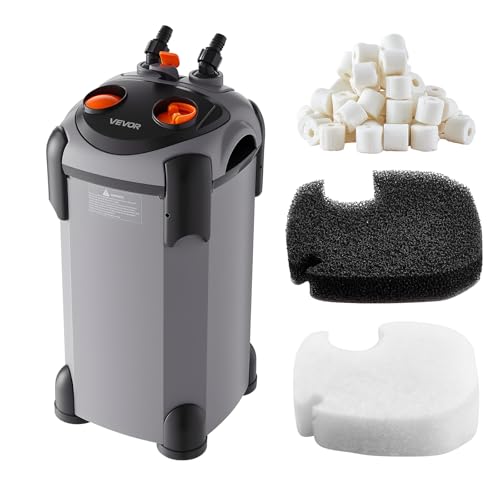
Rich Filtration Kit: our product is compatible with fluval FX4, FX5, FX6 filter systems, the package contains 17 replacement accessories, a total of 11 filter cotton pads, 3 packs of 100g activated carbon, 1 bag of 4g silicone lubricant, and 2 filter mesh bags, providing you with a comprehensive filtration

COMPATIBLE WITH FLUVAL 406/407: This pre-cut filter media set is compatible with Fluval 406 and Fluval 407 canister filters and is shaped for the corresponding filter baskets. Please compare the pad shape and dimensions with your existing media before ordering. Non-original aftermarket replacement.
Why Use a Canister Filter for Your Aquarium?
Canister filters are a top choice because of their high filtration capacity and external placement. Their design keeps equipment out of sight, which helps preserve your aquascape and provides more open space for swimming. With a compact footprint, they fit neatly inside a cabinet or stand, allowing flexible tank placement. Canister filters deliver strong water flow with adjustable intake and return outlets, ensuring efficient circulation throughout the tank. This constant movement helps distribute heat, nutrients, and gases evenly, supporting better gas exchange and overall water quality. Their staged filtration system effectively captures debris, waste, and impurities, maintaining clear, stable water. Additionally, their quiet operation and customizable media options make them suitable for tanks with specific needs or higher bioloads. Because they can hold large quantities of biological media, they are particularly effective for establishing and maintaining beneficial bacteria colonies crucial for biological filtration. Their ability to support biological filtration enhances the overall health and stability of your aquarium environment. Furthermore, comparing them with other filtration options reveals their superior performance and capacity for handling larger tanks effectively. An extra benefit of canister filters is their ease of maintenance, making regular cleaning and media replacement straightforward.
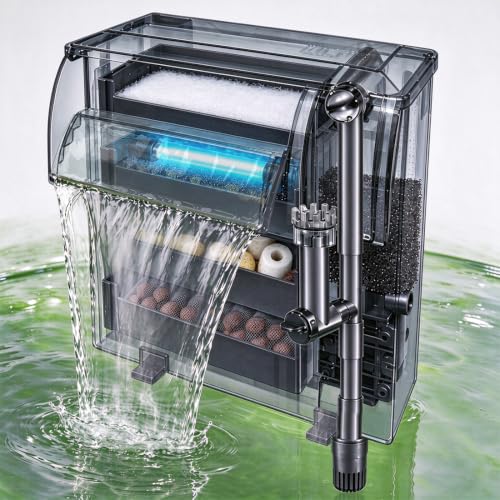
Integrated UV for Clearer Water: Built-in high-strength UV lamp with 4 timer modes: 3h, 6h, 12h, 24h. Helps reduce algae bloom and eliminate foul tank odors to improve aquarium visibility for 20–65 gallon aquariums. Visible water clarity improvement may appear within 3–5 days. Compact size with powerful all-in-one functions. UV lamp and pump are user-replaceable core components, covered for factory defects for 1 year

【Efficient Filtration Capabilities】 The PondForse canister filter utilizes multiple layers of filtration media to remove particles and impurities from the aquarium water. This comprehensive approach to water filtration helps maintain crystal-clear water and a healthy ecosystem for your aquatic pets.
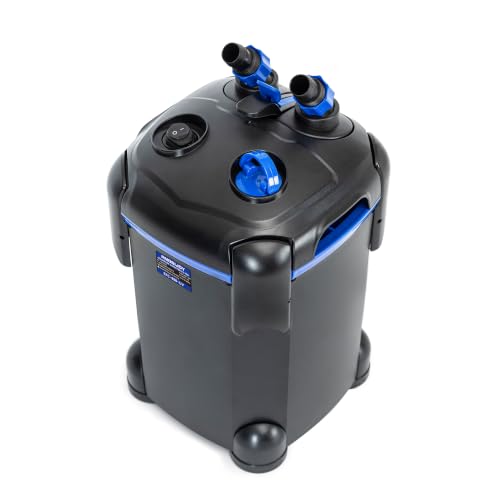
Powerful Water Purification: The canister filter fits 35-55 gal aquariums. Its 224.5 GPH water pump (12.3W) circulates water for clarity. Post-connection, flow may drop slightly due to pipe height and consumables, but filtration remains unaffected. Friendly Note: For planted aquariums, clear floating leaves regularly to help avoid inlet clogging. If water flow weakens, check the inlet and outlet for blockages, then disconnect power and clean the rotor if needed
How to Choose the Best Canister Filter for Your Tank
Choosing the best canister filter for your tank starts with matching its flow rate to your aquarium’s size and bioload. Aim for a filter rated at about 3 to 5 times the volume of your tank per hour. For example, a 50-gallon tank should have a filter capable of delivering between 150 and 250 gallons per hour. Larger tanks or those with a heavy bioload may require multiple filters or a higher-capacity model to handle the biological and mechanical waste effectively. The flexibility of the filter media is essential; adjustable compartments allow you to tailor mechanical, chemical, and biological filtration to your specific needs. Proper media setup ensures clear water and healthy fish by supporting beneficial bacteria growth and removing debris and toxins efficiently. Additionally, proper maintenance procedures play a vital role in prolonging filter lifespan and maintaining optimal filtration performance. It’s also important to consider energy efficiency, as more powerful filters can consume more electricity over time. Flow rate is another critical factor. It should promote good circulation without creating strong currents that stress your fish. Always verify the flow rate and consider how it impacts your tank’s inhabitants. Proper sizing, media options, and flow management make routine maintenance easier and ensure your aquarium stays clean, balanced, and healthy.

【Efficient Filtration Capabilities】 The PondForse canister filter utilizes multiple layers of filtration media to remove particles and impurities from the aquarium water. This comprehensive approach to water filtration helps maintain crystal-clear water and a healthy ecosystem for your aquatic pets.

FILTRATION PRINCIPLE: The built-in pump draws dirty water through the inlet tube, while surface water enters through the oil skimmer to help remove surface film. Water then passes through 4 stages of filter media before clean, filtered water flows back into the aquarium through the outlet

INTERNAL CANISTER FILTER: Submerged motor for quick and easy startup.
How to Maintain and Troubleshoot Your Canister Filter
Regular maintenance and troubleshooting are crucial for keeping your canister filter working effectively. To achieve this, clean the filter every 2 to 4 weeks, especially if your tank is heavily stocked. When cleaning, always turn off and unplug the filter first. Remove the filter media in the proper order to avoid disturbing beneficial bacteria, then rinse each piece with dechlorinated water—never use tap water directly, as chlorine can kill helpful bacteria.
Inspect hoses for kinks or blockages, as these can restrict flow. Check the intake strainer for debris, and ensure that seals and gaskets are clean, properly seated, and free of leaks. Clean the impeller and housing with a soft brush to prevent debris buildup that can reduce flow or cause noise. After reassembling, verify that the flow rate is strong and consistent; weak flow could indicate a clog or air bubble. Additionally, considering biological filtration can help maintain a healthy balance in your tank and prevent issues. Proper filter media maintenance is essential for supporting beneficial bacteria and overall tank health.
If you notice leaks, unusual noises, or a drop in flow rate, troubleshoot by inspecting and tightening fittings, priming the system if needed, and clearing any obstructions. Regularly test your tank’s ammonia and nitrite levels after maintenance to ensure biological stability is maintained. Proper upkeep will help you catch problems early and keep your aquarium environment healthy. Routine maintenance also reduces the risk of *hardware failure* over time. Maintaining proper tank size and avoiding overstocking can extend the lifespan of your filter and improve overall water quality.

Comprehensive Filter Media Kit for Superior Aquarium Filtration: The Media Maintenance Kit features a powerful trio of Fluval’s most effective filter media: mechanical (Bio-Foam), biological (BIOMAX), and chemical (Activated Carbon), ensuring a clean and healthy aquatic environment

【Compatible Models】This 4-stage filtration tank filter maintenance kit is compatible with AMOSIJOY 396GPH 3-Stage Canister Filter, Ultra-Quiet External Aquarium Filter. Suitable for freshwater and saltwater aquariums.

Efficient Biological Filtration: This 100 pcs aquarium bio balls filter media features a porous design with an inner sponge core, creating increased surface area for biological filtration and supporting stable water conditions in freshwater and saltwater aquarium systems
What Are the Different Types of Canister Filters?
Canister filters come in several types based on their design and operation, each suited for different aquarium setups. Pump placement is a key differentiator: top-mount models have pumps on the lid, making them easy to access but potentially less powerful; bottom-mount models use centrifugal pumps at the base for stronger circulation; side-mounted pumps are positioned below the lid, offering a middle ground; and external motor types operate separately from the canister, providing noise reduction and easier maintenance. Installation styles also vary. Traditional external units sit on the floor next to the tank, ideal for larger setups. Hang-on-back (HOB) models attach directly to the tank rim, conserving space and simplifying setup. Inline filters are integrated into the plumbing, offering discreet operation with flexible placement options. Fully submersible models operate entirely inside the tank, which is great for small or heavily planted tanks where space is limited. The choice of filter type often depends on the tank size and biological load, as larger tanks generally require filters with higher flow rates and greater media capacity to maintain water quality effectively. Filtration capacity differs among types as well. Larger units typically offer more media space for biological, mechanical, and chemical filtration, making them suitable for bigger aquariums or heavy bioloads. Smaller, compact filters are perfect for nano tanks or situations with minimal biological filtering needs. Each design comes with its own advantages and maintenance requirements, so selecting the right type depends on your tank size, space constraints, and filtration goals.

This aquarium filter baffle diffuses strong outflow from HOB filters to reduce turbulence, splashing, and noise. Its extendable design lets you adjust the position based on different flow strengths, creating a gentle and steady surface—perfect for betta fish, shrimp, and plants that prefer low-flow environments. The built-in sponge filter helps capture some debris, further improving water clarity.

Suitable to work partner with Diameter 16mm tube
One More Replacement Bulb & Complimentary Filter Medias: There are 2 bulbs come with this filter, which can effectively turn green water tank into crystal clear, improving the water quality. One more bulb is equipped with this filter that longer service life is ensured and the bulb can be timely replaced once the assembled one broken. Complimentary filter sponges and bio balls also speed up purifying the water.