
Choosing the right aquarium gravel can feel overwhelming with so many options out there.
The type you select affects not just the look of your tank but also the health of your fish and plants.
Whether you prefer natural stones, colorful accents, or gentle sand, understanding the differences helps you make the best choice.
Keep reading to discover which gravel suits your setup best.
What Are the Main Types of Aquarium Gravel and When Should You Use Them?
Natural gravel, made from unpainted river stones, is the most versatile choice for aquarium substrate. It supports beneficial bacteria that help break down waste, making it ideal for general freshwater tanks and planted setups. Its neutral appearance complements a variety of fish species and aquatic plants, creating a natural environment. Natural gravel is also easy to clean and maintain, reducing potential build-up of debris or harmful substances. Using biological filtration in your tank helps establish a healthy biological filtration system. Incorporating proper substrate layer depth ensures plants have enough space for root development and nutrient absorption, enhancing your aquarium’s stability. If you’re aiming for simplicity, biological stability, and a natural look, natural gravel is the best option.

Aquarium Safe: 100% natural gravel substrate suitable for aquariums, terrariums and vivariums

Triple Washed and Kiln Dried: This is one of the cleanest aquarium substrates available, no toxins, no foreign matter, 100% natural pebble

Aquarium Safe Material: 100% natural composition ensures safety for all aquatic life
How to Choose the Right Gravel for Your Aquarium Based on Fish and Environment
A 2 to 3 millimeter gravel size is ideal for bottom-dwelling fish like corydoras and loaches. This fine, smooth gravel allows them to sift through it comfortably without risking injuries to their bellies. Avoid sharp or chunky gravel over 5 millimeters, as food often gets trapped between larger stones, which can lead to unhygienic conditions and health problems for these fish. For larger bottom-dwellers or digging species, coarse gravel of 5 millimeters or more provides the durability and stability they need to burrow and move around effectively. Proper gravel size also enhances the overall look of the tank, especially when paired with good lighting that highlights the gravel’s color and your plant life. In planted tanks, soft, fine gravel of 1 to 2 millimeters supports delicate root systems, while medium-sized gravel around 2 to 5 millimeters balances water flow and plant growth. When choosing gravel, opt for inert materials like quartz or silica to ensure chemical stability and safety for sensitive species. Selecting the right gravel creates a harmonious environment, supporting your fish’s health, growth, and the overall stability of your aquarium. Proper gravel selection also helps maintain hygienic tank conditions by reducing debris buildup.

Natural Aquarium Gravel: No fading natural stones are non-toxic no additional fillers, dyes, or oils, these beautiful outdoor decorative rocks are perfect for fish tank, turtle tank, aquarium, garden, and any landscaping project
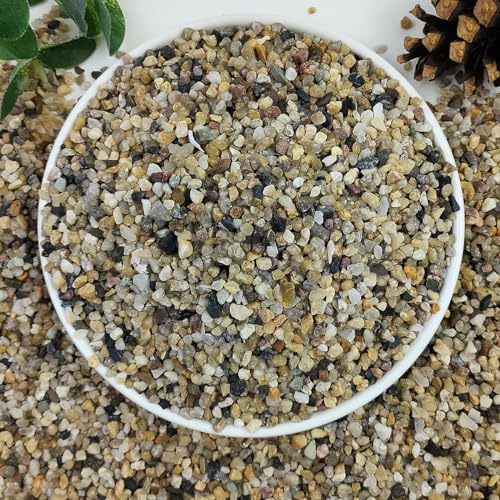
Natural Aquarium Gravel: No fading natural stones are non-toxic no additional fillers, dyes, or oils, these beautiful outdoor decorative rocks are perfect for fish tank, turtle tank, aquarium, garden, and any landscaping project

【Pure Natural】 A mix of black, white, yellow, and red colors with a rough texture and irregular shape. With a name borrowed from the ancient Chinese mythology of Pangea, the texture and appearance of Pangea Sand without artificial embellishment provides a genuinely natural and pristine aesthetic to the aquarium, and what you create is a whole new aquatic world.
Why Natural Gravel Is a Great Choice for Realistic Aquariums
Natural gravel is a top choice because it closely resembles the natural habitats of many fish and plants, creating a more authentic look. Its riverbed or lake-floor appearance supports realistic aquascaping, seamlessly blending with plants, driftwood, and rockwork. The subdued, earthy colors help keep the focus on your fish and plants, making the scene feel more natural and calming. As an inert substrate, natural gravel stabilizes water chemistry by preventing pH swings that could stress sensitive species. Its rough, porous surface provides ample space for beneficial bacteria, which enhances biological filtration and helps maintain a healthy nitrogen cycle. Natural gravel also anchors rooted plants effectively and offers hiding spots, making your aquatic environment more comfortable and secure. Plus, its durability and ease of maintenance make it a practical, long-lasting option for your aquarium setup, especially when paired with appropriate lighting and efficient filtration systems. Additionally, natural gravel is often sourced directly from natural environments, ensuring a variety of textures and colors that can add visual interest to your tank. Incorporating natural materials like gravel sourced from real habitats can further enhance the authenticity of your aquascape. Using eco-friendly options can also ensure your setup benefits both your tank and the planet.
Are Colored Gravel Safe, and How Does It Affect Water Quality?
Colored gravel can be safe for your aquarium if it’s specifically designed for aquatic use and has a stable coating or seal. Look for products labeled as non-toxic, especially those with food coloring, synthetic resin, or polymer seals, which help minimize leaching. Poor-quality coatings or dyes are more likely to leach into the water over time, potentially causing water discoloration and harming your fish. Before adding the gravel to your tank, rinse it thoroughly to remove dust and loose particles that could cloud the water or introduce contaminants. Keep an eye on signs like fading, flaking, or water discoloration, as these indicate the substrate may be degrading and releasing substances into the water. Regular monitoring and proper maintenance help keep the substrate safe and your aquatic environment healthy. Additionally, understanding water quality factors can help you select the best substrate for long-term tank health. Choosing the appropriate aquarium substrate can also influence how well your tank stabilizes and maintains its ecological balance. It’s also important to recognize potential chemical leaching, which can affect the overall water chemistry and the health of aquatic life in your tank.

AQUARIUM GRAVEL: GloFish Aquarium Gravel creates a colorful base for all your GloFish ornaments.

AQUARIUM GRAVEL: GloFish Aquarium Gravel creates a colorful base for all your GloFish ornaments.

Why Sand Substrates Are Ideal for Bottom-Dwelling Fish and Invertebrates
Sand substrates are ideal for bottom-dwelling fish and invertebrates because their soft, fine texture provides gentle protection for delicate bodies like barbels and bellies. The small grain size minimizes the risk of injuries that coarser substrates can cause during movement or digging. Sand supports natural behaviors such as burrowing, digging, and sifting—activities common among species like corydoras, loaches, and gobies—allowing them to exhibit their instincts more naturally. This increased activity not only benefits the animals’ mental well-being but also leads to more dynamic interactions within the environment. Additionally, a sandy substrate offers extensive surface area for beneficial bacteria, which play a crucial role in biological filtration and the nitrogen cycle. Substrate choices influence nitrogen cycle stability, with sand offering a more stable environment for cycling, helping to maintain water quality by efficiently breaking down waste products. Proper cleaning techniques, such as rinsing the sand thoroughly before placing it in the tank and regularly siphoning to remove debris, prevent waste buildup and keep the habitat healthy. Using the right substrate depth is also essential for supporting these behaviors and maintaining overall tank stability. Ensuring proper aeration and water flow around the substrate can also promote beneficial bacterial growth and enhance biological filtration. A well-maintained sandy substrate also supports biological filtration and overall water quality. Overall, the natural feel and functional benefits of sand make it an excellent choice for creating a comfortable, stimulating environment for bottom-dwellers.

Triple Washed and Kiln Dried: One of the cleanest aquarium sands available with no toxins, no foreign matter, and 100% natural sand composition

Sparkling Aesthetic: Fine black sand that catches the light in your aquarium creating a shimmering effect

Seeded with bio-active live nitrifying bacteria
How Does Plant-Specific Gravel Support Healthy Aquarium Plants?
Plant-specific gravel provides a stable foundation for aquarium plants, ensuring their roots stay firmly anchored despite water movement and fish activity. Fine to medium grain sizes, around 2 to 5 millimeters, work best for root stability and prevent uprooting. This solid anchorage keeps roots in contact with the substrate, encouraging healthy growth and healthy plants. Additionally, the grain size of the gravel can influence the overall stability and health of the plant roots. While inert gravel alone does not supply nutrients, supplementing with root tabs or layering nutrient-rich substrate can deliver essential nutrients directly to the roots. The porous texture of gravel allows water flow and oxygen exchange, reducing stagnation and preventing root rot. It also supports colonies of beneficial bacteria that help maintain a balanced, healthy environment during plant establishment. Selecting the right gravel matching your gravel size and type to your plants’ needs enhances root stability, nutrient access, and overall plant health in your aquarium. Considering tank dimensions and choose the right substrate can further optimize plant growth and overall aquarium health.
Is Mineral-Additive Gravel Suitable for Your Aquarium’s Water Chemistry?
Mineral-additive gravel is suitable when your aquarium requires stable, higher pH and hard water conditions. It gradually releases minerals like calcium carbonate, which buffers the water and helps maintain consistent pH levels. This makes it especially beneficial for fish that naturally thrive in alkaline, hard water environments, such as African cichlids or marine species. Additionally, the mineral release can benefit water chemistry stability, supporting a healthy environment for compatible species. It can also promote natural buffering properties, aiding in maintaining long-term water quality. Furthermore, mineral-additive gravel can influence the substrate’s role in supporting biological filtration processes. However, it’s less appropriate for soft-water or heavily planted tanks that need low pH and softer water. In such cases, mineral buffering from this gravel can cause the water to become too alkaline or hard over time, making it difficult to keep the water chemistry stable. Regular testing of pH, GH, and KH levels is essential to ensure the gravel’s effects align with your tank’s needs. If your fish and plants prefer alkaline, mineral-buffered water, this gravel can be a reliable choice to support their health while maintaining water stability.

Contains one (1) API ACCU-CLEAR Freshwater Aquarium Water Clarifier 8-Ounce Bottle

Promotes Robust Plant Growth: This aquatic soil helps enrich plant development and fosters vigorous growth with vibrant coloration, ensuring your aquarium thrives with lush foliage

TANK STABILIZATION: Seachem Stability will rapidly and safely establish the aquarium biofilter in freshwater and marine systems, thereby preventing the #1 cause of fish death: "new tank syndrome".
How Do Gravel Grain Size and Maintenance Practices Impact Your Aquarium?
Gravel grain size significantly affects aquarium maintenance and water quality. Coarse gravel larger than 7 mm tends to trap more uneaten food and debris in crevices, increasing the need for regular cleaning to prevent buildup. Fine gravel creates a denser layer that can slow debris movement and cause substrate compaction over time, which hampers gas exchange and may lead to anaerobic zones. Deeper substrates, especially those with fine particles, heighten the risk of debris accumulating and decaying anaerobically. Regular gravel vacuuming during water changes helps control debris levels, but over-cleaning can remove beneficial bacteria essential for biological filtration. Targeted cleaning, focusing on removing debris without disturbing the entire substrate, preserves its functions and keeps the tank healthy.
What Key Factors Should You Consider When Selecting Aquarium Gravel?
Choosing the right aquarium gravel depends on factors like your fish species, water filtration needs, and aesthetic preferences. First, consider your aquarium inhabitants: delicate fish such as bettas or tetras need smooth, rounded gravel to prevent injuries, while bottom-dwelling species like catfish prefer larger, irregular particles that help them forage. Water filtration also matters; porous gravel provides a surface for beneficial bacteria, which help maintain stable water chemistry and break down waste, reducing harmful gas buildup. Ensure the gravel is chemically inert and free from toxins—avoid synthetic dyes and additives that might leach into the water and affect your aquatic life.
Aesthetics play a key role too. Choose colors, textures, and sizes that complement your aquascape and support plant growth. For example, fine, lighter-colored gravel can brighten a densely planted tank, while darker gravel enhances contrast for colorful fish. Maintenance convenience is another consideration; smooth, rounded gravel is easier to clean and less likely to trap debris, helping you keep your tank pristine. By carefully evaluating these factors, you can select gravel that supports your aquarium’s health, looks good, and matches the needs of your aquatic ecosystem.