
Wondering how many goldfish your 55-gallon tank can hold? Typically, you can comfortably keep 2 to 3 fancy goldfish or 1 to 2 common goldfish, depending on their size and your filtration system.
Knowing the right number is key to keeping your fish healthy and water clean.
Keep reading for all the details to help you make the best choice for your tank.
What’s the Best Stocking Number for a 55-Gallon Goldfish Tank?
For a 55-gallon goldfish tank, the ideal stocking number depends on the type of goldfish. Typically, you should keep 2 to 3 fancy goldfish, as they tend to be smaller and less active, especially with strong filtration. If you prefer common goldfish, which grow larger and produce more waste, limit the number to 1 or 2 to prevent overloading.
Filtration plays a crucial role; robust filtration can support slightly higher bioloads but doesn’t eliminate the need for careful stocking. Water temperature also influences the tank’s capacity—goldfish thrive in cooler temperatures around 65-75°F, which impacts how well your tank handles waste. Proper filtration] is essential for maintaining water quality and supporting healthy goldfish growth in a larger tank.
Overloading your tank impairs water quality, increases maintenance needs, and makes it harder to keep the water temperature stable and healthy for your fish. Always prioritize proper space and filtration to ensure your goldfish stay healthy and comfortable.

4-IN-1 Machine - The fish tank filter provides filtration, deodorization, oxygenation, and water circulation. The flow rate is 500 GPH and the Light is 7W, suitable for fuel tanks of 55-200 gallons.

CRYSTAL CLEAR WATER – Unlike other fish tank filters on the market, the Atlantis Aqua fish tank water filter draws water through the bottom of the filter, rather than the sides. This means the water travels through the full fish filter system rather than taking the easiest path and being partially filtered, like other aquarium filters.
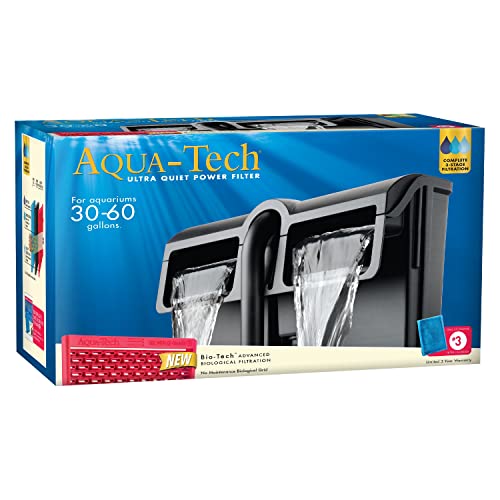
How Does Fish Species and Size Affect Your Tank Stocking Limits?
The size and species of your fish determine how many can safely be housed in your tank. Fancy goldfish, with their rounded bodies and slower swimming style, typically need about 20 gallons per fish initially, then an additional 10 gallons for each new fish. This allows their more compact shape to have enough space to thrive without stressing their health. In contrast, single-tail types such as comets and commons are more active and grow larger, requiring 20 to 40 gallons per individual to accommodate their movement and size.
Larger or high-waste fish produce more waste, which can affect water quality and increase the load on your filtration system. As a result, you should limit their numbers to prevent water parameters from becoming unsafe. Open swimming space is also crucial, especially for more active or larger species, to reduce stress and support natural behaviors. Always size your tank based on the adult size of your fish, not their juvenile size, to create a stable, healthy environment that supports their full growth potential. Proper fish population management can minimize issues related to waste buildup and ensure your aquatic environment stays stable and healthy. Additionally, maintaining optimal water conditions will help safeguard your fish’s health and longevity.
How Many Fancy Goldfish Can You Keep Safely?
Keeping 3 to 4 fancy goldfish in a 55-gallon tank is the ideal number for their health and comfort. Adult goldfish produce a significant amount of waste, and overstocking can lead to poor water quality, stress, and stunted growth. Limiting the number to this range ensures each fish has enough space to swim freely and reduces the risk of ammonia buildup and other water contaminants. Densely decorated tanks or feeder fish may seem tempting, but they can complicate water quality management, making it harder to maintain a stable environment. Remember, just because a tank can physically hold more fish doesn’t mean it’s healthy to do so. Keeping a conservative number like 3 to 4 goldfish promotes cleaner water, less stress, and overall better well-being for your fish. To ensure your tank remains healthy, regular algae management is essential to prevent the buildup that can harm your aquatic environment. Additionally, understanding the importance of maintaining proper tank conditions can help you achieve a balanced and thriving aquatic ecosystem. Proper filtration systems are vital for controlling waste and maintaining clear water in a healthy goldfish habitat.
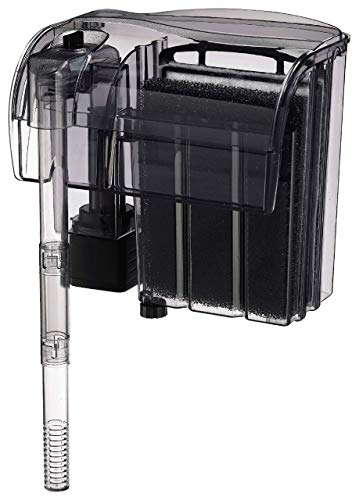
Stage one - mechanical: Advanced multi-layered polyfiber floss traps micro & macro organic particles and foreign debris

WITH ROTATING BIO-WHEEL: Patented Bio-Wheel technology provides excellent wet/dry biological filtration.

CRYSTAL CLEAR - Reducing the number of times the fish tank needs to be changed. Aquarium air pump, filtration, water pump, and water waves making all in one multi-functional underwater aquarium filter.
How Does Filtration Impact Stocking Capacity in Your Aquarium?
Filtration directly influences how many fish your aquarium can support by affecting waste processing capacity. An effective filtration system helps maintain water quality and supports a healthy biological load. Water flow ensures proper movement and oxygenation, which promotes beneficial bacteria growth and carries waste to the filter for processing. Chemical filtration, like activated carbon, removes toxins and further improves water quality, allowing you to stock more fish safely. Increasing the size or strength of your filtration system adds more surface area for nitrifying bacteria, which convert toxic ammonia into less harmful substances. Additionally, the filter maintenance routine plays a crucial role in sustaining filtration efficiency over time. The turnover rate—usually 4 to 6 times the tank volume per hour for general stocking and 6 to 10 times for goldfish—sets the practical limit on how many fish the aquarium can handle. Proper biological filtration supports the growth of beneficial bacteria, making it essential for maintaining a stable environment. Adjusting your filtration capacity can also help accommodate changes in your fish population, ensuring water quality remains optimal. If you upgrade your filter or media, waste management improves, but regular water changes remain essential to maintaining optimal water conditions. Balancing filtration capacity with proper maintenance ensures your aquarium can support a healthy, sustainable fish population.

PERFORMANCE – Max. Flow 225GPH (850L/H), Max lift 4ft (1.2m), Power 8.2W. This fish filter is ideal for fish tank size of 40-70 gallons(Choose the right filter for your tank). A filter can’t cover tanks of big differences in capacity (as claimed by some products online)! Follow our recommendations for your tank.
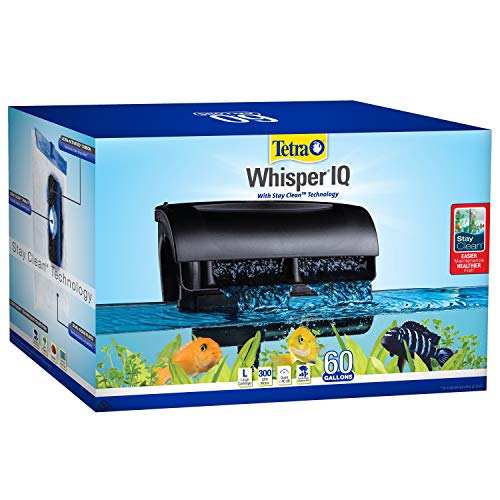
QUIET AQUARIUM FILTER: The Tetra Whisper IQ Power Filter with Stay Clean technology contains a sound shield for quiet filtration less than 40 dB.

FLUVAL 307 PERFORMANCE CANISTER FILTER: Designed for large freshwater and marine fish tanks up to 70 gallons, this advanced aquarium filter delivers exceptional water clarity and reliable daily performance
Why Does Adult Size Matter When Planning Your Stocking Levels?
Adult size matters when planning your stocking levels because it determines how much space each fish needs and how many can comfortably live together. Goldfish grow quickly, often reaching 6 to 8 inches in length, so estimating their adult size ensures you avoid overcrowding. Overestimating juvenile size can lead to understocking initially but may cause problems later as the fish grow. Larger adults produce more waste, which affects water quality, so providing enough space helps maintain a healthy environment. Additionally, mature goldfish require open swimming areas rather than cluttered tanks to reduce stress and encourage natural behaviors. growth patterns vary among individual fish, so observing your specific goldfish’s development can provide further guidance for planning. Recognizing growth rate differences is also important to ensure your tank setup remains appropriate as your goldfish mature. Being aware of proper tank capacity helps you determine the ideal number of goldfish for your setup and prevent potential issues. By considering adult dimensions from the start, you prevent the need for tank upgrades later and support your goldfish’s full-grown needs within your existing setup.
Are Common Goldfish Suitable for a 55-Gallon Tank?
A 55-gallon tank is generally not suitable as a long-term home for adult common goldfish. While juvenile goldfish can sometimes thrive temporarily in this size, adult specimens grow quickly and require significantly more space to swim comfortably. A mature goldfish can reach lengths of 8 to 12 inches and needs at least 70 to 75 gallons for a pair, with even more space recommended for groups. Keeping them in a smaller tank can cause poor water quality because waste accumulates faster, leading to elevated ammonia and nitrate levels. Regular testing of water parameters like pH, ammonia, and nitrate becomes crucial if you choose to keep goldfish in a 55-gallon tank. Ultimately, upgrading to a larger tank and providing ample swimming room is essential for their health, and adding plants can help improve water quality but doesn’t replace the need for space.
What Are the Risks of Overcrowding and How to Avoid It?
Overcrowding in a goldfish tank can lead to serious health issues for your fish. The primary risk is the buildup of toxic waste, especially ammonia, nitrite, and nitrate, which can occur even if the water appears clear. Excess waste stresses the fish and overwhelms biological filters, causing water quality to decline rapidly. To prevent this, maintaining a properly aged and conditioned water supply helps control the buildup of harmful substances. Poor water conditions combined with higher temperatures also reduce oxygen levels, leading to oxygen stress and increasing the risk of fish mortality. Additionally, dense populations demand more oxygen for respiration and can trigger aggressive behavior among fish. Overcrowding can stunt growth and cause health problems because fish struggle with insufficient space and deteriorating water quality. To keep these issues at bay, stick to stocking guidelines like one goldfish per 20 gallons of water, and regularly monitor water parameters. Upgrading filtration systems and performing small, frequent water changes help maintain a stable, healthy environment. Proper water management is essential to balance fish health and tank stability, especially in larger or densely populated tanks. water quality management plays a crucial role in preventing the accumulation of toxins that often result from overcrowding.

Starter Desktop Aquarium:Dimensions: 7.9"L × 5.9"W × 9.6"H.This small aquarium starter kit is easy to set up. It comes with a pump featuring adjustable flow rates and a button-controlled 3-color LED light.perfect for desktop decor at home or office to ease daily stress and create relaxing indoor ambiance, ideal starter habitat for bettas, shrimp and other small aquatic creatures

【DaToo Complete Starter Aquarium Kits】: This 1-gallon spherical aquarium set, with 8.27"Lx8.27"Wx7"H, is fully equipped with 1 *high-transparency PET tank, 1 *complete Filtration System, and 1 *full spectrum colorful LED lights. It is made of safe materials without BPA, odorless, and shock-resistant and break-proof. DaToo Aquarium Kits eliminates common challenges for beginners—like tricky setup and fragile glass tanks—making your fishkeeping journey hassle-free and worry-free.

Tips to Maximize Tank Space and Keep Your Goldfish Healthy
Using aquascaping techniques that emphasize open swimming areas is essential for maximizing your 55-gallon tank space and keeping your goldfish healthy. Keep decor minimal by choosing rounded ornaments and smooth rocks to prevent injuries and reduce obstructions. Prioritize functional arrangements over elaborate setups to ensure your goldfish have plenty of room to move freely. Proper filtration is also crucial in a larger tank, as it helps maintain water clarity and quality despite increased bioload. Adequate filtration systems play a vital role in supporting a healthy aquatic environment. Lighting plays a crucial role in creating a healthy environment. Use even, diffused lighting to improve visibility and promote natural behaviors without overstimulating or stressing your fish. Keep sight lines broad by avoiding dense plantings or decorations that goldfish might disturb or eat. Regular maintenance, including partial water changes and filter checks, helps maintain high water quality despite the larger space and reduced clutter. Additionally, choosing the right water conditioner salt helps ensure optimal water conditions and supports overall fish health. Understanding the importance of aquascaping principles can help you design a balanced and stimulating environment for your goldfish. With thoughtful aquascaping and a spacious footprint, you set the stage for a healthier, more active environment where your goldfish can thrive and swim comfortably.

For Freshwater or Saltwater tanks

WITH BIO-WHEEL TECHNOLOGY: BIO-Wheel technology provides wet/dry biological filtration.

Powerful 6-in-1 Performance: This submersible aquarium filter for 15–55 gallon tanks combines filtration, oxygenation, wave-making, debris collection, water circulation, and water change in one system. This whisper filter provides strong and steady water movement for clearer water and a healthier aquatic environment. Suitable for both freshwater and saltwater setups