
Keeping a saltwater aquarium can feel overwhelming at first, especially since it requires precise water chemistry and consistent upkeep.
The good news is, with some effort and proper knowledge, you can manage a healthy, thriving tank.
Find out how to navigate the challenges and make saltwater keeping a rewarding experience.
What Makes Maintaining a Saltwater Aquarium More Challenging Than Freshwater?
Maintaining a saltwater aquarium is more challenging than a freshwater setup mainly because it requires precise control of multiple water parameters. You must regularly monitor and adjust salinity, pH, alkalinity, calcium, and magnesium levels, all within narrow safe ranges. Unlike freshwater tanks that use conditioned tap water, saltwater systems need synthetic sea salt mixed with purified water, adding an extra layer of complexity. The consistency of these parameters is essential for preventing stress and disease in marine organisms. Many marine species, especially corals and invertebrates, are highly sensitive to small fluctuations in water chemistry. This sensitivity underscores the importance of employing accurate testing methods to detect shifts promptly. Properly balancing these factors is critical to prevent imbalances that can quickly develop. This often involves careful monitoring to catch problems early before they cause irreversible damage. Any imbalance can cause stress or die-offs, making consistent testing and adjustments crucial. Additionally, specialized equipment such as protein skimmers, high-quality lighting designed for photosynthetic corals, and automated dosing systems are often necessary to maintain stability. Equipment failures or improper maintenance can quickly destabilize the environment, so diligent monitoring and quick responses are essential for a healthy, thriving saltwater ecosystem.
How Much Time and Effort Do You Need to Maintain Your Saltwater Tank?
Once a week, set aside around 30 minutes for routine tasks such as cleaning the glass, testing water parameters like salinity, pH, and nitrate levels, and performing partial water changes—which typically take about 10% of the tank volume. Bigger or more heavily stocked tanks will require more time each week for these chores. Regular water testing helps ensure a stable environment and reduces the risk of issues developing unexpectedly. Monitoring and maintaining appropriate water parameters is essential for a healthy saltwater ecosystem. Establishing an effective filtration system also contributes to maintaining water quality and reduces the overall maintenance effort. Monthly maintenance involves deeper cleaning of equipment, inspecting live rock for algae or pests, and managing filtration systems. Your choice of live rock influences how often you need to perform cleanings. Well-organized routines and sticking to regular schedules can help keep maintenance straightforward and less time-consuming. Overall, the effort is manageable, but staying consistent ensures your tank remains healthy and thriving.

5-in-1 Master Test Kit: Monitor all 5 critical water parameters – pH, nitrite, nitrate, ammonia, and phosphate – in one comprehensive aquarium test kit. The rigorous analysis helps you maintain an ideal haven for your aquatic friends

𝗛𝗼𝗺𝗲 𝗔𝗾𝘂𝗮𝗿𝗶𝘂𝗺 𝗪𝗮𝘁𝗲𝗿 𝗧𝗲𝘀𝘁 𝗞𝗶𝘁 - Ensure the health of your fish with aquarium water testing kit & ammonia test strips for fish tank. This complete freshwater & saltwater tank test kit provides a reliable water tester for ammonia, pH, iron, chlorine, total hardness (GH), carbonate, nitrate, nitrite, total alkalinity, copper, and temperature, allowing you to have a complete understanding of your aquarium water quality. Trusted by fish enthusiasts, it adapts to your needs, making it an essential tool for aquarium care.
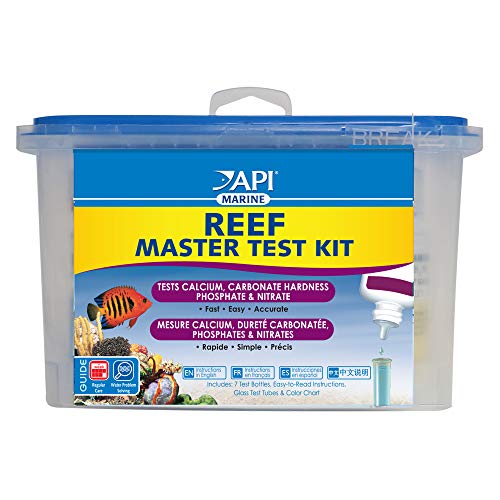
Contains one (1) API REEF MASTER TEST KIT Reef Aquarium Water Test Kit 1-Count, including 7 bottle of testing solution, 2 color cards and 4 test tubes with cap
What Are the Essential Maintenance Tasks to Keep a Saltwater Aquarium Healthy?
Regular algae control is crucial for maintaining a healthy saltwater aquarium. You should scrape or use a magnet cleaner on the glass weekly to prevent algae buildup on the viewing surface. Additionally, remove algae from rocks, decorations, and substrate during cleaning sessions to keep water clear and prevent overgrowth. Consistent algae management helps stabilize water quality and reduces the risk of nuisance algae overtaking corals and livestock. Monitoring nutrient levels such as nitrates and phosphates is vital, as balanced nutrient levels help prevent algae outbreaks and promote a healthy environment for your aquatic life. Incorporating proper aquascaping techniques can also help distribute lighting and flow evenly, reducing areas prone to algae accumulation. Maintaining awareness of water parameters is essential for early detection of imbalances that could lead to algae issues.
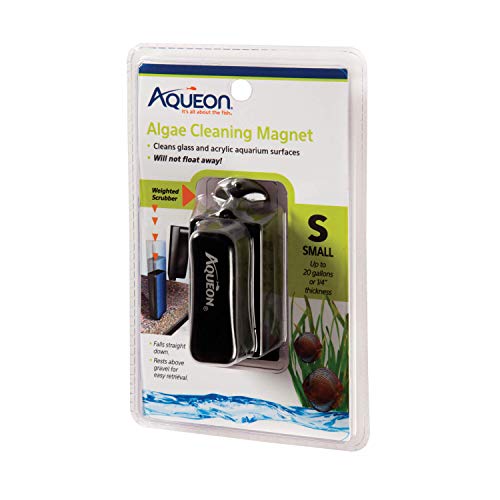
Magnetic aquarium glass cleaner makes it easy to clean the inside of the aquariums from the outside

hygger 6-in-1 cleaning tool kit helps to keep tank neat and clean without getting hands wet. Made to last long time and makes cleaning the tank a breeze
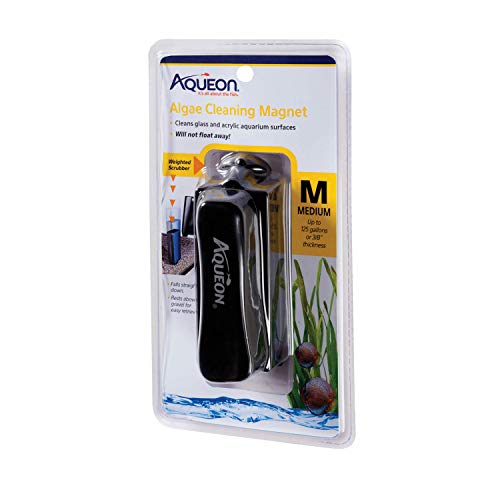
Magnetic aquarium glass cleaner makes it easy to clean the inside of the aquariums from the outside
Which Equipment Do You Need for a Stable Saltwater Aquarium?
A suitable tank, stand, and cover are essential for maintaining stability in your saltwater aquarium. Choose a tank size that matches your available space and the type of marine life you plan to keep; larger tanks, such as 60 gallons or more, tend to help buffer against temperature and salinity swings. The stand must support the tank’s weight securely to prevent accidents, especially with heavy tanks filled with water and live rock. Position your tank away from direct sunlight and temperature fluctuations to maintain consistent conditions. The cover helps reduce evaporation and prevents fish or invertebrates from jumping out. Compatibility between the tank, stand, and cover ensures safety and stability. Proper setup of these elements provides a solid foundation for all other equipment to function effectively. Proper placement within a room can further limit environmental stressors that impact water quality and animal health. Ensuring proper equipment compatibility reduces the risk of leaks, malfunctions, and water parameter fluctuations, which are critical for a healthy marine ecosystem. Additionally, selecting equipment designed for saltwater tanks helps maintain long-term system stability and reduces the need for frequent repairs or replacements. Regular monitoring and maintenance further support the overall aquarium health and help you catch potential issues early.

【Product size】aquarium fish tank cover board kit includes 4pcs of 11.6 Inch x 11.6 Inch aquarium cover top boards with 0.35Inch hole and 6pcs aquarium cover board lid clips

DIY Magnetic aquarium anti-jumping net cover mesh hood contains:6.56 feet long adhesive-backed magnetic strip,6.56 feet long grooved magnetic strip,6.56 feet long plastic strip,4 units fish tank corner buckle and 4.9 feet length X 2.46 feet width size aquarium cover net.
DIY Magnetic aquarium anti-jumping net cover mesh contains:13.12 feet long adhesive-backed magnetic strip,13.12 feet long grooved magnetic strip,13.12 feet long plastic strip,4 units fish tank corner buckle and 4.92 feet length X 3.28 feet width size aquarium cover net.
Why Is Water Chemistry So Critical for Saltwater Fish and Corals?
Water chemistry must be precisely maintained because saltwater fish and corals are extremely sensitive to their environment’s chemical balance. Even small fluctuations can stress or harm your marine creatures. Salinity levels, measured by specific gravity, should stay consistent around 1.024 to 1.026. Sudden shifts can negatively impact coral health and fish well-being. Maintaining a stable pH between 7.8 and 8.4 is essential for enzyme function, respiration, and calcification processes. Rapid pH changes are particularly dangerous and should be avoided. Monitoring key parameters is crucial to detect and correct imbalances early. Controlling ammonia and nitrite levels at zero and nitrate levels below 20 ppm is critical for water quality and coral vitality. Elevated ammonia or nitrite can quickly become toxic, while excess nitrate can lead to algae overgrowth and stress. Additionally, stable alkalinity, calcium, and magnesium levels support coral skeleton growth and overall reef stability. Regular testing and adjustments help prevent chemical imbalances from harming your tank’s inhabitants. Maintaining optimal water stability ensures your saltwater environment remains healthy and thriving.
How Do Water Changes and Testing Help Keep Your Aquarium Stable?
Regular water changes are vital for maintaining stability in your aquarium. They effectively dilute accumulated nitrates, phosphates, dissolved organics, and trace contaminants that filtration alone might not fully remove. Changing 15% to 25% of the water regularly based on your system’s needs helps control nutrient levels and prevents algae overgrowth. These water changes also refresh depleted elements like calcium and magnesium, which are essential for the health of corals and fish. Properly testing water parameters during these changes ensures you’re accurately assessing the tank’s condition. Water changes are particularly important when nutrient levels like nitrates exceed recommended thresholds, as this helps restore balance quickly. Before adding new saltwater, always verify that it matches your tank’s current salinity, temperature, and pH levels. This consistency supports salinity stability and reduces stress for your aquatic inhabitants. Testing your water before and after each change allows you to monitor key parameters such as nitrate levels and salinity. Additionally, proper testing techniques are crucial for accurate measurements and maintaining a healthy environment. Keeping a close eye on these helps ensure your aquarium remains balanced and stable over time, promoting healthier and more resilient marine life. Maintaining consistent water quality also minimizes the risk of disease and stress among your aquatic species.
Is a Saltwater Aquarium Expensive to Keep, and How Can Beginners Save Costs?
A saltwater aquarium can be expensive to keep initially, but costs can be managed with careful planning. Setting up a small tank, around 40 gallons, typically costs about $1,000. This includes the tank, stand, filtration, lighting, and initial saltwater supplies. Larger tanks or higher-quality equipment can significantly increase the setup costs, sometimes exceeding $3,000. To save money, buyers often opt for used gear, choose smaller systems, and select basic, less expensive equipment. Monthly expenses like electricity, salt mix, and food usually range from $50 to $100. These costs can be reduced further by limiting lighting hours and turning off equipment when not needed. Creating a detailed budget before purchasing helps prevent overspending and makes maintaining a saltwater aquarium more affordable for beginners. Additionally, understanding the ongoing monthly costs, such as water changes, testing, and maintenance, can help hobbyists plan their budgets more effectively. Being aware of initial investment considerations can also help manage expectations and avoid surprises.

Product Scope : designed for filtration in s saltwater aquariums, can be customization of space for protein skimmer, media reactor, refugium and other equipment.
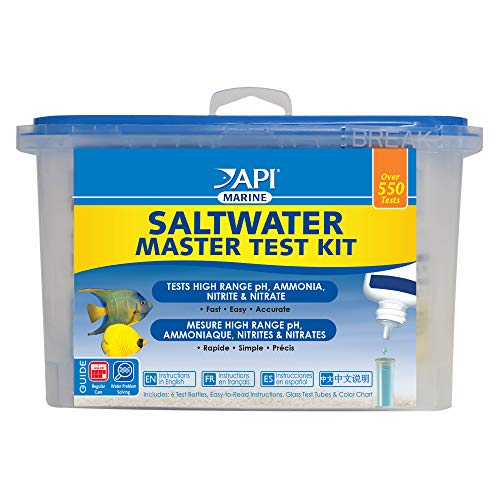
Contains one (1) API SALTWATER MASTER TEST KIT 550-Test Saltwater Aquarium Water Test Kit, including 6 bottles of testing solution, 1 color card and 4 test tubes with cap

Product Scope : designed for filtration in s saltwater aquariums, can be customization of space for protein skimmer, media reactor, refugium and other equipment.
What Common Challenges Do Beginners Face, and How Can You Overcome Them?
Beginners often face several common challenges that can compromise the health of their saltwater tanks, but understanding and addressing them can make a big difference. One of the most frequent mistakes is neglecting regular water testing. Failing to monitor salinity, pH, ammonia, nitrites, and nitrates can lead to toxic spikes that stress your fish and cause fatalities. Testing should be done weekly using reliable test kits to catch imbalances early. Accurate testing methods are essential for maintaining proper tank conditions and preventing slow declines in water quality. Poor nutrient management is another pitfalls—overfeeding or excess nutrients can trigger algae blooms and red slime. Regular water changes, ideally about 10-15% weekly, help keep nutrient levels in check and prevent these issues. Lighting mismanagement also plays a role: using lights with incorrect intensity or spectrum can promote unwanted algae growth and hinder coral health. Choose appropriate lighting systems and adjust their duration to mimic natural conditions. Inappropriate livestock choices or rushing the introduction process can shock new inhabitants, making them more vulnerable to disease. Research each species’ compatibility, and add new fish gradually—one every few weeks—to allow the tank environment to stabilize. Equipment failure often occurs from neglected maintenance; filters, heaters, and pumps should be checked regularly and cleaned as needed to keep your system running smoothly. To overcome these challenges, stay consistent with water testing, perform regular maintenance, research species thoroughly, and introduce new livestock slowly. Patience and continuous learning are essential for building a healthy, thriving saltwater aquarium.

Professional Quality Testing Kit: The AAwipes Aquarium test kit (50 strips) is developed by experts for fish enthusiasts. It offers 8-in-1 testing capabilities, made with high-quality fiber paper and non-bleeding colors. The kit measures key parameters like Free Chlorine, Nitrate, Nitrite, Hardness, Sodium Chloride, Total Alkalinity, pH and Ammonia nitrogen. By identifying potential issues, our fish tank testing kit helps prevent hidden water problems and ensures the safety and well-being of your fish.

API 5-IN-1 TEST STRIPS – Checks the levels of pH, nitrite, nitrate, carbonate & general hardness in your aquarium water.

[DIGITAL AQUARIUM WATER TEST KIT – APP-ENABLED 10-IN-1 FRESHWATER & SALTWATER FISH TANK TEST KIT]: Test aquarium water with this all-in-one digital aquarium water test kit, fish tank test kit, and freshwater aquarium test kit. Measure ammonia, nitrate, nitrite, pH, GH, KH, chlorine, and more for freshwater aquariums, saltwater aquariums, reef tanks, shrimp tanks, and fish tanks. Scan each aquarium test strip with the DROPLYTIX app for fast digital results without comparing colors to printed charts.