
Wondering if your leopard gecko needs UVB light? While they are mostly nocturnal, providing UVB can help them produce vitamin D3, which is crucial for absorbing calcium and keeping their bones healthy.
Proper placement and exposure are key to avoiding risks like burns or eye issues. Keep reading to learn how to safely incorporate UVB lighting into your gecko’s habitat.
What Do Leopard Geckos Need in Their Environment?
Leopard geckos need a minimum enclosure size of 20 gallons for an adult, with dimensions around 20 inches by 12 inches by 12 inches or larger. This space provides enough room for them to move comfortably and establish distinct areas for activity, hiding, and thermoregulation. The habitat should be well-ventilated to prevent moisture buildup and mold growth. Create temperature gradients within the enclosure: set the warm side around 85 to 92 degrees Fahrenheit and the cool side around 70 to 80 degrees. This allows your gecko to regulate its body temperature by moving between temperature zones. Include hides on both ends—preferably one dry hide and one humidity hide with moist substrate—to support their natural behaviors and shedding process. Adding enclosure decorations like caves, branches, and plants enriches their environment, encouraging natural exploration and reducing stress. Proper lighting, including a low-wattage UVB light, is also important for overall health, especially for vitamin D3 synthesis. Regular habitat maintenance and cleaning are crucial to prevent bacterial growth and keep your gecko healthy. Ensuring proper UVB exposure supports their health and helps prevent deficiencies. Avoid cluttering the habitat to prevent accidents and promote easy cleaning. Place the enclosure in a stable environment away from direct sunlight, drafts, and loud noises, ensuring consistent conditions that help your leopard gecko thrive.

Unlike reptile carpet, reptile tank liner is easy to spot clean and fully clean. This reptile substrate is a great low-maintenance option to maintain a clean and convenient environment

【Superior Insulation】: Compared to glass and wooden reptile tank, premium PVC Reptile Tank offer excellent insulation and temperature regulation, effectively maintaining a stable internal temperature. Ideal for reptiles that require a consistent climate, such as geckos, lizards, bearded dragons, ball pythons, and blue-tongued skinks.

Premium & Durable Construction: Featuring tempered glass on all four sides and aluminum alloy frame, iron mesh top, this terrarium delivers exceptional durability. Provides crystal-clear, uninterrupted viewing from every angle – an essential component for reptile habitat
Why Do Some Experts Recommend UVB for Leopard Geckos?
Many experts recommend UVB for leopard geckos because it is essential for their overall health. UVB exposure enables their bodies to produce vitamin D3 through skin contact, which is critical for calcium absorption and strong bone development. Without adequate UVB, geckos become more prone to metabolic bone disease and calcium deficiencies, even if they are receiving dietary supplements. Low-dose UVB lighting increases circulating vitamin D3 levels, providing a natural way to support their calcium metabolism. Additionally, proper UVB lighting encourages natural behaviors, such as basking and exploring, which are vital for their mental and physical health. These activities promote mental stimulation and physical activity, leading to healthier and more active geckos. Many keepers advocate providing UVB lighting because it closely mimics natural conditions, helping captive animals thrive as they would in the wild. While some caretakers rely solely on supplements and gut-loading to meet their geckos’ nutritional needs, UVB offers a reliable safeguard. It reduces the risk of errors in supplement dosing and improves overall health by supporting natural vitamin D3 production. Moreover, UVB exposure can also help prevent behavioral issues, which are common in habitats lacking proper lighting. Proper UVB exposure is a key component of a balanced husbandry routine that enhances both welfare and longevity.
How Much UVB Do Leopard Geckos Require?
Leopard geckos require a UVB dose that provides a UVI between 0.5 and 1.5 for wild-type and pigmented morphs, and around 0.5 to 0.7 for albino or more sensitive morphs. They should be exposed to UVB light for about 10 to 12 hours each day to mimic natural sunlight. During the summer months, this duration can be extended to up to 14 hours if desired. Proper UVB exposure is essential for stimulating vitamin D3 production and promoting healthy behavior. Keep in mind that the UVB intensity decreases as the distance from the bulb increases, so adjusting the placement or strength of the bulb is crucial. Regularly measuring the UVI with a suitable meter ensures the light stays within the optimal range and supports your gecko’s health without risking sunburn or stress. Monitoring water parameters is also vital for creating a stable environment that promotes overall health. Understanding the UVB light requirements helps in selecting the appropriate bulb and setup for your gecko’s well-being. Additionally, maintaining the correct light cycle ensures your gecko receives the proper amount of UVB exposure for optimal health.
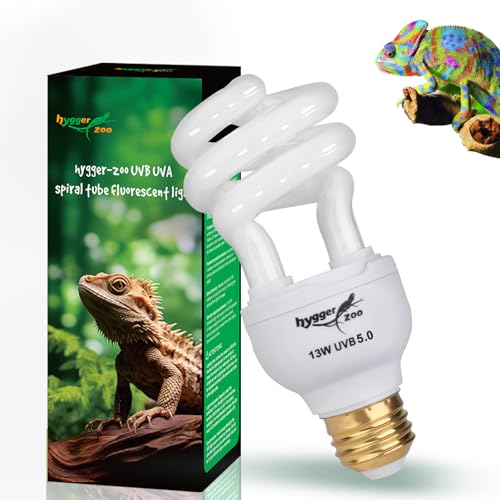
💡💡Higher UVB Output Value. The UVB light has shown higher UVB output in experiment test, which can provide more UVB for your reptiles’ growth, and promote the synthesis of vitamin D3 in your reptiles’ body. And the UVA UVB reptile light bulb also can help promote the absorption of calcium and phosphorus, to promote reproductive behavior and boost immunity.

5. 0 UVB is perfect for all tropical and temperate reptiles and amphibians

ENERGY SAVING UVA UVB BULB - The UVB reptile light saves electricity-perfect condenser with brilliant brightness, saves a lot of power,5% UVB and 30% UVA output.
Where and How Should You Place UVB Lights in the Enclosure?
Place UVB lights on the warm side of the enclosure, mounted horizontally overhead, and positioned as high as recommended. Typically, this means mounting the fixture 6 to 12 inches above the basking surface, depending on the bulb type and manufacturer instructions. This setup ensures the UVB and heat overlap in the basking zone, which promotes natural behavior and habitat enrichment. Cover about one-third to half of the enclosure length with the UVB light to create a partial light zone, allowing your gecko to leave UV exposure if desired.
For broader coverage, use linear tube fixtures, which provide a wider light gradient. Avoid placing the bulb on the floor or inside decor, as this blocks UVB exposure and reduces its effectiveness. Remember that mesh screens and barriers can block UVB radiation, so adjust your positioning accordingly. Regularly measure the distance from the UVB bulb to the basking surface to keep it within the optimal range for your specific bulb, ensuring your gecko gets the correct exposure and the enclosure maintains a natural look.

Enhances UVB & Light Reflection: The reptile light fixture focuses the light emitted by the bulb, ensuring even distribution across the entire illumination area. The polished interior surface greatly enhances light reflection, minimizing losses of both light and UVB. This reflective effect optimizes the efficiency of the light source, promoting the health and growth of reptiles

Dual lamp cap integration design, each can bear Max 150W(suit for Reptile ceramic heat lamp, UVB UVA basking spot lamp, UVB lamp, daylight lamp, nightlight lamp, Infrared Spot Lamp, and so on)
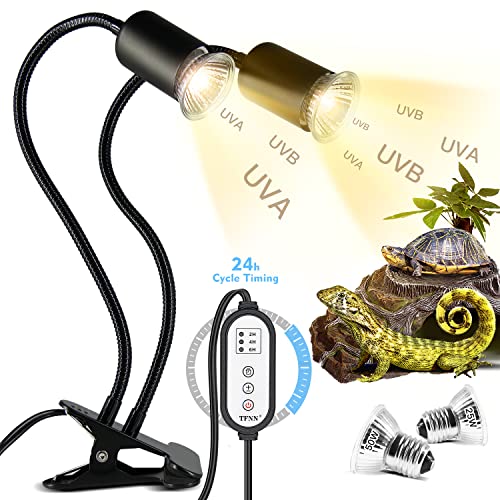
Intelligent Design:Reptile heat lamp with intelligent cycle timing design, once set to turn on/off automatically, every 24 hours at the same time to turn on the light, automatic cycle, no need to turn off manually every day, convenient and time saving. The glass tube extends the life of the bulb, simulates the solar spectrum, increases temperature, replenishes calcium and provides more direct sunlight and higher UV radiation.
What Is the Best UVB Lighting Schedule for Your Gecko?
A UVB lighting schedule of 10 to 12 hours per day is ideal for your gecko. This duration closely replicates their natural daylight exposure, supporting their vitamin D3 synthesis and overall health. Using a timer helps maintain a consistent photoperiod, which is crucial because stability reduces stress and encourages natural behaviors. In warmer months, your gecko benefits from a slightly longer period—around 14 hours of light with 10 hours of darkness—to mimic peak daylight hours. During cooler months, a 12/12 schedule works well, providing a balanced cycle that supports their natural rhythm.
Align the UVB lights with the enclosure temperature and natural light patterns, turning them off before sunset and on after sunrise. This consistency prevents disruptions in their circadian rhythm, which is key for activity, digestion, and overall well-being. Adjustments over a few weeks can help transition between seasonal schedules smoothly, ensuring your gecko remains comfortable and healthy year-round.

【Newly Upgraded Bell-Mouth Design】 :This newly upgraded heating lamp with a TFNN bell-mouth design provides a wider range of UVA/B ultraviolet rays compared to the design of ordinary models. It can simultaneously heat and illuminate multiple reptiles. The light is adjustable, making it suitable for different seasons and various reptiles, and it is extremely convenient to use.
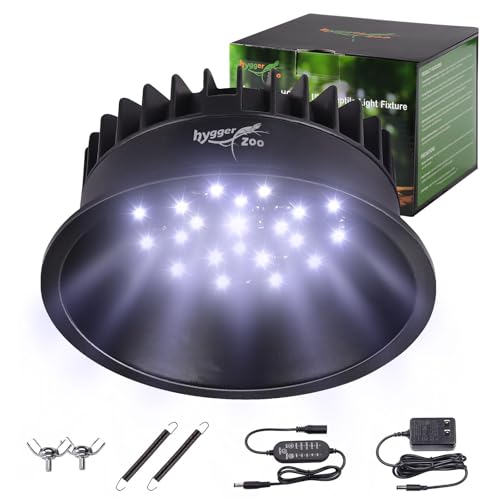
🌞🌞Higher UVB Output Value. Hygger zoo UVB reptile light has higher UVB output, to promote reptiles’ vitamin D3 synthesis and help them grow better. And the UVB light also can help promote the absorption of their calcium and phosphorus, improve their reproductive behavior and boost their immunity.

Separate Control of UVB & Visible Light: Independent control of UVB/UVA and visible light brightness, visible light output stays constant while UVB is calibrated for different reptiles
Are There Risks of Too Much UVB for Leopard Geckos?
Excessive UVB exposure can seriously harm your leopard gecko. If the UVB light is placed too close or if the bulb is too powerful, your gecko risks overexposure. Overexposure can lead to eye injuries like photokeratitis or kerato-conjunctivitis, which cause redness, swelling, or irritation. Skin burns are also possible if the UVB intensity is too high or if the light is positioned inaccurately, creating hot spots on the skin. Using the wrong type of lamp, such as one with too high UVB output or an incompatible fixture, further raises these risks. To avoid this, regularly measure the UVB levels using a UVI meter, maintain recommended distances between the lamp and your gecko, and follow the manufacturer’s guidelines. Proper placement and monitoring ensure your leopard gecko remains healthy and comfortable without the dangers of overexposure. Ensuring proper UVB levels is essential for your gecko’s overall health and can prevent potential health issues. Additionally, understanding the UVB exposure limits is crucial for providing a safe environment for your pet. Being aware of UVB measurement tools can also help you accurately assess and adjust the lighting setup.
Do Different Morphs or Pigmentation Types Need Special UVB Care?
Different pigmentation or morphs require tailored UVB levels to prevent tissue damage. Heavily pigmented wild type leopard geckos can tolerate a basking UVI between 0.5 and 1.5 without harm. Albino and low-pigment morphs are more sensitive to UVB, needing a lower UVI around 0.5 to 0.7 to avoid burns. Using the correct UVB bulb wattage is crucial: albino geckos often benefit from 2.4% bulbs placed at standard enclosure heights, while high-pigment morphs can safely use 5% to 7% bulbs. Always verify UV Index measurements with a reliable meter to ensure your gecko does not overexpose to UVB, as its pigmentation directly influences the safe level of UVB exposure and skin health. Understanding UVB tolerance is essential for maintaining your leopard gecko’s overall health and well-being. Additionally, UVB exposure can impact the long-term health of different morphs, making proper lighting setup even more critical for their wellbeing. Proper lighting setup includes not only UVB levels but also the correct spectrum and timing to mimic natural conditions.
Should You Use UVB or Not? Pros and Cons Explained
Providing UVB lighting for your leopard gecko is optional but can offer notable health benefits. UVB exposure supports vitamin D3 production in your gecko’s skin, which is essential for calcium absorption. This process helps prevent metabolic bone disease, a common issue in captive reptiles lacking proper UVB access. UVB can also encourage natural behaviors such as increased activity and feeding, making their environment feel more like their natural habitat. Additionally, ensuring proper UVB exposure involves understanding finding the right filter and setup to prevent potential harm. Proper setup includes selecting appropriate UVB lighting options, such as best UVB lights for reptiles, to make sure your gecko receives effective and safe exposure. However, UVB can cause skin and eye damage if used improperly. Placing the UVB source too close or leaving it on for too long increases the risk of harm. To maximize benefits and avoid potential issues, you should set up shaded areas, provide a gradual exposure gradient, and monitor your gecko’s response closely. Proper setup and moderation are key to safely incorporating UVB lighting into your husbandry routine.

Hygger zoo UVB LED light for reptiles promotes the synthesis of vitamin D3, which helps reptiles to maintain stable blood calcium levels and supports the development of bones and teeth while preventing common health issues like metabolic bone disease and muscle cramps. UVA and FR LEDs enhance reptiles activity, appetite, and reproduction.Suitable for chameleons, bearded dragons, turtles, lizard, gecko, snakes, or other amphibians.

Low Degradation & Longer-Lasting UVB Radiation - LUCKY HERP 23W UVB 10.0 reptile light bulb is continuously updated with technology to ensure low degradation of UVB radiation, providing long-lasting and stable UVB output. This continuous and stable UVB radiation is crucial for the health of reptile pets. Our UVB light bulb can provide your pet with longer-lasting UVB exposure, with a UVB lifespan of up to 1 year, reducing the need for frequent bulb replacements.
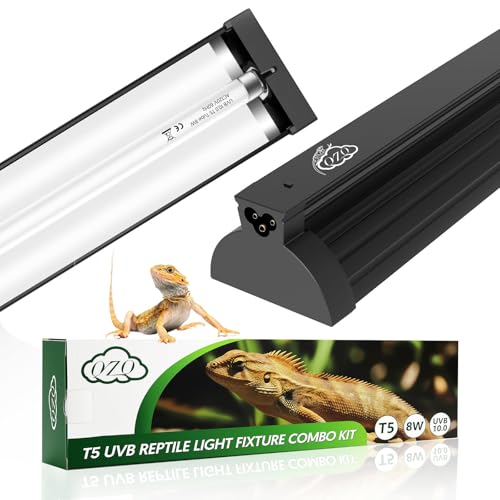
T5 UVB Reptile Light Fixture Combo Kit: The QZQ T5 UVB reptile light features a 5.9ft detachable power cord, a convenient on/off switch, and multiple mounting accessories for easy installation. Whether you're setting up a reptile tank or terrarium, this reptile light fixture meets your reptile lighting needs, providing your pets with the perfect 10.0 UVB lighting environment for healthy growth
FAQs: Common Questions About UVB and Leopard Geckos
Leopard geckos do not require UVB lighting to survive because they are primarily nocturnal and naturally produce less vitamin D3. However, providing UVB can significantly benefit their calcium absorption and overall health. UVB should be placed over the warm side of the enclosure to create a gradient from light to shade, mimicking natural conditions. Materials like mesh or glass can be used for barriers to prevent UVB from being blocked, as some substrates or enclosure covers may interfere with UVB exposure. UVB bulbs need to be replaced once a year to maintain effectiveness, and using a timer ensures they are on during the day and off at night, aligning with natural circadian rhythms. Be especially cautious with less-pigmented morphs such as albino leopard geckos, as they are more sensitive to UVB and can develop skin or eye problems more easily. Maintaining proper enclosure hygiene and providing calcium supplements are essential, even when UVB is used, to support your gecko’s health. Additionally, understanding the effects of UVB exposure can help you make informed decisions about your gecko’s lighting needs. It’s also important to recognize that proper UVB coverage helps prevent potential health issues related to insufficient lighting.