If your aquarium plants are turning brown, you’re probably wondering why they’re losing their vibrant color. Often, this happens because of poor water quality, insufficient light, or missing nutrients.
Understanding these common causes can help you revive your plants and keep your tank healthy.
Keep reading for simple solutions to bring back the lush, green growth you want.
What Causes Aquarium Plants to Turn Brown? Key Factors Explained
Aquarium plants turn brown primarily due to unfavorable environmental conditions and nutrient imbalances. One common cause is algae competition, which can obstruct light and drain essential nutrients from your plants, resulting in browning leaves. Natural aging also contributes; as plants reach the end of their life cycle, their tissues naturally deteriorate and turn brown. Poor water quality significantly impacts plant health; elevated levels of ammonia, nitrites, nitrates, or excess phosphates can damage plant tissues and cause browning. Maintaining optimal water parameters is essential for healthy plant growth. Organic waste buildup from decaying leaves or overfeeding worsens water conditions, increasing waste loads that stress your plants. Additionally, insufficient circulation and clogged filters reduce the flow of nutrients and carbon dioxide, which are vital for healthy plant growth. Proper water circulation and filtration are crucial for sustaining a healthy aquatic environment. Regular testing and adjustment of water parameters support plant health and prevent deficiencies that can lead to browning. Proper water movement helps ensure nutrients and oxygen reach all areas of the aquarium, promoting overall plant vitality.

SUPPLEMENT: Seachem Flourish is a comprehensive plant supplement for the natural freshwater aquarium, containing a rich assortment of important micro elements, trace elements and other nutrients.
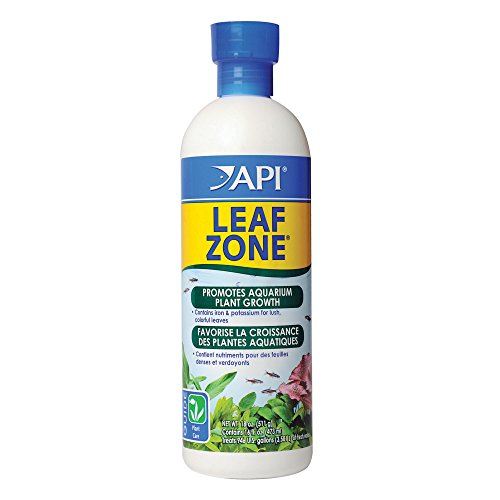
Contains one (1) API LEAF ZONE Freshwater Aquarium Plant Fertilizer 16-Ounce Bottle

ALL-IN-ONE COMPREHENSIVE PLANT FOOD Crystalpro Flora Multi Minerals is an advanced liquid supplement formulated strictly for the vibrant coloration and vigorous growth of freshwater aquarium plants. It delivers every essential nutrient your planted tank needs to thrive in a single, easy-to-use bottle.
How Does Insufficient Light Make Your Plants Brown: and How Can You Fix It?
Insufficient light causes your plants to turn brown because they cannot perform enough photosynthesis to produce the chlorophyll needed for healthy green coloration. Light with a spectrum below 5,000 Kelvin and an intensity under 20 lumens per liter fails to provide the red and blue wavelengths essential for chlorophyll synthesis. As a result, plants become weak, develop brown or yellowish patches, and overall health declines. To correct this, use high-intensity discharge lamps that emit a full spectrum resembling natural sunlight, ensuring your plants receive the necessary wavelengths. Additionally, providing consistent lighting for 8 to 9 hours daily through timers helps maintain a stable environment. Proper lighting supports optimal photosynthesis, keeps your plants vibrant and green, and prevents the browning caused by insufficient light. Understanding the importance of full spectrum lighting can make a significant difference in maintaining healthy aquarium plants.
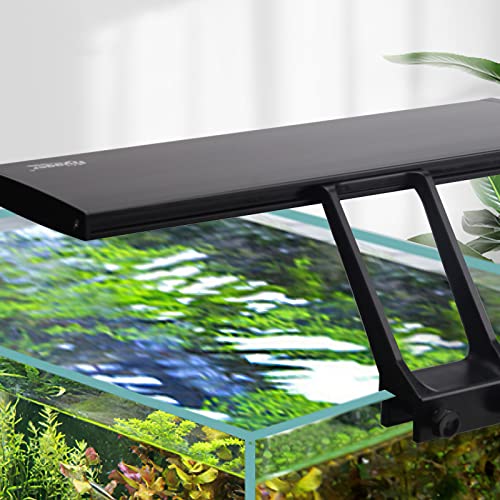
DEFAULT MODE(24/7 Natural Mode): Gradient Orange light (sunrise) from 6am to about 8am; Gradient White light from about 8am to 10:00pm/22:00; Gradient Blue light (moonlight) from about 10:00pm/22:00 to 10:50pm/22:50; The 24/7 lighting aquarium lights are off in other time periods. The overall default time period can be delayed or advanced

Work best on 10 gallon tanks with 20 inches long for better coverage; with two extendable brackets, this light also fits for fish tank from18 inch to 24 inch long
Work best on 2.5 gallon tanks with 12 inches long; with two extendable brackets, this light also fits for fish tank from11 inch to 14 inch long
Which Nutrient Deficiencies Lead to Browning, and How Do You Correct Them?
Nutrient deficiencies that cause browning in aquarium plants include deficiencies in nitrogen, potassium, magnesium, and iron. These deficiencies disrupt normal plant metabolism and pigmentation, leading to visible browning or yellowing of leaves. Nitrogen deficiency often begins with older leaves turning yellow and eventually browning as the plant’s growth slows down. Potassium shortage causes browning on the leaf edges, especially in mature leaves, along with marginal necrosis. Magnesium deficiency results in interveinal chlorosis, where the tissue between veins turns yellow while veins remain green. Iron deficiency affects young leaves first, causing pale coloration and a loss of vibrant red or purple hues in affected plants. Proper nutrient balance is essential for preventing these issues and ensuring healthy plant development. Regular water testing can help you detect nutrient imbalances early, enabling you to make targeted corrections before visible damage occurs. Additionally, deficiencies can be exacerbated by improper water parameters, so maintaining stable conditions is crucial. To correct these deficiencies, you should dose targeted supplements based on the specific nutrient lacking in your water. For nitrogen and potassium, use fertilizer formulas that supply these macronutrients in appropriate amounts, following recommended dosing schedules. Magnesium can be replenished with magnesium sulfate, usually dosed weekly or biweekly. Iron deficiencies are best treated with chelated iron supplements, which are absorbed efficiently. Regular water testing helps you monitor nutrient levels and avoid over- or under-fertilization. Maintaining a consistent fertilization routine and addressing deficiencies promptly support healthy, green growth while preventing browning caused by nutrient shortages.

Contains one (1) API ROOT TABS Freshwater Aquarium Plant Fertilizer 0. 4-Ounce 10-Count Box

All in one micro-nutrient, iron enriched formula promotes vigorous growth, deep colors and a strong root system

Product Type: ARTIFICIAL PLANT
What Water Quality Issues Harm Aquarium Plants, and How Can You Improve Conditions?
Poor water quality can severely harm your aquarium plants. It can cause browning, stunt growth, or kill the plants altogether. Elevated ammonia or nitrite levels, often from excess food or waste, are toxic to plants and require immediate water changes and better filtration. Nitrate and phosphate buildup encourage algae growth, which blocks light absorption and damages plant surfaces. Maintaining stable water temperature and pH is crucial; sudden shifts or incorrect pH levels can stress plants and slow their growth. Keep the water temperature between 22 and 28°C and ensure pH remains within the optimal range for your specific plants. Regular testing, consistent water changes, and proper filtration are essential tools to keep water conditions ideal, helping your plants stay vibrant and healthy without developing brown patches caused by poor water quality. Water chemistry factors play a significant role in plant health and can lead to discoloration if not properly managed. Additionally, utilizing appropriate water testing kits can help you monitor these parameters more accurately. For optimal plant growth, balanced nutrient levels should also be maintained to prevent deficiencies or excesses that can affect color and vitality.

Professional Quality Testing Kit: The AAwipes Aquarium test kit (50 strips) is developed by experts for fish enthusiasts. It offers 8-in-1 testing capabilities, made with high-quality fiber paper and non-bleeding colors. The kit measures key parameters like Free Chlorine, Nitrate, Nitrite, Hardness, Sodium Chloride, Total Alkalinity, pH and Ammonia nitrogen. By identifying potential issues, our fish tank testing kit helps prevent hidden water problems and ensures the safety and well-being of your fish.

Professional Quality Testing Kit: The AAwipes Aquarium test kit (100 strips) is developed by experts for fish enthusiasts. It offers 8-in-1 testing capabilities, made with high-quality fiber paper and non-bleeding colors. The kit measures key parameters like Free Chlorine, Nitrate, Nitrite, Hardness, Sodium Chloride, Total Alkalinity, pH and Ammonia nitrogen.

Easy to Use Aquarium Test Kit Strips:This fish aquarium test strips make aquarium water testing effortless. Dip the strips, wait a few seconds, and compare the colors for precise results. Easy and accurate for all fish pet keepers
Why Is CO2 Important for Your Plants, and How Do You Maintain the Right Level?
CO2 levels should be maintained between 15 and 25 ppm to ensure optimal plant growth and health. This range provides the carbon necessary for efficient photosynthesis, resulting in lush, vibrant foliage. Too low CO2 causes plants to stunt, their colors to fade, and growth to slow, which can give algae an opportunity to take over. Conversely, excessive CO2 can lead to dangerous pH swings and stressing your aquatic life. To achieve and sustain this balance, use pressurized CO2 systems equipped with a diffuser to disperse gas evenly. Monitor CO2 levels using a drop checker or pH/KH charts, adjusting flow as needed. Keep CO2 steady during the photoperiod, ideally increasing it just before lights turn on and maintaining it consistently. Regularly checking and adjusting your system ensures your plants remain vigorous and colorful while preventing algae from gaining the upper hand. Proper CO2 management is crucial for maintaining a stable, thriving environment where your plants can flourish. Additionally, consistent water parameters, including stable pH and KH, support the overall stability of your aquarium ecosystem and enhance plant health.

【MIni Glass CO2 diffuser】Ideal for small tanks. Suitable for pressurized CO2 supplying systems. High-quality glass material ensures transparency and durability.
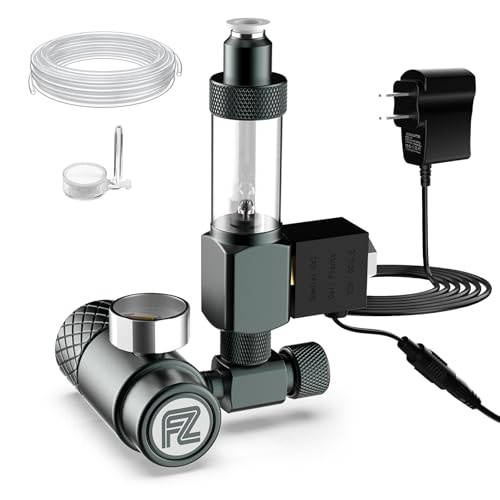
Compact Aesthetic Design:This CO₂ regulator aquarium integrates the solenoid and bubble counter into one sleek unit. Its small footprint keeps your aquarium setup clean and minimal — perfect for small and mid-size planted tanks.Compatible with nearly all CO₂ regulator types.

Counter for planted aquariums
How Regular Maintenance and Stress Management Keep Your Aquarium Plants Healthy
Regular maintenance and stress management are essential for keeping your aquarium plants healthy and vigorous. Algae control is a key aspect; regularly scraping algae from the glass and hardscape prevents light blockage and encourages proper photosynthesis. Cleaning glass covers enhances light penetration, supporting plant growth. Trimming plants removes dead or damaged leaves, which can decay and shade healthy foliage. Fast-growing stems should be pruned frequently to maintain proper airflow and prevent overcrowding. Additionally, maintaining proper light intensity and duration encourages healthy growth and reduces stress on the plants. Performing weekly water changes of 10 to 30 percent helps dilute waste, excess nutrients, and debris that can stress your plants or promote algae. Regular water testing for parameters like pH, nitrate, and ammonia ensures conditions stay within optimal ranges, reducing plant stress. Gentle substrate vacuuming and filter maintenance support healthy roots and consistent water flow, minimizing physical stress and fostering resilient plants that thrive. Ensuring adequate nutrient levels is also crucial, as deficiency can lead to browning and poor growth. Moreover, understanding how to balance these conditions with proper fertilization can significantly improve plant health and prevent browning.