
If your saltwater aquarium’s pH feels off, you’re right to want to adjust it. A stable pH is key to keeping your marine life healthy, and small changes can make a big difference.
By understanding natural and safe methods, you can gently bring your tank’s pH into a balanced range without stressing your creatures.
The steps below will guide you through effective and cautious adjustments.
What Causes pH to Drop in Saltwater Aquariums?
A primary cause of pH dropping in saltwater aquariums is the buildup of carbon dioxide (CO2). When excess CO2 dissolves into the water, it forms carbonic acid, which lowers the pH level. Poor gas exchange increases this problem, often caused by limited surface agitation or tightly sealed lids that trap CO2 inside the tank. Regularly aerating water samples and adjusting lighting and nutrient management are effective ways to prevent pH from falling. Additionally, nutrient buildup from overfeeding or decaying waste produces more organic acids, further decreasing the pH. Lighting plays a role too; improper lighting can reduce algae and coral photosynthesis, leading to less nutrient removal and an accumulation of organic matter and CO2. Ensuring proper gas exchange is essential to maintain stable pH levels. Proper water circulation also helps in reducing CO2 buildup, improving overall water quality.
How Can I Improve Gas Exchange to Stabilize pH?
To improve gas exchange and stabilize pH in your saltwater aquarium, focus on increasing surface agitation. Position powerheads so they face the water surface, creating ripples that break the surface film and allow CO₂ to escape more efficiently. Using wavemakers or pumps that keep the surface in motion is more effective than leaving the water calm, as movement prevents the buildup of CO₂. Additionally, adding an airstone or running surface skimming equipment can boost gas exchange at the air-water interface.
Avoid using sealed lids on your tank; instead, opt for egg crate or screen tops that promote open gas exchange. Improving room ventilation is also crucial; opening windows or using fans helps lower indoor CO₂ levels. Proper airflow reduces CO₂ accumulation around the tank, supporting more stable pH levels and overall system health. Regularly monitoring surface movement and room conditions ensures consistent gas exchange, making your aquarium environment more stable. Incorporating a canister filter can also enhance water circulation and filtration, further aiding in CO₂ removal and pH stability. Paying attention to environmental factors such as chlorine and chloramine levels can further improve overall water quality and stability. Ensuring your tank setup includes adequate surface agitation is also vital for maintaining optimal gas exchange and pH balance.

360° FLEXIBLE HEAD: build in a 360-degree rotatable ball joint design, the wave maker can easily adjust any direction of water current to satisfy different angle needs, has helped keep tank clean by reducing dead corners

BALANCED 1600 GPH CIRCULATION: This wave maker for aquarium 40-70 gallon tanks creates steady water movement across rockwork, plants, open swimming areas, and low-flow corners.

SAFETY - Fully submersible with epoxy sealed motor. Each product has been submerged in water and tested with super high voltage to avoid electricity leakage.
Why Are Regular Water Changes Important for pH Control?
Regular water changes of about 20% weekly are essential for controlling pH levels in your aquarium. They work by diluting substances like organic waste and accumulated CO₂ that cause acidification, which can lower pH. Removing this volume helps prevent sudden drops in pH caused by excess nitrates and CO₂ from fish respiration. Additionally, consistent water changes replenish natural buffers in saltwater tanks, such as carbonate and bicarbonate ions, which stabilize the alkalinity and keep pH steady. To support pH stability further, incorporate aquascaping techniques that minimize debris buildup, such as choosing appropriate substrate and arranging plants or rocks to promote clean water flow. Maintaining proper lighting schedules also reduces algae overgrowth, which can produce organic waste that influences pH. Regularly replacing water ensures the mineral buffers vital for stability remain abundant, preventing sharp pH fluctuations that stress your marine life. Proper water management plays a crucial role in maintaining consistent pH levels over the long term. Using appropriate substrate can also help buffer pH changes and create a more stable environment. Additionally, understanding the role of natural buffers in saltwater tanks can help you better maintain optimal pH levels.

AUTOMATIC PH REGULATION – The Alkalin8.3 Concentrated KH Buffer Supplement is a multi-component automatic buffer that elevates alkalinity and adjusts pH to 8.3, providing stability for aquarium environments

INCREASES PH & ALKALINITY LEVELS – Formulated to raise pH and boost alkalinity in reef and saltwater aquariums.

RAPIDLY ALTERS pH LEVELS: Easily adjust the pH levels in your aquarium with KORDON pH Increase Adjuster, a fast-acting solution for making your water more alkaline.
Safe Chemical Methods to Lower pH in Reef Tanks
Vinegar dosing and CO₂ addition are effective ways to safely lower pH in your reef tank. To use vinegar, add about 1 mL per gallon slowly, preferably in a high-flow area like the sump. Vinegar works by converting to CO₂, which increases acidity and lowers pH quickly. Be sure to monitor pH closely during this process, and add the vinegar gradually to prevent sudden shifts that could stress your corals and fish.
For more precise control, adding CO₂ from sources like bottled seltzer or soda water is recommended. Typically, around 6 mL per gallon can decrease pH by roughly 0.3 units. Introduce CO₂ in a high-flow zone, such as the sump, and dose slowly over time. Regular testing is crucial to avoid rapid drops that can cause stress or harm to your tank’s inhabitants.
Additionally, understanding the different performance, cost, and maintenance aspects of chemical methods can help you choose the best approach for your setup. Both methods are useful short-term solutions but should be performed carefully, with close monitoring to maintain stability and minimize any negative impact on your reef ecosystem. Being aware of tank stability and the natural buffering capacity of your water can further help in safely managing pH levels. Knowing how buffering capacity interacts with pH adjustments can prevent unintended fluctuations and support a healthy aquatic environment.

Liquid ionic calcium source
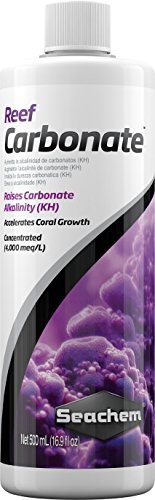
Raises carbonate alkalinity (KH)

Contains broad SPECTRUM of vitamins, trace minerals, amino acids and fatty acids vital to Fish and Coral health
How Do Substrates and Decor Affect pH Stability?
Substrates and decor significantly influence pH stability in your saltwater aquarium. Natural materials like driftwood and certain decorations release tannins and acidic compounds, which can lower pH over time, especially in larger tanks that need more driftwood. Peat moss and peat pellets also contain tannins that reduce pH but need periodic replenishment to maintain their effect. Additionally, buffering materials can help stabilize pH by counteracting fluctuations caused by organic materials. Proper substrate selection is crucial because it affects the chemical balance and overall water chemistry; choosing the right substrate can help maintain a balanced and stable pH environment over the long term. Inert substrates such as some sands do not interfere chemically, helping to maintain stable pH levels, while reactive substrates like crushed coral, dolomite, and limestone buffer or raise pH because they slowly dissolve and increase calcium carbonate levels. A well-maintained substrate is essential for preventing pH swings caused by organic buildup and ensuring a healthy environment for your aquatic life. Avoid reactive materials that release acids or unpredictable compounds, as these can cause pH swings and disrupt your ecosystem.
How to Lower pH Gradually Without Stressing Fish and Corals
To lower pH gradually without stressing your fish and corals, aim for no more than 0.2 to 0.3 pH units per day. Start by using pre-adjusted water for water changes, preparing new saltwater with a slightly lower pH. Spread adjustments over several days or weeks to prevent sudden swings that can harm your tank inhabitants. Increase aeration and gas exchange through air stones, powerheads, or protein skimmers to help safely reduce excess CO₂, which can raise or stabilize pH levels. Adjusting lighting can also influence algae growth, indirectly affecting pH. Support gradual changes by controlling source water quality, making small chemical corrections if necessary, and maintaining regular tank maintenance. Throughout the process, keep a close eye on alkalinity levels, as fluctuations can impact pH stability and overall tank health. Natural air exchange is also critical in maintaining stable pH levels, so incorporating proper ventilation can assist in achieving the desired pH slowly and safely. Additionally, understanding tank chemistry helps in making informed adjustments to stabilize pH and ensure a healthy environment for your aquatic life. Regularly testing alkalinity levels can provide early warnings of instability, allowing for timely corrective actions. Incorporating proper ventilation techniques can further promote healthy gas exchange to aid in pH control.

GRADUALLY LOWERS pH LEVELS: Easily adjust and lower the pH levels in your aquarium with KORDON pH Decrease Adjuster, a fast-acting solution for making your water more acidic.
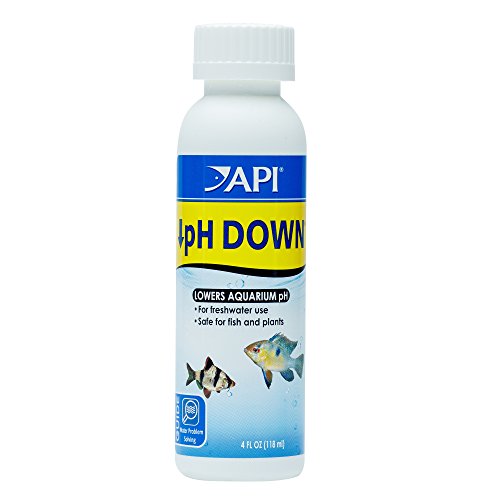
Contains one (1) API pH DOWN Freshwater Aquarium Water pH Reducing Solution 4-Ounce Bottle

MAINTAINS NEUTRAL pH: Helps maintain ideal pH levels in aquarium water.
Monitoring pH and Alkalinity: Tips for Safe Adjustments
Regular testing of pH and alkalinity is crucial for keeping your saltwater aquarium stable and healthy. Aim to test at least once a week to catch water chemistry changes before they cause stress to fish and corals. Use reliable calibration standards to ensure accurate pH readings, and always clean your probes before testing to prevent contamination. Make sure your probes are at the tank’s temperature for consistent results. Record not only pH and alkalinity but also water temperature and salinity, along with the time of day, to help identify patterns or fluctuations. When adjustments are necessary, add buffers or kalkwasser gradually, avoiding sudden changes that could damage your aquatic life. Consistent monitoring and careful dosing are key to maintaining optimal water chemistry and supporting a thriving marine environment. Proper calibration of testing equipment is essential for accurate measurements.
Troubleshooting Common pH Problems in Saltwater Aquariums
Excess CO2 buildup is a common cause of low pH in a saltwater aquarium. It often results from poor ventilation or limited gas exchange. To address this, increase surface agitation and aeration using powerheads or air stones, which help remove CO2 from the water. Ensuring good water movement at the surface is crucial because it promotes gas exchange, balancing the amount of CO2 and oxygen in the tank.
Biological filtration also impacts pH levels because it produces acids during nitrification. If your alkalinity is not sufficient to buffer these acids, the pH can decline. Testing your alkalinity regularly and maintaining proper levels—generally around 8 to 12 dKH—helps buffer pH fluctuations caused by biological processes.
Light intensity influences biological activity, affecting pH through photosynthesis and respiration. Adjusting your lighting schedule to optimize biological filtration can help stabilize pH. Too much light can boost photosynthesis, consuming CO2 and raising pH, while too little may slow biological activity and lead to pH drops.
Finally, always verify your testing methods for accuracy. Variations due to improper testing techniques or daily pH fluctuations are common. Regular calibration of test kits and taking measurements at the same time each day ensure more reliable readings. Addressing these issues carefully helps maintain stable pH levels, supporting healthy marine life. Additionally, monitoring the alkalinity levels helps ensure that your tank’s buffering capacity remains adequate to resist pH swings over time.

All-round Circulation: The hygger wave pump features three interchangeable outlets, different water flow widths to suit various aquarium scenarios. It simulates natural current to energize your tank and inspire your fish to swim. Perfect for creating a natural environment for aquatic lives. Furthermore, It greatly aerates your tank through water movement, and enhances filtration by agitating sediment. One wave maker meets the multi-dimensional needs of the aquarium
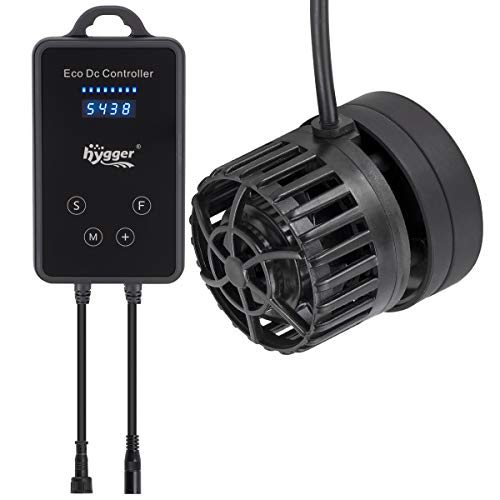
[Customize Current] A smart wavemaker, build in controller that enables to mimic ocean waves by setting various flow modes, power and frequency according to sunrise and sunset, day and night; Customize an ideal natural current for your coral to thrive with hygger Mini Powerhead Controller

Compact and Prowerful: 800GPH (3000L/H);Recommend aquarium size Range: 75-120gal freshwater tank, 60-75gal saltwater tank; Dimension: 3.25 x 2.5 x 2.5 inches (L x W x H);Cord:6 ft;Voltage:110V-120V / 60Hz