
Thinking about starting a live plants aquarium but unsure where to begin? The key is creating a balanced environment that supports healthy plant growth while keeping maintenance manageable.
With the right setup, lighting, and care routines, you can enjoy a vibrant, thriving aquatic landscape that’s both beautiful and easy to maintain.
Keep reading to discover how to make it happen.
Getting Started: Setting Up a Healthy Aquarium for Live Plants
To set up a healthy planted aquarium, start by choosing a level stand or counter that can support the full weight of your filled tank. Ensure it provides easy access to water and electrical outlets to simplify maintenance and equipment setup. Rinse the tank, substrate, and hardscape materials with water only—avoid soap or detergents, as residues can harm aquatic life and promote unwanted algae growth. Install the background decoration before filling the tank to make future aquascaping easier and more cleanly. Planning your workspace beforehand helps reduce spills and ensures safe handling of equipment, substrate, and stones. Use a mineral-rich substrate about 2 to 3 inches deep for optimal root health, rinsing it thoroughly beforehand to minimize cloudiness. Confirm that your filter, heater, and lighting are appropriate for live plants, as these elements are crucial for maintaining a balanced and healthy environment. Additionally, keep an eye on fish compatibility to prevent overstocking, which can lead to increased algae growth and stress among aquatic inhabitants. Knowing the aquarium’s volume and load capacity ensures you don’t unintentionally overstock the tank, helping maintain stable water conditions. Regularly monitoring water parameters and appropriate salt levels can support healthy plant growth and prevent issues caused by imbalances. Proper planning and understanding of aquascaping principles can greatly enhance the overall health and visual appeal of your aquatic environment. Maintaining a stable water parameter balance is essential for the long-term success of your planted aquarium.

Promotes Robust Plant Growth: This aquatic soil helps enrich plant development and fosters vigorous growth with vibrant coloration, ensuring your aquarium thrives with lush foliage
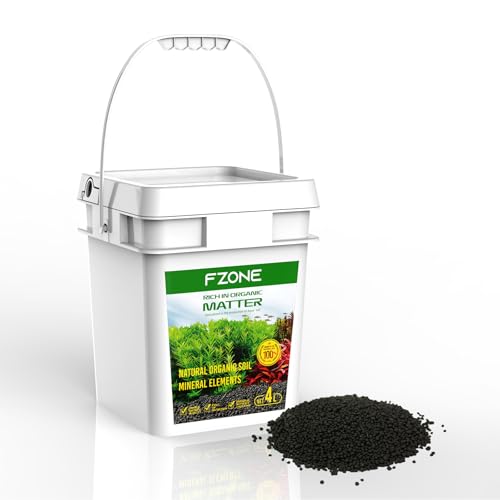
Nutrient-Rich Organic Formula:The aquarium substrate features a well-proportioned blend of organic matter, activated carbon, silica , soil, and minerals to provide essential nutrients and support a healthy planted aquarium ecosystem.
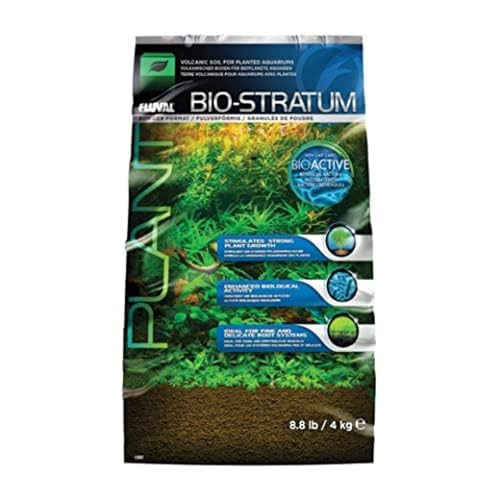
Promotes Robust Plant Growth: This aquatic soil helps enrich plant development and fosters vigorous growth with vibrant coloration, ensuring your aquarium thrives with lush foliage
Choosing the Best Aquarium Plants for Your Environment
The choice of aquarium plants depends on your tank’s environment and your maintenance style. Start by selecting the right substrate: some plants like rhizome species, such as Anubias and Java fern, attach to rocks or driftwood instead of rooting in the substrate. Stem plants like Bacopa or Hygrophila require nutrient-rich substrate to propagate effectively. Low-light plants like Java moss and Anubias thrive in simple setups with minimal lighting, while floating plants like water lettuce and Salvinia provide shade, help absorb excess nutrients, and can reduce algae growth. Aquarium conditions such as temperature, pH, and water hardness also play a significant role in plant health and growth. Matching plant types to your tank size enhances visual appeal: foreground plants like Dwarf Sagittaria spread laterally across the front, mid-height plants such as Cryptocoryne add depth, and tall background plants like Vallisneria fill vertical space. Proper understanding of lighting requirements is crucial because it directly influences plant thriving and algae control. Consider your lighting and water chemistry because these factors directly impact plant health. Proper substrate and suitable plant choices make routine growth easier, help maintain water quality, and create a balanced, attractive aquatic environment. Additionally, understanding aquarium lighting requirements can significantly influence plant thriving and algae control. Recognizing plant compatibility is essential to ensure that different species coexist without competition or disease, leading to a healthier aquarium.

Promotes Robust Plant Growth: Stratum fosters vigorous plant development by facilitating easy root penetration and nutrient absorption, aiding in the acquisition of vital nutrients essential for growth

Comprehensive supplement for the planted aquarium

First-Time Use Guide: For your initial application of root tabs freshwater aquarium plant fertilizer, start with 80% of the recommended dose first. After monitoring the growth of your live aquarium plants for a period, adjust to the full recommended dose. The recommended dose for aquarium root tabs is placing 1 tab with a minimum 5-inch spacing on the tank bottom: 5 tabs for 5-gallon tanks, 10 tabs for 10-gallon tanks. You can increase or decrease 1-2 root tabs for aquarium plants based on the density of your planted aquarium plants live.
Step-by-Step: Setting Up Your Aquarium for Plant Growth
Choose an appropriate tank size based on the type and number of plants you want to grow, typically starting with at least 20 gallons for beginners. Place the tank in a location that minimizes stress factors such as direct sunlight, which can cause algae blooms and temperature swings, and keep it away from drafts or heat sources. Use aquascaping techniques to plan your hardscape, arranging rocks and driftwood for visual balance and to conceal equipment neatly. Consider DIY background ideas like textured or painted backgrounds to add depth and aesthetic appeal to your setup. Prepare the substrate by adding a nutrient-rich layer about 2 to 3 inches deep, sloping from back to front to create a sense of perspective and make viewing easier. Plant in zones, with shorter plants in front and taller ones behind, ensuring proper spacing to accommodate growth and prevent overcrowding. Fill the tank slowly with dechlorinated water while supporting the substrate to avoid disturbing it, then run your filtration and lighting equipment to cycle the tank. This process helps stabilize conditions, creating an optimal environment for healthy plant growth. Additionally, adequate lighting is crucial for plant health, as proper illumination supports photosynthesis and overall growth. To further support healthy development, choosing lights with the correct light spectrum can significantly influence the vibrant appearance and health of your aquatic plants.

Let the LED light transform your aquarium with each color change. Pause the cycle on any color to fully customize your aquarium

【4 in 1 Aquascape Tools Kits】: Aquarium tank aquascape tools kits including 1*10.5" curved scissors, 1*10" straight tweezers, 1*10" curved tweezers, 1*12.5" sand spatula, one kit, multi-function.

Temperature Monitoring: Built-in real-time water temperature sensor ensures a stable environment for sensitive species like Betta fish, shrimp, and guppies, promoting healthier aquatic life. Ideal for Betta fish, shrimp, snails, and more, or as a breeding tank. (THE TEMPERATURE UNIT UPDATED TO °F.)
How to Achieve Perfect Lighting and CO2 Levels for Vibrant Plants
Achieving optimal lighting and CO2 levels involves understanding how light intensity, duration, and spectrum meet your plants’ specific needs. Light intensity should be tailored to the type of plants you keep. For low-light species, aim for 20-40 PAR; for medium-light plants, 40-80 PAR; and for high-light varieties, 80-120+ PAR. Adjust these levels according to your tank’s depth and layout, making sure that light penetrates evenly throughout the tank.
Use timers to provide a consistent light schedule of 8-10 hours daily. This prevents sudden fluctuations that can stress plants. The spectrum of your lights also matters: full-spectrum fixtures with color temperature between 5000–7000K, especially emphasizing red and blue wavelengths, promote healthy growth, vibrant coloration, and overall plant vigor. Incorporating appropriate lighting spectrum can significantly enhance plant development.
For CO2, maintaining levels between 20 and 30 ppm is ideal for most aquatic plants. Start and release CO2 about 1 to 3 hours before your lights turn on to allow plants to absorb it fully during their active growth period. Use a lime-green drop checker regularly to monitor CO2 levels—if the color shifts towards yellow, increase CO2; if it turns blue, decrease it.
Gradually ramp up lighting, CO2, and nutrients over time to prevent algae growth and ensure even circulation within the tank. Proper flow helps distribute nutrients and CO2 evenly, which is vital for vibrant, healthy plant development. Additionally, understanding how light spectrum impacts plant health can optimize growth conditions. Regularly testing water parameters and adjusting accordingly can further enhance plant growth and coloration. Consistent adjustments and careful monitoring are key to maintaining optimal conditions for thriving, colorful plants.

Work best on 10 gallon tanks with 20 inches long for better coverage; with two extendable brackets, this light also fits for fish tank from18 inch to 24 inch long
Work best on 2.5 gallon tanks with 12 inches long; with two extendable brackets, this light also fits for fish tank from11 inch to 14 inch long

【Novique Aquarium Clip On Lights】: Give your aquarium an instant glamorous glow! This professional grade clip on aquarium light restores natural light with scientific spectral technology, allowing aquatic plants to flourish and fish to be more colorful. Innovative one-button design can switch multiple light modes. Easy to use, safe and energy-saving, making your use more hassle-free. Enjoy 12 months long after-sales service to protect your aquarium world!
Keeping Water Conditions Optimized for Healthy Aquarium Plants
Maintaining optimal water conditions is essential for healthy aquarium plants. Aim for a pH between 6.5 and 7.8; a slightly acidic to neutral range supports most plant growth without stressing sensitive species. Keep general hardness (GH) between 50 to 100 ppm (4 to 8 dGH) to provide necessary minerals, and stabilize carbonate hardness (KH) around 3 to 8 dKH to prevent pH fluctuations. Nitrate levels should stay below 10 ppm, and phosphate levels under 0.5 ppm to avoid algae proliferation. Consistently monitor water temperature between 72 and 75°F to reduce plant stress and promote steady growth. Regular water changes of 10 to 25 percent using dechlorinated or remineralized water help maintain these parameters. Proper filtration, circulation, and routine testing create stable conditions that foster vibrant, healthy aquatic plants. Maintaining stable water parameters reduces stress, supporting more vigorous plant development. Additionally, understanding the importance of water parameter monitoring helps prevent sudden changes that could harm your plants. Performing regular testing allows you to catch shifts in water chemistry early and adjust accordingly to sustain a thriving aquatic environment.
Troubleshooting Common Plant Problems and Controlling Algae
Most common plant problems in aquariums are identifiable through clear visual symptoms. Yellowing leaves typically indicate nutrient deficiencies such as nitrogen, iron, or trace elements, and poor substrate nutrition might also be contributing. Holes, patches, and decaying leaves suggest potassium deficiency or root damage. Melting leaves and dieback often result from transplant shock or root rot. If you notice stunted growth, it may mean your plants are not getting enough light or CO2 is inconsistent. To combat algae, keep lighting to about 6-8 hours daily; excessive light encourages algae growth. Regular manual removal of algae is essential. Address nutrient deficiencies with targeted fertilization—adding nitrogen, potassium, or trace elements as required. Maintaining proper plant health and providing adequate nutrients can significantly improve overall plant vitality. Keeping conditions stable and fixing one major issue at a time will lead to healthier plants and better algae control.

GROWTH TREATMENT: Seachem Flourish Tabs are growth stimulating tablets for plant roots which contain essential trace elements, amino acids, and vitamins.
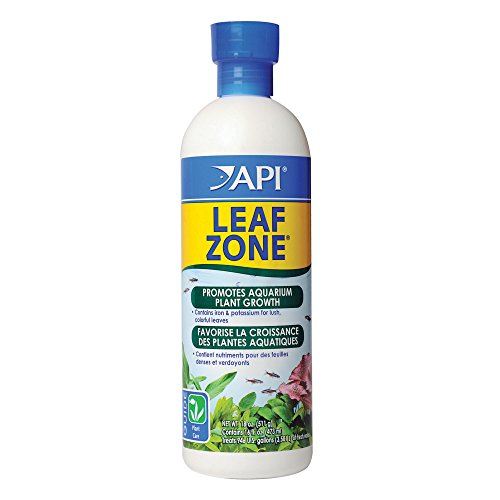
Contains one (1) API LEAF ZONE Freshwater Aquarium Plant Fertilizer 16-Ounce Bottle

SUPPLEMENT: Seachem Flourish is a comprehensive plant supplement for the natural freshwater aquarium, containing a rich assortment of important micro elements, trace elements and other nutrients.
Tips for Creating a Beautiful, Balanced Planted Aquarium Ecosystem
Creating a stunning and balanced planted aquarium starts with careful planning and thoughtful design. Use aquascaping techniques to arrange plants by height, grouping species with similar nutrient needs, and leaving space for growth. Begin with a substrate that’s about 1.5 to 2 inches deep, layering soil, sand, and gravel to provide stability and proper nutrient distribution. Hardscape elements, such as rocks and wood, should be positioned first so that plants can be arranged naturally around them. Focus on plant propagation methods like dividing and planting small bunches to promote healthy growth without overcrowding. Maintain proper lighting by providing 6 to 8 hours daily, gradually increasing as plants acclimate. Keep nutrient levels balanced with minimal doses, and perform regular water changes, pruning, and routine testing to ensure a stable, thriving ecosystem with vibrant plants and healthy aquatic life.