
Wondering if you can feed your betta goldfish food? While it’s okay to do so temporarily in emergencies, it’s not a good long-term solution.
Goldfish food doesn’t provide the high protein and essential nutrients your betta needs and can lead to health problems.
Keep reading to learn how to properly feed and care for your betta’s diet.
Do Betta Fish and Goldfish Food Have Different Nutritional Needs?
Betta fish have completely different dietary needs compared to goldfish food. As obligate carnivores, bettas require a diet that is high in protein—around 40 to 50 percent—to support muscle growth, energy levels, and their vibrant coloration. Goldfish food, on the other hand, is designed for omnivorous or herbivorous fish, containing lower protein levels and higher carbohydrate content. Feeding goldfish food exclusively to bettas over time can lead to nutritional imbalances, causing deficiencies that affect their health. Additionally, the nutritional content of the food plays a crucial role in maintaining betta health, and many commercial goldfish foods do not meet these specific requirements. Bettas also need specific fat levels, typically between 8 and 18 percent, for sustained energy, along with minimal fiber to prevent bloating and digestive problems. In contrast, goldfish food usually contains more fiber and less fat. Additionally, bettas have unique vitamin and mineral requirements, especially for vitamin C and B-complex vitamins. Relying on goldfish food to feed bettas means missing out on these essential nutrients, increasing the risk of health issues and long-term nutritional deficiencies. Proper reptile habitat management is also crucial to ensure overall animal health.

Betta fish food that contains up to 40%, nutrient-rich Black Soldier Fly Larvae, the first ingredient
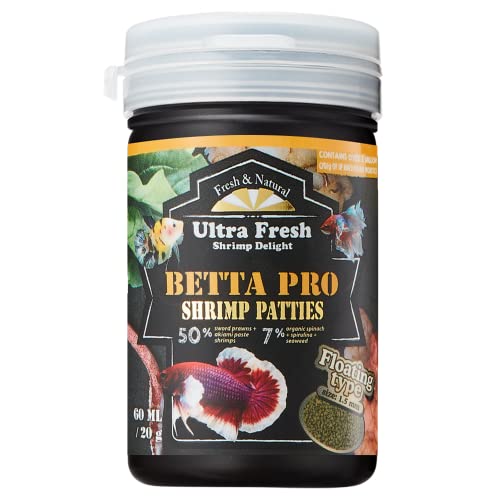
High Palatability : Sword Prawn Flavor - A blend of wild sword prawns, akiami paste shrimp, vegetables and seaweed. A perfect 8:2 meat/vegetable protein ratio even the pickiest betta can’t resist

BETTA FORMULATION: Nutritionally balanced diet is an ideal daily staple food for your Siamese fighting fish (betta splendens) and other top-water feeding tropical fish.
Can Bettas Eat Goldfish Food Safely in an Emergency?
In an emergency, feeding goldfish food to your betta can keep it alive temporarily. Limit feeding to about 30 seconds per session to prevent excess waste, which can increase ammonia levels and disrupt tank balance. Be mindful that goldfish food is designed for cooler water temperatures, while bettas thrive in warmer conditions. Using it as a short-term solution is safe, but long-term reliance can cause digestive issues because goldfish food is carbohydrate-heavy and lacks the high protein content bettas need. Always switch back to betta-specific food as soon as possible to ensure proper nutrition and maintain optimal water quality. Additionally, understanding the different nutritional needs of bettas compared to other fish can help prevent health issues over time. Recognizing species-specific dietary requirements is crucial for maintaining your betta’s overall health and vitality. Moreover, knowing how goldfish food impacts water quality can help owners better manage their tanks during emergencies.

Penn Plax Pro Balance 7-Day Betta Blocks Fish Food, Each Block is 0.75" Long x 0.5" Wide x 0.25" thic

2 Pack Of Zoo Med Betta Banquet Blocks.

BETTA FORMULATION: Nutritionally balanced diet is an ideal daily staple food for your Siamese fighting fish (betta splendens) and other top-water feeding tropical fish.
What Nutritional Gaps Are in Goldfish Food That Bettas Need to Watch Out For?
Goldfish food is not suitable for bettas because it often lacks key nutrients they need. Typically, goldfish diets contain only 20–30% protein, whereas bettas require between 30–50% for optimal health. This lower protein level can result in slow growth and decreased vitality over time. Goldfish food tends to be high in carbohydrates, which do not match the carnivorous nature of bettas and can lead to nutrient displacement. Furthermore, many goldfish foods include plant fillers such as wheat and corn that are hard for bettas to digest and reduce the overall nutrient density. Relying on this type of food regularly can cause malnutrition, weakness, and a higher susceptibility to diseases. Additionally, aquarium plant nutrition is often overlooked in goldfish food formulas, further contributing to nutrient deficiencies in bettas. Using specialized betta-specific diets can help ensure they receive the proper balance of essential nutrients for their health. It is also important to consider that nutritional completeness in fish foods plays a crucial role in preventing health issues caused by inadequate diets.
What Are the Risks of Feeding Goldfish Food Regularly to Your Betta?
Feeding your betta goldfish food regularly can cause several health problems due to the mismatch in pellet size and nutritional content. Goldfish food pellets are typically larger and designed for fish with different dietary needs. When your betta tries to swallow these bigger pellets, it can lead to gulping, choking, or air gulping, which increases stress and puts strain on its digestive system. As the pellets swell in your betta’s stomach, they raise the risk of constipation and bloating, both of which can be uncomfortable or even dangerous. Proper nutrition balance is also an important factor to consider when choosing the right diet for your betta. Goldfish food also tends to have lower protein levels and higher plant matter compared to betta-specific diets. This imbalance can cause malnutrition, weakening your betta’s immune system and making it more vulnerable to disease. Additionally, feeding goldfish food can lead to an unbalanced diet that deprives your betta of essential nutrients, impacting overall health. Over time, feeding goldfish food regularly can negatively impact water quality because the food produces waste that decomposes quickly. This waste buildup can lead to poor water conditions, increasing the need for frequent tank maintenance. Inadequate nutrition combined with poor water quality can result in metabolic issues and overall decline in your betta’s health.

Contains one (1) API BETTA FOOD Fish Food Pellet .78-Ounce Container

Bio-Technology provides active color enhancement

WHOLE ANTARCTIC KRILL FIRST - 45% min crude protein from krill, herring and sardine meals
When Is It Okay to Give Your Betta Goldfish Food Temporarily?
Temporary feeding with goldfish food is acceptable only during short-term emergencies, such as supply shortages, travel disruptions, or store closures, when no betta-specific food is available. This should only be done for a few days, typically up to a week. Use small amounts to prevent overfeeding and monitor your betta’s behavior carefully. Keep in mind that goldfish food tends to be higher in carbohydrates and lower in protein compared to betta pellets, so it doesn’t meet all of your fish’s nutritional needs. During this period, prioritize feeding your betta quality pellets as soon as possible to support overall health and water quality, and revert to the proper diet promptly once your supplies are restocked. Additionally, being aware of aquarium water quality can help prevent stress and health issues during dietary changes. Proper dietary requirements are essential for maintaining your betta’s health, even temporarily. A good understanding of nutritional needs ensures your fish remains healthy during such dietary adjustments.
How Can You Recognize if Your Betta’s Diet Is Inadequate? (Signs and Symptoms)
If your betta’s diet is inadequate, you’ll notice several physical and behavioral signs. A common physical indicator is a flat, pinched, or “knife-edge” back, which shows a loss of body mass and poor nutritional balance. The fish may appear dull, thin, or gaunt, signaling insufficient nourishment. Behaviorally, a betta might show little interest in food, refuse to eat, or eat sporadically. Lethargy, reduced activity levels, and decreased responsiveness to stimuli also suggest dietary issues. Digestive problems like constipation or bloating can develop from poor diet choices or water conditions that impair digestion. Persistent inactivity or unexplained weight loss despite maintaining good water quality indicates it’s time to review and diversify your betta’s diet for better health. Additionally, nutritional deficiencies can lead to weakened immune responses, making the fish more susceptible to infections and other health complications. Regularly reviewing your fish’s diet and exposing it to variety of foods can help prevent these health issues. Ensuring that your fish receives the proper nutritional balance is essential for maintaining overall vitality and resilience.
What Are the Best Food Options for a Healthy Betta?
High-quality pellets should be your daily staple for a healthy betta. Select formulas with ingredients like fish meal, shrimp meal, krill, or insect meal near the top of the list, as these provide the vital animal protein bettas need. Pellet sizes should be small enough to swallow comfortably—about 2 to 4 pellets per feeding. Pre-soaking the pellets helps prevent bloating and digestive issues, making them easier for your betta to digest. Regularly observe your betta during feeding to ensure they are actively eating and not spitting out or ignoring their food, which can indicate a dietary or health issue. feeding observations Add variety by offering frozen or live foods like bloodworms, brine shrimp, or daphnia once or twice a week. These mimic their natural diet and boost overall health. Freeze-dried options can be used occasionally but should not replace fresh or frozen foods, as they are less nutritious. Ensuring your tank has efficient filtration and a stable water temperature supports digestion and nutrient absorption, making your betta’s diet more effective.

Scientifically Developed Diet For All Types Of Bettas

Marine & Insect Power Proteins: This USA-made betta fish food pellet is packed with krill, shrimp, Pacific whiting, and Black Soldier Fly Larvae for a high-protein carnivore formula.

Why Do Betta-Specific Foods Support Better Health and Color?
Betta-specific foods support better health and vibrant color because they are carefully formulated to meet the unique dietary needs of bettas. As primarily carnivores, bettas require a diet high in animal-based proteins, which these foods provide through ingredients like fish meal, shrimp meal, and krill. These components help maintain muscle development, boost energy, and promote overall vitality.
In addition, betta-specific foods contain nutrients that enhance coloration, such as astaxanthin, spirulina, and carotenoids. These additives work to intensify reds, oranges, and yellows, making your betta’s colors more vivid. The formulas are designed to be easy to digest, reducing bloating and digestive stress—common issues with generic fish foods. By aligning with bettas’ natural feeding behavior and instincts, these foods support growth, improve body condition, and ensure your betta’s natural brightness shines through, reflecting optimal health.
How Can You Prevent Nutritional Deficiencies in Your Betta’s Diet?
To prevent nutritional deficiencies in your betta’s diet, provide a balanced, high-protein diet tailored specifically for bettas. Use a betta-specific pellet containing about 30–40% protein, mainly from meat-based ingredients like fish, shrimp, or salmon. Rotating supplemental foods such as bloodworms, brine shrimp, and daphnia adds nutrient variety and enhances vibrant coloration. Avoid using low-protein flakes or goldfish food as staples because they do not supply the essential nutrients your betta needs. Keep feeding portions small—2 to 4 pellets once or twice daily—and remove any uneaten food promptly to maintain water quality. Regularly replace stored pellets to minimize vitamin loss, which is vital for boosting your betta’s immune health and coloration. A well-rounded, protein-rich diet minimizes deficiencies, supports healthy digestion, and keeps your betta thriving. Understanding nutritional needs is crucial for ensuring your betta remains healthy and vibrant, particularly the importance of balanced feeding schedules in maintaining long-term health. Considering available dietary options that meet these nutritional needs can help optimize your betta’s well-being.
What Should You Do If Your Betta Has Been Eating Goldfish Food Long-Term?
If your betta has been eating goldfish food long-term, you should stop feeding it as the main diet immediately and switch to a high-protein, carnivore-specific betta food. Observe your fish closely for signs of bloating, constipation, lethargy, or poor growth, as these indicate digestive stress or nutrient deficiencies. Regularly clean the aquarium to maintain water quality, since poor conditions can exacerbate health issues. Keep the water temperature stable within the range of 78-80°F to support your betta’s recovery. Transition to the new food gradually if possible, but prioritize a fast switch to correct the nutritional mismatch. Feed small, frequent portions of high-protein food and remove any uneaten food promptly to prevent water quality decline. Ensuring proper nutritional balance is essential for your betta’s health and well-being.