
If you’re wondering which reptiles can comfortably thrive in a 10-gallon tank, the options are surprisingly diverse. Small species like dwarf geckos, anoles, and pygmy chameleons are perfect for limited space, provided their habitat needs are met.
Keep reading to discover the best choices and how to care for them properly.
What Should You Consider Before Choosing Reptiles for a 10-Gallon Tank?
Reptiles suitable for a 10-gallon tank are generally small species that remain manageable in limited space. You should prioritize animals that stay small throughout their lives, such as dwarf geckos, anoles, or pygmy chameleons. These species typically reach an adult size of 4 to 6 inches, making them suitable for a tank of this size. Additionally, certain species are known for their hardy nature and ease of maintenance, making them ideal choices for beginners. However, many reptiles will outgrow a 10-gallon tank as they mature. It’s important to consider their adult size and long-term habitat requirements before choosing. For instance, species with significant adult growth require larger enclosures to ensure proper health and behavior. Focusing on species-specific habits—whether they are arboreal or ground-dwelling—will help you arrange the environment appropriately to meet their needs. Feeding needs should also influence your choice. Opt for reptiles that have modest dietary requirements, such as small insects or crustacea, which do not require frequent, large feedings. Smaller, easy-to-handle prey minimizes stress and reduces mess. Handling fragile or easily stressed reptiles in a confined space demands extra care. Smaller reptiles are often more sensitive to environmental changes and handling, so choosing species known for their tolerance and resilience is advisable. Proper environmental conditions, such as temperature and humidity control, are crucial to maintaining their health in a limited space. Additionally, understanding species behavior patterns can also help you create an optimal environment that encourages natural activity and well-being.

Safe & Durable Material: Bearded Dragon Tank Accessories are made from non-toxic, eco-friendly plastic with soft silk leaves and sturdy iron wire stems. Fully bendable and lifelike, these vines twist together easily to create a dynamic 3D habitat with natural hiding spots.

Unlike reptile carpet, reptile tank liner is easy to spot clean and fully clean. This reptile substrate is a great low-maintenance option to maintain a clean and convenient environment

Precision Health Guardian: Your reptile pets are very sensitive to temperature and humidity, and small changes can affect their comfort and even their health. This humidity thermometer utilizes a built-in high-precision measurement chip that monitors the environment with 0.9°F accuracy, ensuring you are always aware of the actual conditions in your animal's tank. It's not just a matter of caring, it's a consideration for your pet's long-term health.
What Reptiles Can Live Long-Term in a Small Enclosure?
Several small reptiles can thrive long-term in a 10-gallon enclosure if their spatial needs are properly managed. Mourning geckos, for example, excel in vertical setups with multiple climbing and hiding options to reduce stress. They often reproduce without males, so you’ll need to control populations to prevent overcrowding as colonies grow. Proper habitat design is crucial for maintaining healthy populations in small enclosures and ensuring the animals’ well-being.
Day geckos, particularly dwarf and micro species, can live comfortably in small tanks if kept alone. Their active and territorial nature requires vertical space to keep them healthy and stress-free. House geckos are another suitable choice; their small size and wall-climbing habits make them ideal for compact setups, though it’s important to select species suitable for your enclosure size. Providing plants and hiding spots helps mimic their natural environment and promotes natural behaviors.
Pygmy chameleons, due to their tiny adult size, can also flourish in small enclosures, provided you maintain vertical space and choose the right species. Ensuring plenty of vertical room and hiding spots helps mimic their natural habitat, giving them the space they need to thrive long term. Proper temperature, humidity, and lighting are essential for their health, even in small spaces.
How to Set Up a Safe and Comfortable Habitat for Your Nano Reptile
Creating a habitat that’s both safe and comfortable for your nano reptile starts with understanding its natural environment and behavior. Design an enclosure that reflects their activity patterns—vertical spaces for climbers, horizontal spaces for ground dwellers. Ensure the lid is secure and escape-proof to prevent tiny reptiles from slipping through gaps. Proper lighting is essential, especially UVB lighting, which supports healthy metabolism and encourages natural activity. Maintain a temperature gradient using low-wattage heat sources to prevent overheating, and keep a reliable thermometer handy to monitor conditions. Dietary needs are equally important; provide appropriate live or pre-packaged food suitable for your species. Misting, substrate choice, and cover elements like moss or leaf litter help regulate humidity and create a stable environment that promotes health and natural behaviors. Regular water quality testing and adjustments are also crucial for maintaining water balance, preventing health issues related to excess or insufficient moisture. Additionally, understanding reptile habitat requirements ensures you can provide the most suitable environment for your nano reptile. Incorporating appropriate humidity levels will help to prevent respiratory issues and shedding problems.

Small lamp fixture for reptiles.

Low-profile design works well atop a screen cover
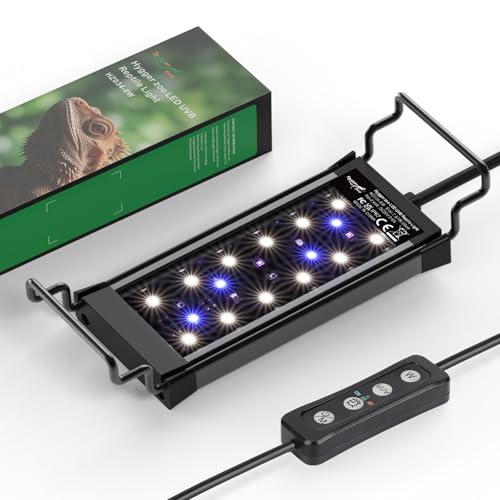
Auto & 5 Modes: Options to Meet Different Needs: The controller offers four light modes (2.0/5.0/10.0/12.0/15.0) to adapt to various environmental needs, covering Ferguson zones 1-4. Different modes allows you to customize the light intensity based on your pet’s specific needs, ensuring the most comfortable lighting environment.
Husbandry Tips for Caring for Small Reptiles in a 10-Gallon Tank
Proper husbandry for small reptiles in a 10-gallon tank involves closely monitoring temperature, humidity, and space use. Provide a thermal gradient that mimics their natural environment by including a warm basking area, ideally 85 to 90 degrees Fahrenheit if needed, and a cooler zone around 75 degrees. Use accurate thermometers to regularly check the temperature zones and prevent hotspots that could harm your reptile. Adjust lighting based on the species; some require UVB exposure for calcium metabolism, while nocturnal species need minimal or no UVB lighting. Maintain humidity at appropriate levels by misting the enclosure, adding live plants, or placing water dishes. Recheck humidity after each adjustment to ensure stable conditions. Creating a balanced environment is essential for overall health. Incorporating appropriate substrate can help maintain moisture levels and promote natural behaviors. Use vertical space effectively by adding branches and foliage, which not only mimic their natural habitat but also encourage natural climbing behavior. Hiding spots are vital to reduce stress, so include caves or small shelters. Feed prey that is appropriately sized for your reptile’s age and species, and regularly supplement their diet with calcium and vitamins. Providing proper lighting and heating helps promote digestion and supports overall health, ensuring your small reptile stays active, healthy, and thriving in a limited space.
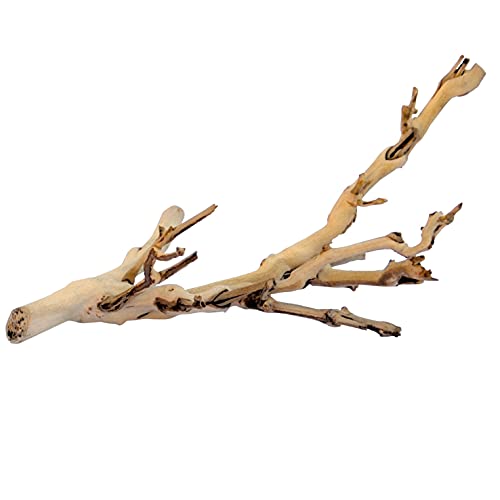
Naturalistic Design: The Exo Terra Forest Branch is made from real wood and shaped to mimic natural tree branches, creating a realistic and enriching habitat for reptiles and amphibians

REPTILE HEATING PAD: Size: 8” x 12” ; Voltage: 120 volt; Power: 16 watt; Please read instructions carefully before using. Recommend for 30-40 gallon terrarium and it can easily put out steady heat between 104℉ and 122℉

🦎【PACKAGE INCLUDE】Gecko tank accessories includes 1 x reptile coconut hut,1x Flexible Bendable Bridge; 1x hanging plant; 1 reptile vines; 1 x leaves;4x water grass flower ball; The attractive coconut hut is full of primitive, and decorative plants to give your pet a comfortable reptile habitat.
Reptile Species That Should Probably Be Avoided in a 10-Gallon Tank
Many reptile species should be avoided in a 10-gallon tank because they outgrow this limited space or require specific habitat features that small enclosures can’t provide. Large-bodied snakes like rosy boas, children’s pythons, and gargoyle geckos need more room for movement and to prevent stress or health issues. Arboreal species such as day geckos and crested geckos require vertical space to climb and thrive, which a small tank cannot offer and can hinder their natural behaviors. Active snakes like king snakes and green snakes tend to become stressed or outgrow confined environments quickly, making them unsuitable for a tank of this size. Additionally, lizards like African fire skinks and banded geckos need larger areas to forage and explore safely. Maintaining a healthy aquarium environment is crucial for captive reptiles, and keeping these animals in a tank too small can lead to health problems and inhibit their natural behaviors, making them poor choices for a 10-gallon setup. Ensuring a suitable habitat size is vital for the reptiles’ overall wellbeing and development.
Risks and Limitations of Keeping Reptiles in Small Enclosures Long-Term
Keeping reptiles in a small enclosure like a 10-gallon tank over the long term is generally unhealthy and compromises their welfare. Limited space restricts natural behaviors such as climbing, burrowing, and thermoregulation, which can cause stress and discomfort. Waste and shed skin accumulate quickly in small tanks, increasing the risk of disease and requiring frequent, meticulous cleaning. Temperature and humidity levels are more prone to fluctuations, making it difficult to maintain stable environments essential for health. This often results in stress-related health issues and developmental problems.
Moreover, a small environment can hinder the reptile’s ability to engage in natural behaviors, which are vital for their mental and physical health. Proper habitat zoning is also compromised, reducing access to basking spots, hiding places, and activity zones, all vital for mental and physical well-being. As your reptile matures, the need for habitat upgrades or modifications becomes more urgent, adding to the care burden. Environmental stability is also harder to achieve in such confined spaces, further stressing your pet and risking health issues. Overall, keeping a reptile in an undersized enclosure over an extended period increases risks to its health, behavior, and quality of life.
Frequently Asked Questions About Nano Reptile Housing
A 10-gallon tank can be suitable for certain small reptiles, such as microgeckos, pygmy chameleons, or anoles, especially for juvenile or mild-mannered individuals. This size offers enough space for basic movement and feeding, but it’s important to consider the species’ specific needs. For example, arboreal reptiles require vertical space for climbing, so adding branches and climbing surfaces is essential. Secure hides and enrichment items help create a comfortable environment, preventing stress. Proper enrichment enhances their well-being and encourages natural behaviors. While 10-gallon tanks are manageable for small reptiles, remember that long-term health depends on maintaining proper temperature and humidity levels. Regular cleaning is vital to prevent bacteria buildup and keep humidity consistent, which is particularly important for tropical species like crested geckos. Some reptiles may outgrow this size over time and benefit from larger enclosures, so plan for potential upgrades as your reptile grows or for increased activity needs. Ensuring proper enclosure size is essential for their development and overall health. Additionally, understanding the appropriate habitat requirements of your reptile can significantly impact its overall well-being. It’s also helpful to monitor environmental parameters closely using reliable reptile monitoring devices to ensure optimal conditions.