
Wondering if your aquarium needs an air pump? The answer depends on your tank setup and fish needs.
Air pumps boost oxygen levels by creating water surface movement, which keeps water healthy and prevents dead zones.
In most cases, if your filter and water flow are strong enough, you might not need one.
Keep reading to learn when and how to ensure your tank gets enough oxygen.
What Does an Aquarium Air Pump Do: and How Does It Help Fish?
An aquarium air pump’s main function is to introduce room air into your tank via airline tubing, producing bubbles that help circulate water. This movement prevents stagnant zones where debris and waste can accumulate, promoting a cleaner environment. The bubbles also create surface agitation, which enhances gas exchange—allowing oxygen from the air to dissolve into the water and removing excess carbon dioxide. While the pump itself doesn’t directly oxygenate the water, the increased surface movement boosts oxygen levels efficiently. This process supports healthy fish and aquatic plants, especially in heavily stocked tanks or those with limited surface area for natural gas exchange. Additionally, the lively bubbles and movement add visual interest, making your aquarium more attractive. Using an air pump helps stabilize water conditions by maintaining good oxygenation and reducing waste buildup, which is essential for a healthy aquatic environment. Proper maintenance of the pump is essential to prevent mold and ensure it operates effectively over time. Regularly checking and cleaning the pump’s components can extend its lifespan and ensure it continues to improve water circulation effectively. Maintaining proper filter function in combination with an air pump can further optimize overall tank health.

Reliable Airflow Connection - This standard airline tubing connects aquarium pumps to air stones, under-gravel filters, and decorative ornaments. A dependable solution for maintaining steady airflow during new setups, system upgrades, or routine tank maintenance.

The Airline Tubing is made of fish-safe material, it is thickened and wear-resistant,and should not crack or become brittle
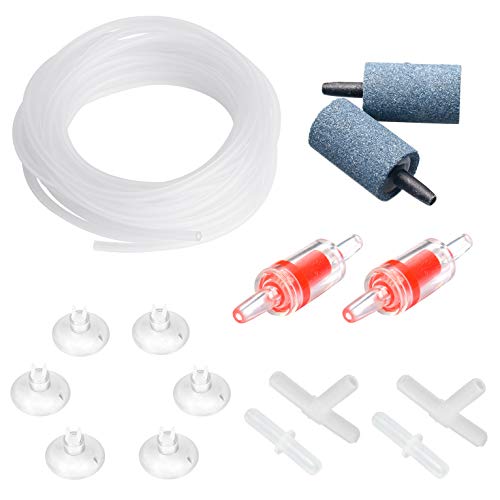
All In A Package: No Worry About Mismatching - Complete air pump accessories of airline tubing, air stones, connectors, suction cups and check valves for basic aquarium aeration setup.
Do You Really Need an Air Pump in Your Aquarium?
Many aquariums can function well without an air pump if the water movement and filtration system provide enough oxygenation. If your tank features strong surface agitation, it encourages gas exchange that supplies the necessary oxygen for your fish, making an air pump optional. The placement and type of decorations, such as plants and ornaments, also influence water circulation, so consider how they affect flow patterns. In tanks with low bioloads or stable conditions, an air pump may not be needed if your filter or powerheads generate sufficient movement. Additionally, natural oxygen transfer can occur through surface movement, reducing the need for additional aeration devices. Maintaining proper water circulation is crucial for oxygen levels and overall tank health. Proper aeration methods can also promote uniform water temperature and prevent stagnation. Regularly monitoring water parameters, such as oxygen levels, can help determine if your tank needs supplementary oxygenation. However, in high-stocking setups or warmer water conditions, an air pump can help boost oxygen levels. Ultimately, deciding whether to use one depends on your specific tank setup, the species you keep, and the equipment already in place.
Why Surface Movement Is Critical for Healthy Oxygen Levels
Surface movement is essential because it directly affects oxygen exchange between the water and air. Gentle ripples, waves, or bubbles create surface agitation that enhances gas exchange at the water surface. This movement replaces water that has become depleted of oxygen with fresh water exposed to the air, maintaining higher levels of dissolved oxygen. Proper surface agitation doesn’t require strong turbulence; a light ripple across most of the surface is sufficient for effective gas exchange. Equipment such as HOB filters, spray bars, and air stones can help create and maintain this movement, supporting healthy respiration for aquatic life and preventing excess carbon dioxide buildup. Surface agitation also helps prevent the formation of protein films, which can hinder gas transfer and reduce oxygen absorption. Consistent surface agitation ensures the water remains well-oxygenated and clean, producing a healthier environment for your aquarium inhabitants. Additionally, maintaining proper surface movement encourages beneficial oxygenation levels essential for the overall health of your aquatic ecosystem. Regularly monitoring and adjusting your filtration system can optimize oxygen exchange and keep your aquatic environment thriving. Proper surface movement is a simple yet vital aspect of aquarium maintenance that significantly impacts water quality and aquatic life wellbeing.
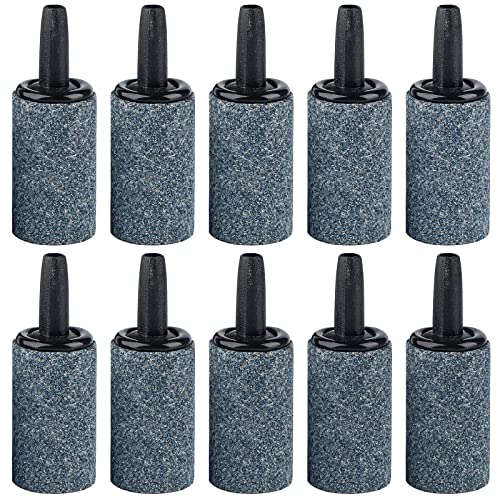
Tiny but Enduring: Each air stone measures 0.6" D x 1" H and weighs 0.3 oz. Tiny but well-constructed for continual bubbling. Ideal for small fish tanks or aquariums.

Widely applicable: suitable for small fish tanks and aquariums, helping extend the life of your nutrient solution

Durable air stone diffuses water in every direction; Increases surface agitation
Signs Your Fish Are Struggling With Low Oxygen
Fish that are struggling with low oxygen levels often show clear, noticeable behaviors. One of the most obvious signs is fish gathering at the water surface and “piping” or gasping for air. They repeatedly break the surface with their mouths, trying to draw in air directly from the water’s surface. Fish that normally stay lower, such as bottom dwellers, hanging near the surface, raise a red flag. Rapid gill movement and pale or discolored gills are also common indicators of oxygen stress. Surface swimming is another behavior often observed when oxygen levels are too low, as fish attempt to access more oxygen. Additionally, you may notice fish becoming lethargic or less responsive, showing reduced activity and reluctance to feed. Proper oxygenation is essential for maintaining healthy fish, especially in smaller tanks where oxygen levels can fluctuate quickly. Poorly circulated water can quickly lead to hypoxia, making adequate aeration crucial for a healthy aquarium environment. Inadequate aeration can also cause oxygen depletion in the water, further exacerbating stress on your fish. Serious signs include loss of balance, floating upside down, or displaying erratic swimming postures. When multiple signs—such as surface gasping, rapid gill movement, and lethargy—occur simultaneously, it points to critically low oxygen levels and requires immediate action to restore proper oxygenation in your aquarium.

This air pump fits for up to 100gal fish tank; Dimension: 4x2.25x1.75 inches (L x W x H)

HITOP 10W 320GPH Powerful aquarium air pump with 4 air outlets, 8.5"L x 6"W x 2.8"H large aerator, ideal for aeration in multiple fish tanks simultaneously, or used to drive bubbler wall or sponge filter, and can also be used for small ponds or hydroponics.

Powerful: total output 300GPH; 4 outlets make it easy to run multiple sponge filters, air stones, bubbler decorations and air bubble discs.
When Is an Aquarium Air Pump Necessary? Key Situations
An aquarium air pump is necessary in situations where increased oxygenation is required to maintain healthy fish, especially in specific tank conditions. If your tank uses air-driven equipment like sponge filters, uplift filters, or bubbler ornaments, an air pump is essential for their operation. During the first month of setup, an air pump helps stabilize biological filtration by supporting bacterial growth, especially when medications or treatments temporarily disrupt bacterial colonies. Heavily stocked tanks or those with high waste loads benefit from extra oxygen to prevent oxygen depletion, which can lead to fish stress or health issues. Warmer water temperatures also lower oxygen levels, making an air pump crucial during hot months or in low-oxygen environments. Maintaining optimal oxygen levels] is essential for preventing health problems. Additionally, quarantine tanks, emergency setups, or tanks with minimal surface agitation rely on an air pump to ensure adequate oxygen supply and effective algae control, thereby safeguarding fish health in various situations. Using a quality aquarium pump with filter can improve overall water quality and biological stability, making it an even smarter choice in these scenarios.
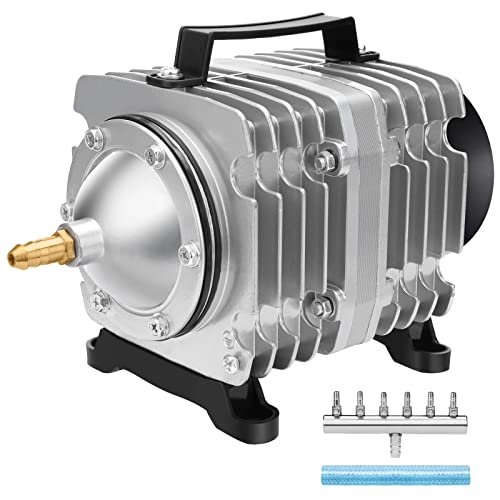
HIGH PRESSURE, LARGE OUTPUT – This aquarium air pump delivers large output and high pressure of compressed air. Flow rate 600GPH, pressure 0.02Mpa, powered by a 18Watt electromagnetic motor.
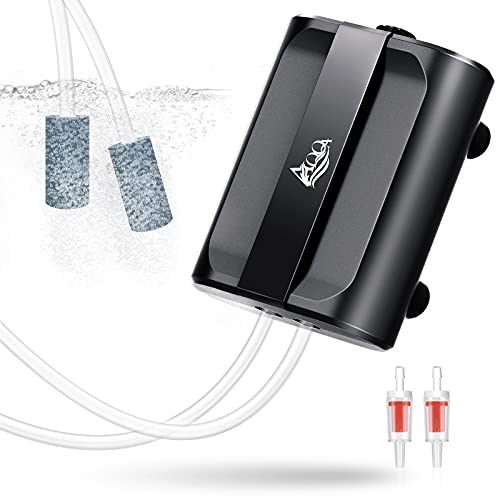
3.5 W Mini Air Pump: 3 L/min; Pressure is 0.01 Mpa; Water depth 2 Ft; Powerful air volume; Compact shape, fashion nice smooth mirror, easy to carry, classic all black color, made of durable ABS material

Powerful Performance: Our 3W aquarium air pump features a maximum pressure of 20Kpa and a flow rate of 95GPH, making it ideal for tanks up to 80 gallons. The aquarium bubbler can be used for larger fish tanks and aquariums, with a wide range of applications. It can provide your aquarium with sufficient fresh oxygen 24 hours a day, so that your pet fish always live in a comfortable water environment
How an Air Pump Boosts Water Circulation and Fish Health
Air pumps significantly boost water circulation in your aquarium by generating bubbles that push water movement throughout the tank. This increased flow prevents stagnation and creates a more dynamic environment. As bubbles rise, they help eliminate dead zones where oxygen might otherwise be lacking, ensuring oxygen-rich water reaches all areas. The enhanced surface agitation promotes better gas exchange, allowing carbon dioxide to escape and oxygen to enter, which helps maintain stable water temperature and gas levels. Additionally, better water movement keeps debris and waste from settling in one spot, reducing the risk of harmful buildup. The improved oxygen levels support fish in breathing comfortably and promote the health of beneficial bacteria that break down waste. Properly setting the flow rate ensures oxygen penetrates every layer of water, keeping the entire aquarium environment balanced and healthy. Maintaining consistent airflow from the pump also sustains water circulation, which is essential for a healthy aquatic ecosystem. Enhancing water flow helps distribute heat more evenly in the tank, preventing cold or hot spots that could stress aquatic life. Ensuring optimal water movement can also prevent the growth of harmful bacteria and algae, contributing further to the tank’s overall health.
Choosing the Right Air Pump for Your Tank Size and Fish Load
Choosing the right air pump depends on matching its flow rate to your tank size and fish load to guarantee ideal oxygenation without over-pressurizing the system. For tank size, a common approach is to calculate water volume in liters and multiply by 2.5 to 5 liters per hour, or use a rule of 1 cubic foot per minute (CFM) for every 10 gallons. This ensures enough oxygen reaches your fish without creating excessive water movement. To account for different fish loads, increase the flow rate by about 50% if you have species like goldfish or if water temperatures exceed 28°C, as these conditions demand more oxygen. Resistance from tubing, filters like sponge filters, and long hose runs can reduce effective airflow, so choosing a pump with a built-in safety margin of around 10 to 30 percent helps maintain consistent performance. Properly sizing your air pump is essential for maintaining healthy fish, preventing algae overgrowth, and ensuring water filtration remains effective through adequate water movement.
How to Maximize Oxygen Without Using an Air Pump
To maximize oxygen levels in your aquarium without using an air pump, increasing surface agitation is key. Direct filter output toward the water surface or add devices like wave makers, waterfalls, or fountains. These create ripples and splashes that enhance gas exchange, efficiently transferring oxygen into the water. Manual pour-over aeration, where you pour water from a height into the tank, can provide a temporary oxygen boost during emergencies. Including live plants such as Hornwort or Elodea also helps, as they produce oxygen through photosynthesis, especially when your aquarium lighting is adequate. Maintaining proper water chemistry through regular water changes refreshes oxygen-rich water, while cooling the water slightly can increase dissolved oxygen levels. A clean, well-maintained, and less crowded tank naturally supports higher oxygen levels without the need for an air pump. Additionally, dissolved oxygen levels can be improved by ensuring good water circulation and reducing waste buildup. Proper water movement also helps in preventing stagnation and allows oxygen to disperse more evenly throughout the tank. Regularly monitoring oxygenation can help in maintaining an optimal environment for your aquatic life.
Common Mistakes When Using or Skipping an Air Pump
Incorrect placement of the air pump is a common mistake that can lead to serious issues. You should never position the pump below the waterline without installing a check valve. Without this valve, backflow or water leaks can occur if the pump stops working, risking flooding and damage to your tank. Placing the pump near decorations or live plants can interfere with surface agitation and water circulation, which impacts oxygen exchange and the health of your aquatic life. Proper placement of the air pump helps ensure optimal operation and prevents potential problems. Kinks and bends in airline tubing are often overlooked but significantly restrict airflow. This leads to uneven bubbles and lower oxygen levels in the tank. Properly securing and straightening airline tubing ensures consistent airflow and optimal oxygenation. Additionally, noise and vibration from the pump can stress your fish if it is not positioned correctly. To minimize disturbances, place the pump on a stable surface away from the tank and perform regular maintenance to keep it running smoothly. Neglecting these setup and maintenance steps can result in poor oxygen levels, stressed fish, and an unstable aquarium environment.
Top Tips to Keep Your Aquarium’s Aeration System Running Smoothly
To keep your aquarium’s aeration system running smoothly, ensure even water circulation and surface agitation. Increase surface agitation by directing filter outflow toward the surface, angling powerheads upward, or using fan-style nozzles. This prevents still surfaces, which hinder oxygen transfer, and promotes uniform aeration across the tank. Position air stones near corners or the center to create balanced water movement, helping plants access oxygen and avoiding dead zones. Adjust the strength of your aeration system based on your tank’s needs—more in overstocked or warm tanks, less in lightly stocked or cooler ones. Regular cleaning of air stones, tubing, and diffusers is essential for optimal performance. Monitor for signs of wear, noise, or fish gasping at the surface, indicating oxygen deficiency. Keeping backups and inspecting equipment routinely ensures consistent oxygen levels and a healthy aquatic environment.