Figuring out what to feed your fish can feel overwhelming with so many options out there.
The right food depends on your fish’s species, size, and age, and choosing the wrong one can impact their health.
In this guide, you’ll learn how to select the best foods for different types of fish and how to feed them properly.
Keep reading to discover the key to a healthy, vibrant aquarium.
Types of Fish Food Explained: How to Choose What’s Best
Choosing the right type of fish food depends on your fish’s species, size, and feeding behavior. Flake food is ideal for small to medium surface feeders because it dissolves quickly and offers balanced nutrition for daily use. It also helps enhance your fish’s natural colors with added color enrichment.
Pellet food suits larger fish or species feeding at different water levels. It provides concentrated nutrients and can be prepared in varying sizes to fit your fish’s mouth comfortably. This makes it easier for bigger fish to swallow and ensures they get a proper amount of food.
Frozen and live foods deliver high protein and natural flavors, making them excellent choices for carnivorous or omnivorous fish. However, they require careful handling and timely feeding to prevent spoilage or waste.
Supplementary options like algae wafers and spirulina help diversify your fish’s diet and support herbivorous species. These add variety and aid in maintaining healthy digestive systems.
Knowledge about aquarium plants also emphasizes the importance of choosing foods that promote vibrant colors and healthy growth, helping your fish thrive in their environment.

TROPICAL FORMULATION: Highly digestible ingredients for use as staple food for your top- and mid-feeding tropical fish.

GOLDFISH FORMULATION: Specially designed for use as a staple flake food for your goldfish or small koi.

Contains one (1) API TROPICAL FLAKES Fish Food 1.1-Ounce Container
Matching Fish Food to Your Fish’s Species and Dietary Needs
Matching fish food to your fish’s species and dietary needs ensures they receive the proper nutrients for vibrant colors, growth, and activity. Carnivorous species like cichlids require high-protein foods with 40-50% protein content to support their coloration and development. Omnivores such as tetras and gouramis benefit from moderate protein diets that include some plant matter, helping maintain water quality and balanced nutrition. Herbivores like plecos prefer algae-based foods enriched with spirulina, which enhances their color and digestion. The life stage of your fish also matters; juveniles need over 50% protein for rapid growth, while adults do well with more varied diets. Properly matching food reduces waste, maintains water quality, and enhances coloring, keeping your fish healthy and vibrant. Additionally, understanding fish dietary requirements can help optimize their health and longevity. Ensuring you select the appropriate type of fish food can also prevent overfeeding and associated water quality issues. Recognizing the importance of proper nutrition in fish care helps ensure their overall well-being and resilience.

Tropical fish food that contains up to 40%, nutrient-rich Black Soldier Fly Larvae, the first ingredient

Tropical fish food that contains up to 40%, nutrient-rich Black Soldier Fly Larvae, the first ingredient

CICHLID FORMULATION: These protein-rich flakes are specially designed for use as a staple food for top- and mid-water cichlids.
What Are the Best Ingredients for Healthy Fish Food?
High-quality aquatic protein sources are essential for healthy fish food. Think fish meal, shrimp, krill, and fillets from salmon or tilapia. These ingredients supply the amino acids your fish need for proper growth and vitality. Including these proteins ensures your fish get a balanced diet and supports their overall health. These sources are also typically rich in essential nutrients that contribute to optimal feeding and energy levels. Incorporating a variety of protein sources can help prevent nutritional deficiencies.
For omnivorous and herbivorous fish, plant-based nutrients matter just as much. Blanched spinach, peas, zucchini, and algae like spirulina or chlorella provide vital vitamins, fiber, and nutrients that promote good digestion and boost immunity. Incorporating a variety of these vegetables helps replicate their natural diet effectively.
Don’t forget healthy fats such as fish oil or flaxseed. These sources deliver omega-3 fatty acids, which play a crucial role in immune response and maintaining healthy skin and fins. Well-balanced fats also improve the absorption of fat-soluble vitamins and keep your fish lively and vibrant.

🥩 Premium Ingredients: Krill, shrimp, fish proteins, spirulina delight.

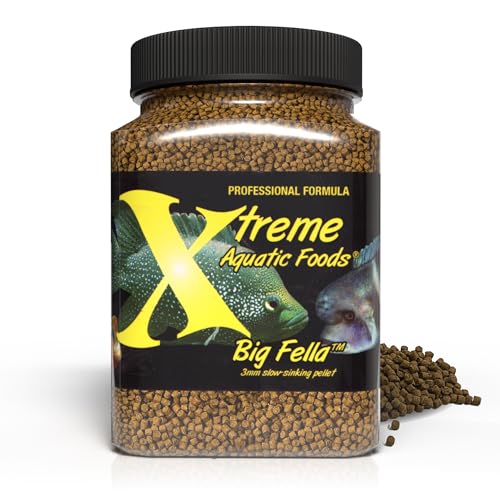
Formulated Feast: Specially designed for large and aggressive freshwater fish like cichlids, silver dollars, and angels, ensuring they receive the nutrition they need to thrive
How to Feed Fish Properly: Amounts, Frequencies, and Tips
Feeding your fish twice daily is generally ideal for promoting healthy growth and maintaining vibrant colors. Offer only as much food as they can eat within 2 to 3 minutes to prevent uneaten leftovers that can pollute the tank. Start with a small portion and increase only if all the food is consumed quickly. Overfeeding can cause water quality problems and digestive issues, so it’s better to feed less and observe their behavior. Use pellet or flake sizes appropriate to your fish’s mouth to make swallowing easier. For smaller or juvenile fish, feeding up to three times a day can support faster growth. Regularly check for signs of overfeeding such as floating debris or leftover food and adjust portions accordingly to keep your tank clean and your fish healthy. Proper feeding techniques are essential for maintaining a stable and healthy aquarium environment, and understanding the needs of different species can help prevent common issues related to improper feeding. Adequate sports nutrition and tailored diets can also significantly enhance their overall health and longevity.

Contains one (1) API BOTTOM FEEDER PELLETS WITH SQUID Fish Food 1.3-Ounce Container

SUPERIOR NUTRITION has been scientifically proven by decades of research to meet the dietary needs of tetras, barbs and other small tropical fish.
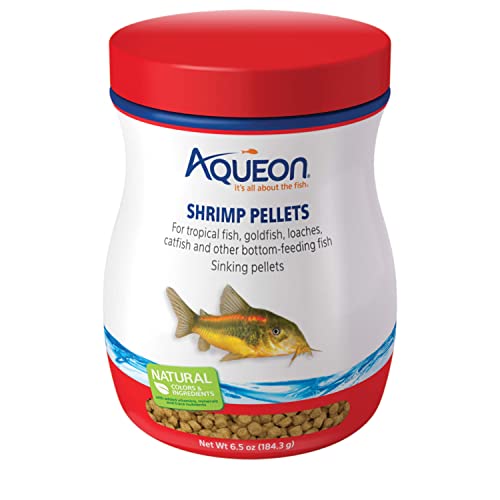
Ideal for bottom dwelling fish
Adding Supplements and Special Diets to Keep Fish Healthy
Adding supplements and special diets is essential for maintaining your fish’s health, particularly when their natural food sources are limited or their specific needs require extra support. Vitamin supplements such as vitamin C and E help regulate water quality parameters and boost the immune response, making your fish more resistant to disease. Incorporating fatty acids like fish oil provides essential lipids that support growth, bolster stress resistance, and can positively influence behavior patterns. Special diets designed for sick, elderly, or hard-to-feed fish often contain high-quality proteins from fish or shrimp meal, which aid digestion and accelerate recovery. Fish on these tailored diets typically show improved activity levels and feeding habits. Using immune-support supplements periodically can prevent illnesses and help your fish stay vibrant and healthy in their environment. Additionally, the right aquarium filter can improve water quality, ensuring necessary nutrients are retained and harmful toxins are removed. Proper water parameters are essential for the effectiveness of these supplements and the overall well-being of your fish. Maintaining optimal feeding schedules can also enhance absorption of these nutrients and improve overall health.

ENHANCES CORAL GROWTH – Provides vitamin C to boost soft tissue growth, aiding in coral healing and expansion.

Crystalpro Multi-Vit adds essential vitamins to all fish species and other aquarium creatures they need in their metabolism.

Excellent for soaking freeze-dried foods.