Worried that your fish might choke on its food? It’s a common concern, especially when fish swallow things too big or unsuitable for their size.
Fish can indeed choke if they swallow oversized pellets or debris that get stuck in their throat, leading to breathing problems and distress.
With proper feeding habits, you can help prevent this.
Keep reading for tips on recognizing signs of choking and how to respond.
Can Fish Choke, and How Can You Prevent It?
Yes, fish can choke if they swallow food that is too large or unsuitable. The primary cause of choking is food becoming lodged in their esophagus, which can block breathing and swallowing. Oversized pieces or inconsistent food sizes are common culprits, especially during feeding when fish might attempt to gobble quickly. To prevent choking, offer food that matches the size and type appropriate for your fish species—usually small enough to be swallowed comfortably in one go. Break larger items into smaller pieces before feeding. Avoid overfeeding, as excess uneaten food can decompose and create obstructions. Remove uneaten food promptly to keep the water clean and reduce debris that could cause blockages. Monitoring your fish’s feeding behavior can help spot early signs of distress, allowing you to intervene before a blockage becomes a serious problem. Maintaining a tidy tank and providing suitable, appropriately sized food significantly lowers the risk of food obstructions impairing your fish’s ability to eat or breathe normally. Proper feeding practices are essential to ensure your fish remain healthy and safe during mealtime. Additionally, choosing appropriate fish food can make a significant difference in reducing choking hazards. Ensuring proper feeding techniques also helps minimize the likelihood of food-related issues and promotes a healthy, safe eating environment for your fish.
How Do Fish Breathe and Swallow? The Foundations
Fish breathe and swallow through their gills, which serve as their primary respiratory organs. Water enters the fish’s mouth and is moved over the gill structures using buccal pumping—a process that involves actively opening and closing the mouth and gill covers. The gills are composed of thin filaments and lamellae, which increase the surface area available for gas exchange. As water flows over these surfaces, oxygen diffuses into the bloodstream while carbon dioxide moves out into the water. This efficient gas exchange relies on countercurrent flow, where water and blood flow in opposite directions, maximizing oxygen absorption from water that has a relatively low oxygen content. Fish do not breathe air; instead, their water filtration system, combined with active gulping and pumping, ensures they meet their oxygen needs while swallowing water, not food. Fish have evolved specialized gill structures that allow them to extract oxygen effectively even in varying water conditions. Additionally, the structure of these gills allows for efficient oxygen transfer, which is vital for their survival in diverse aquatic environments. The thin gill filaments are remarkably delicate yet highly effective at facilitating this vital process. To adapt to different environments, some fish can also utilize additional respiratory structures, which help enhance oxygen intake when water oxygen levels are low.
What Are the Causes of Fish Blockages During Feeding?
Blockages during feeding happen mainly when your fish’s digestive system gets overwhelmed or obstructed. The most common causes include overfeeding, feeding large or inappropriate meals, and choosing poor-quality diets. Giving too much food at once or feeding too quickly can cause food to pack tightly in the gut, increasing the chance of blockages. Dry, hard, or low-quality foods tend to expand or be harder to digest, especially if you don’t soak them beforehand. Diets lacking fiber slow down digestion and can lead to impaction. Food size also matters: oversized pellets or flakes may lodge in the fish’s esophagus or intestines. Poor water quality from dirty tanks can weaken fish health, making digestion less efficient and increasing blockage risk. Incorporating aquarium plants can help keep the water cleaner, support healthy digestion, and reduce the likelihood of blockages. Maintaining proper tank conditions and understanding the digestive process can further prevent issues related to food intake. Additionally, understanding how fish digestion works can help you tailor feeding practices to avoid these problems altogether. Regularly monitoring the feeding habits of your fish can also promote healthier digestion and prevent blockages.

FEEDS FISH WHILE YOU’RE AWAY: Slow-release gel block is designed to nourish your tropical fish for up to 14 days.
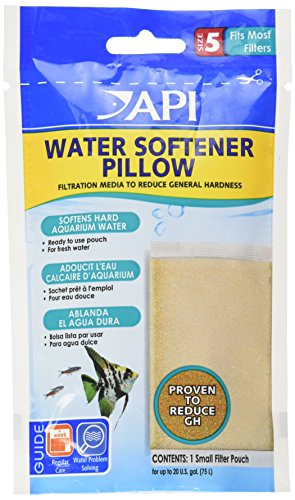
Contains one (1) API WATER SOFTENER PILLOW Aquarium Canister Filter Filtration Pouch 1-Count Bag
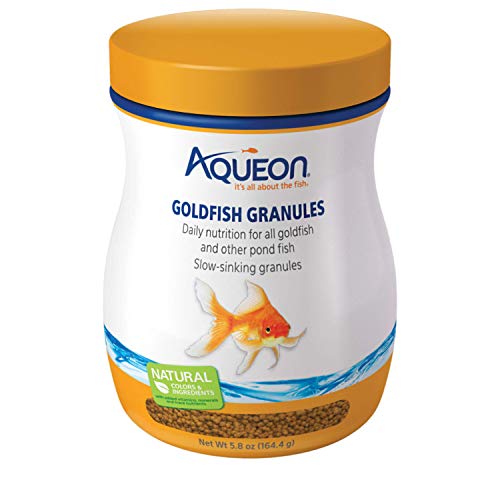
Natural ingredients and colors with added vitamins, minerals and trace nutrients
How to Recognize Signs That Your Fish Is Choking or Obstructed?
To recognize if your fish is choking or obstructed, watch for specific signs that indicate a problem. A visible object lodged in the mouth, throat, or gill area is a clear red flag, often involving food, substrate, or debris caught along the fish’s pathway. Rapid breathing or surface gasping suggests the fish is struggling to get enough oxygen, which often results from gill blockage or damage. Repetitive mouth movements, gurgling sounds, or gagging-like behaviors show the fish is trying to dislodge something stuck in its esophagus or throat. Additionally, behavioral distress such as weakness, inactivity, or unusual swimming patterns can signal an obstruction. Decorations or tank accessories interfering with normal movement or declining water quality can also contribute to these issues. Recognizing these signs early helps you intervene promptly, preventing further health complications for your fish. Being aware of the factors contributing to obstruction can help you maintain a healthier tank environment. Monitoring water quality parameters regularly ensures that poor water conditions don’t lead to stress or health problems that could worsen an obstruction.

Product size:18.3 Inch long coral precise spot feeding tube SPS HPS coral target feeder to avoid overfeeding.Please see the forth picture on the left to know how to use this...
What Should You Do Immediately If Your Fish Is Gasping or Struggling?
If your fish is gasping at the water surface or struggling to breathe, act immediately to improve oxygen levels. Start by increasing surface agitation; direct your aquarium filtration outlet toward the water surface to promote aeration. Adding or enhancing an air stone or pump can rapidly raise dissolved oxygen, which is especially crucial in saltwater tanks—skimmer aeration can also help. Perform a 30–50% water change with dechlorinated, temperature-matched water to remove toxins and improve water quality. Test water parameters such as ammonia, nitrite, nitrate, and pH to identify underlying issues. Remove stressors like dead fish or decaying plants and temporarily reduce feeding to decrease oxygen demand. Keep aeration strong and closely monitor your fish for signs of improvement. Additionally, regularly monitoring oxygen levels with test kits can help prevent future incidents and ensure your fish’s environment remains healthy. Ensuring proper tank size and filtration is also vital for maintaining adequate oxygen levels and a healthy aquatic environment. It’s important to remember that water circulation plays a key role in preventing oxygen deficiency and promoting a stable, thriving tank. Using effective aeration techniques can further optimize oxygenation within your aquarium.
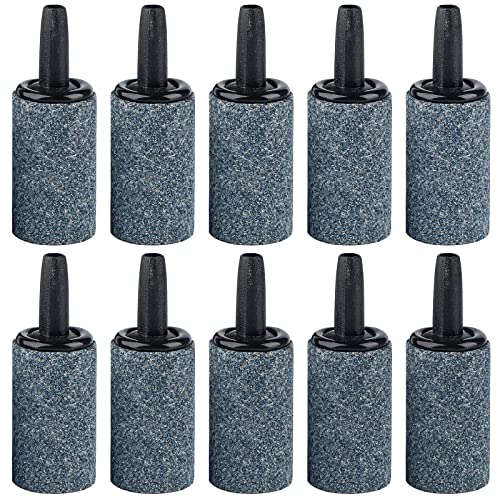
Tiny but Enduring: Each air stone measures 0.6" D x 1" H and weighs 0.3 oz. Tiny but well-constructed for continual bubbling. Ideal for small fish tanks or aquariums.

Widely applicable: suitable for small fish tanks and aquariums, helping extend the life of your nutrient solution

Fine bubble: Compared with ordinary bubble stone, creating more fine bubbles, makes the dissolved oxygen amount larger
Which Fish Are Most at Risk of Choking, and Why?
Fish with narrow mouths, small throats, or specialized feeding anatomy are most at risk of choking. These features make it difficult to swallow larger food items, such as pellets or sizable prey, increasing the chance of obstruction. Predatory species that swallow prey whole are particularly vulnerable if the prey exceeds their capacity or includes large, firm foods or bones. Bottom-dwelling or opportunistic feeders often ingest debris, gravel, or irregular-sized particles, which can block their airways. Juvenile fish are especially susceptible due to smaller mouths and throats, and poor water quality or inadequate filtration can worsen the risk by promoting overeating or increased competition. Overfeeding or providing food that does not match their size elevates choking hazards and should be avoided, especially when fish are stressed or injured. Proper equipment maintenance and correct feeding practices can help reduce these risks. Additionally, understanding the feeding habits of different species can aid in selecting appropriate food sizes and types, further minimizing choking incidents. Ensuring that food is appropriate for size and closely monitoring feeding times also plays a critical role in preventing choking.
How to Properly Size Fish Food to Avoid Blockages
To prevent blockages, size your fish food to match their mouth width. Pellets should be between 25% and 50% of your fish’s mouth size. For small fish, aim for pellets around 0.8 to 1.2 mm in diameter, while larger fish may need 3 mm pellets. Use the “One-Eye Rule” by feeding portions roughly equal in size to your fish’s eye to avoid overfeeding and potential obstructions. Always feed only what they can consume within two to three minutes and remove any uneaten food promptly. Properly portioned food promotes healthier digestion, reduces choking risks, and helps maintain clean water, creating a safer environment for your fish. Incorporating appropriate aquarium setup can also support better digestion and overall fish health. Proper sizing in relation to the fish’s mouth is crucial for preventing choking and ensuring efficient feeding. Consistency in sizing and attentive feeding are key to preventing blockages, especially when considering aquarium setup and water quality which support digestion and health.

GOLDFISH FORMULATION: Specially designed for use as a staple daily food for your goldfish.

High protein levels; consistent with the foods your fish would eat on the reef

Exceptional Nutritional Value: Mysis diluviana is naturally gut-loaded with Zooplankton and phytoplankton, making it rich in proteins, essential fatty acids, and nutrients, offering superior nutrition that supports the growth, health, and vibrant coloration of your fish.
Best Practices to Prevent Fish Choking During Feeding
To prevent fish choking during feeding, offering small, manageable portions is crucial. The size of the food should match your fish’s mouth and swallowing ability; generally, foods that can fit comfortably in their mouth are safest. Use feeding tools like teaspoons or small cups to control portion sizes, especially when feeding larger quantities or multiple fish. Break larger foods into smaller pieces, such as into cubes or tiny flakes, making them easier to swallow.
Stay present during feeding to observe your fish’s mouth movements. Watch for signs of distress, such as gulping or difficulty swallowing, and be ready to remove any pieces that seem too large or resistant. Choose softer, easily digestible foods like high-quality flake, gel, or pellet options designed for your fish species. Avoid hard, bulky, or resistant textures that are more likely to cause choking.
Maintain a clean tank with proper water filtration to prevent debris from mixing with the feed, which might obstruct your fish or cause feeding challenges. Remove uneaten food promptly after feeding to prevent it from decomposing and creating blockages or health issues. Establish regular mealtime routines with controlled portions to reduce competition among fish and minimize distractions, ensuring each fish eats safely without rushing or swallowing large bites. Additionally, understanding algae growth and how to control it can help keep your tank healthier overall, preventing debris buildup that could interfere with feeding. Following these practices helps your fish swallow safely and markedly lowers the risk of choking.

Easily Setup & 3 Kinds Smart Interval Feeding Modes: The Aoyar automatic fish feeder has 3 fixed feeding modes,just press the button on the settings page,it will automatically rotates feeding every 8/12/24 hours.Easily operation.You also can feed fish at any time via manaual modes ,enjoy the fun of feeding fish in your leisure time.(Small fish are recommended feeds every 24 hours).

Accurate Food Amount :Compared with ordinary fish feeders with only one compartment, Petbank updated automatic fish feeder contains 16 grids in total, which is able to provide 15 individual meals, convenient to store a variety of food. Each grid holds up to 2g, ensuring high food accuracy. Note: Please don't store fish food at the outlet compartment

Automatic Fish Feeder for Stress-Free Feeding – Ensure your fish stay well-fed while you’re busy, on vacation, or away from home. This fish feeder automatic dispenser provides reliable feeding for aquariums and fish tanks.
How to Detect and Address Obstructions in Your Fish Tank
Signs of obstructions in your fish tank can often be spotted through behavioral changes and physical signs. Look for symptoms such as lethargy, isolation from the group, or unusual mouth movements, which may indicate internal blockages. Check the vent area for trailing fecal material, swelling, or debris that could suggest a problem. Examine decorations, substrate, and filtration intakes for swallowed foreign objects like small stones or plant fragments. Poor water quality can exacerbate these issues or hide symptoms, so regularly monitor your water parameters. Signs such as bloating, abnormal buoyancy, or difficulty swimming are clear indicators of internal distress. If you notice persistent symptoms, isolate the affected fish and keep a record of their behavior to track changes. Early detection is critical for preventing further complications and maintaining your fish’s health.
When Is It Time to Seek Help From a Fish Veterinarian?
You should seek help from a fish veterinarian immediately if your fish shows signs of severe distress or physical injury. Symptoms such as gasping at the surface, sudden loss of buoyancy, or a complete refusal to eat for several days indicate serious health issues that require expert diagnosis. Visible injuries, abnormal swimming patterns, or rapid death of multiple fish also suggest internal problems or infections needing professional intervention.
Complex conditions such as growths, suspected parasites, or lodged foreign objects are beyond basic treatments and demand specialized procedures, including diagnostics or surgical removal. If foreign objects become lodged and cannot be removed safely, or if behavioral changes become extreme or worsening despite home treatment, consulting a vet is essential. Taking prompt action helps prevent further deterioration, supports overall marine health, and ensures your fish receive proper medical attention.