If you’re wondering how to give your freshwater aquarium the best start, you’ll want to understand aqua soil.
This specially designed substrate is made from volcanic earth, clays, and organic matter. It improves water conditions while supporting plant and fish health.
Keep reading to discover how aqua soil can transform your aquarium into a thriving aquatic environment.
What Is Aqua Soil and Why Do Aquarium Hobbyists Use It?
Aqua soil is a specialized type of substrate designed specifically for freshwater planted aquariums. It actively alters water chemistry by lowering pH levels and softening the water, which benefits many aquatic plants and fish species that thrive in more acidic, softer conditions. The substrate typically comes in porous granules or pellets, providing support for rooted plants and aiding in aquascaping. Its nutrient-rich composition encourages strong root development and vibrant coloration in plants. Proper lighting is essential, as it enhances plant growth by allowing photosynthesis to proceed efficiently in conjunction with the active nutrients in the aqua soil. When selecting aqua soil, consider the compatibility with your fish. Its acidic and softened water conditions are ideal for species like tetras and bettas, but may not suit fish that prefer harder, alkaline water. Overall, aqua soil creates a healthy, stable environment that promotes plant health and helps maintain water quality over time. Its composition includes clay combined with minerals and nutrients, baked into tiny beads, which further supports plant root development and nutrient retention. Additionally, maintaining the appropriate water parameters is crucial to maximize the benefits of aqua soil for your aquatic life, as understanding the chemical properties of the substrate can help you tailor your tank conditions more precisely. Ensuring the balance of nutrients is maintained over time will help sustain your aquatic ecosystem and prevent imbalances that could hinder plant growth.
What Materials Make Up Aqua Soil?
Aqua soil is primarily composed of volcanic earth, clays such as bentonite and montmorillonite, and organic matter like peat moss, humic acids, and earthworm castings. These materials work together to support healthy plant growth and maintain stable water chemistry. The volcanic earth provides essential minerals and nutrients, while the clay components help retain moisture and improve root anchorage. Organic matter buffers pH levels and enhances water retention, creating an ideal environment for aquatic plants. Additionally, soil granulation is a crucial process that transforms raw materials into stable, nutrient-rich beads suitable for aquarium use. The soil is processed into beads through a granulation method. This involves light roasting and firing at moderate temperatures to harden the granules while preserving porosity. This porosity is vital because it allows beneficial bacteria to thrive, promoting healthy biological activity. Binding agents such as Fullers earth and clay cat litter are added to ensure the beads keep their shape, prevent floating, and avoid clumping over time. The combination of these natural and processed materials results in a stable, nutrient-rich substrate that fosters vibrant plant roots and overall aquarium health. Furthermore, porosity and aeration are key factors influencing the effectiveness of aqua soil in providing a healthy environment for aquatic plants. An optimal balance of aeration encourages oxygen flow to roots and beneficial bacteria, which is essential for maintaining a healthy aquarium ecosystem.
How Does Aqua Soil Affect Water Chemistry and pH?
Aqua soil significantly affects your water chemistry and pH levels by actively interacting with the aquarium water. It releases hydrogen ions (H+), which naturally lower the pH and cause a gradual shift toward more acidic conditions. Typically, the pH stabilizes between 6.0 and 6.8, creating an environment ideal for many aquatic plants and soft-water fish species. Aqua soil also softens water by reducing mineral hardness, particularly calcium and magnesium, through a process called cation exchange. This softening helps maintain stable water parameters and minimizes stress on sensitive species. Additionally, aqua soil can limit algae growth by binding nutrients that promote algae proliferation. As a filtration medium, it effectively traps cations and supports consistent water quality. However, its buffering capacity generally diminishes after about a year, so routine water testing is essential to monitor and adjust water chemistry as needed. Buffering capacity of the soil varies among brands, influencing how long the pH remains stable.

Triple Washed and Kiln Dried: One of the cleanest aquarium sands available with no toxins, no foreign matter, and 100% natural sand composition

Seeded with bio-active live nitrifying bacteria

Aquarium Safe Material: 100% natural composition ensures safety for all aquatic life
What Are the Main Benefits of Using Aqua Soil for Your Aquarium?
Using aqua soil in your aquarium provides numerous benefits that support healthy plant growth and overall tank stability. It is particularly rich in essential nutrients like nitrogen, phosphorus, iron, potassium, and trace elements, which are released directly to plant roots. This results in quicker growth rates and more vibrant coloration, especially when combined with proper aquarium lighting and CO₂ injection. Modern formulations incorporate slow nutrient release technologies, ensuring a steady supply of nutrients over time and reducing the risk of algae outbreaks caused by nutrient swings. The porous, lightweight structure of aqua soil promotes strong root development and makes it easier for plants to anchor securely, reducing movement during aquascaping. Its excellent surface area also fosters beneficial bacteria, aiding biological filtration and helping maintain the nitrogen cycle by breaking down organic waste efficiently. Additionally, aqua soil minimizes water disturbance, keeping tank water clearer and simplifying routine maintenance. Its ability to create a balanced aquatic environment is another reason many aquarists prefer this substrate, as it encourages thriving aquatic plants and a stable ecosystem. Moreover, the nutrient retention properties of aqua soil help buffer sudden changes in water parameters, providing a more resilient environment for sensitive plant species. Proper selection and application of aqua soil can also enhance plant nutrient uptake, making it easier for roots to absorb essential minerals.

Seeded with bio-active live nitrifying bacteria
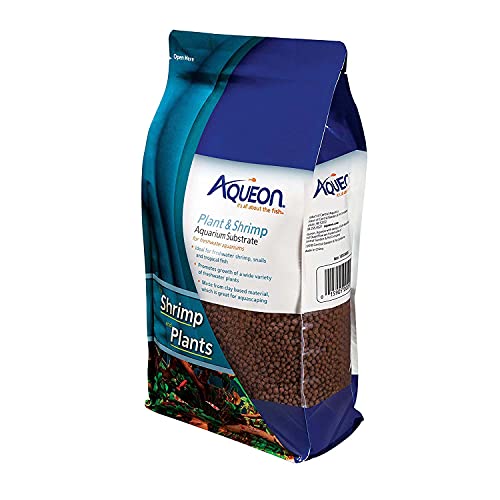
SUPPORTS HEALTHY PLANT GROWTH by providing a stable foundation for newly planted and established freshwater aquatic plants
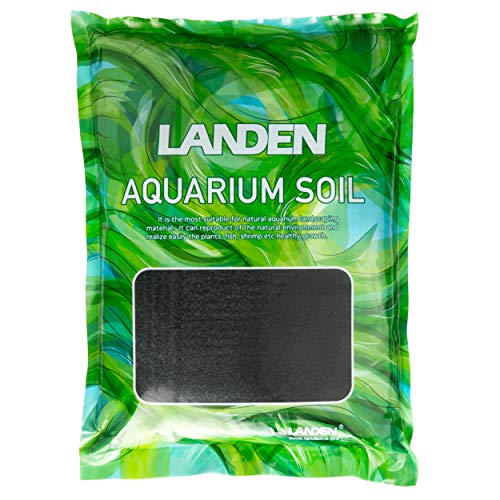
【Made by Nature】Made from specially processed natural material from the earth, Ideal natural planted aquarium substrate for most aquatic plants, provides healthy plant root system and for shrimps requiring softer water.
How Do You Set up an Aquarium With Aqua Soil? a Step-By-Step Guide
To set up your aquarium with aqua soil, start by choosing a sturdy, level stand that can support the weight of the filled tank. Rinse your empty tank thoroughly with clean water to remove any dust or residues—avoid using soap or detergents that could harm aquatic life. Gather all essential equipment, including a filter, heater, lighting, and planting tools, so everything is ready before filling the tank.
Plan your aquascape design carefully, considering the lighting spectrum needs of your plants and their placement for aesthetic balance. When adding aqua soil, lay down a base layer approximately 3 to 5 centimeters deep. Create a gentle slope from the front to the back of the tank to add depth and perspective. Lightly moisten the soil to reduce dust and help it settle, then shape it with tools to ensure it holds around hardscape features like rocks or wood. Be cautious to avoid compacting the soil too much, which can restrict water flow and root growth. Proper nutrient-rich substrate enhances plant growth, so choosing Aqua Soil can provide essential nutrients for a thriving planted tank. Incorporating aquarium substrate management techniques can also improve long-term plant health and overall tank stability. Additionally, ensuring the substrate is evenly distributed helps prevent uneven settling or algae growth issues later on.
Fill the tank slowly to prevent disturbing the soil layer. To do this, place a plate or a plastic bag on the substrate surface and pour water gently onto it. This diffusion method minimizes displacement of the aqua soil. Once the tank is filled, allow the environment to stabilize for a few days before planting. Use tweezers to carefully plant your aquatic plants, placing them with enough room for growth and creating a visually appealing layout.

Promotes Robust Plant Growth: This aquatic soil helps enrich plant development and fosters vigorous growth with vibrant coloration, ensuring your aquarium thrives with lush foliage

Triple Washed and Kiln Dried: This is one of the cleanest aquarium sands available, no toxins, no foreign matter, 100% natural sand

Bio-Active Live Nitrifying Bacteria: Seeded with bio-active live nitrifying bacteria which targets ammonia
How Do You Maintain Aqua Soil Over Time? Tips and Best Practices
To maintain aqua soil over time, focus on regular surface siphoning during weekly water changes. Remove organic debris from the top 1 centimeter of substrate to prevent buildup and algae growth, avoiding disturbance of deeper layers unless doing a full rework. As nutrients deplete after approximately 8 to 12 months, replenish nitrogen levels with root tabs containing ammoniacal nitrogen or by mixing in fresh aquasoil to restore fertility. Use gentle tools and minimal digging to avoid disturbing the soil’s structure and stability. Store unused aquasoil in lightly moist, airtight containers to prevent drying out or rotting. Limiting substrate movement and using soft water can help extend its lifespan. Regular monitoring of plant health and growth can help indicate when replenishment is needed. Every one to three years, replacing a portion of the aquasoil will promote the ongoing health and vitality of your aquarium. Proper maintenance and careful handling prevent nutrient depletion and can significantly extend the lifespan of your aqua soil and support healthy plant growth.
Are There Any Drawbacks or Downsides to Using Aqua Soil?
Using aqua soil can pose several drawbacks that you should be aware of. One significant concern is its impact on water chemistry during the initial setup. It can cause fluctuations in pH, KH, and release ammonia and nutrients into the water. This spike often requires frequent water testing and regular water changes to maintain a stable environment for your aquatic life. If not managed properly, the early nutrient release can promote algae growth, which might become problematic.
Another downside is that some aquasoils are less compatible with fertilizers. This limitation can hinder long-term plant growth unless you add appropriate fertilizers separately. Heavy filtration or strong water currents can also disturb the porous substrate, leading to cloudiness or silt buildup. Over extended periods, aqua soil may break down, losing its structural integrity and making maintenance more difficult.
These issues can increase your overall maintenance time and costs, requiring careful handling and ongoing vigilance to keep your aquarium healthy.
How Does Aqua Soil Compare to Inert Substrates Like Gravel or Sand?
Aqua soil actively interacts with your aquarium’s water chemistry, unlike inert substrates like gravel or sand. During startup, it can lower pH and soften the water, helping create an environment suitable for delicate plants and sensitive fish species. Because it releases nutrients directly into the plant root zone, aquascaping with aqua soil typically results in faster, denser plant growth compared to inert substrates. However, it requires more maintenance during the initial weeks to manage ammonia release as the soil establishes itself. In contrast, gravel and sand are inert, offering stable physical support with minimal impact on water chemistry. They require less ongoing maintenance but don’t contribute nutrients, meaning plants need additional fertilization. While aqua soil provides superior support for plant development, it tends to have a shorter lifespan and comes at a higher long-term cost. Gravel or sand remain physically stable over time, making them better suited for low-intervention or long-term stable setups. Additionally, water chemistry modification is a key feature that sets aqua soil apart from inert substrates. The nutrient release from aqua soil can significantly enhance plant growth but also necessitates careful monitoring to prevent imbalances.
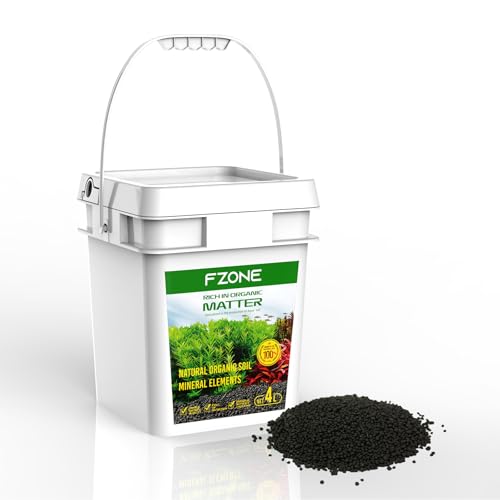
Nutrient-Rich Organic Formula:The aquarium substrate features a well-proportioned blend of organic matter, activated carbon, silica , soil, and minerals to provide essential nutrients and support a healthy planted aquarium ecosystem.

Aquarium Safe: 100% natural gravel substrate suitable for aquariums, terrariums and vivariums
Which Fish and Plants Benefit Most From Aqua Soil?
Softwater tropical fish like tetras, bettas, and small species that prefer lower pH and gentle waters benefit most from aquasoil. This substrate maintains a pH around 5.5 to 6.8, creating optimal conditions for these fish. Shrimp such as Crystal Red, Crystal Black, and Taiwan Bee thrive in aquasoil because it sustains a slightly acidic and soft water environment, essential for their health. Root-feeding plants, carpeting plants, and stem plants flourish in its nutrient-rich environment. Hardy plants like Anubias and Java Fern also grow well in aquasoil, benefiting from its ability to store nutrients. Overall, aquasoil is ideal for community tanks focusing on softwater fish, shrimp, and plant species that favor low pH and nutrient-rich substrates. Additionally, aquasoil’s water chemistry benefits help to maintain stable and healthy conditions for a variety of aquatic life. For optimal plant growth, aquasoil’s nutrient release capabilities provide essential nutrients over time, reducing the need for frequent fertilization. Its customizable properties also make it a versatile choice for different aquatic setups.

Promotes Robust Plant Growth: Stratum fosters vigorous plant development by facilitating easy root penetration and nutrient absorption, aiding in the acquisition of vital nutrients essential for growth
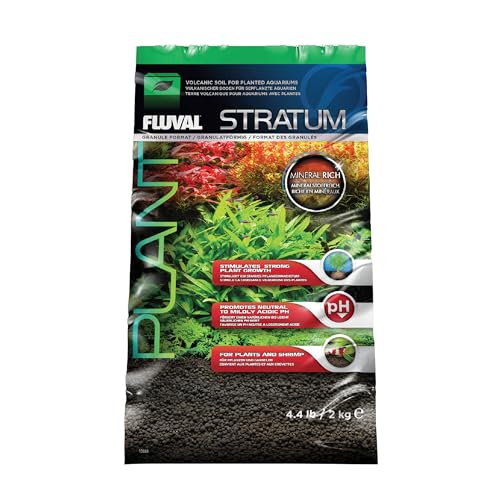
Facilitates Rapid and Beneficial Colonization: Its porous structure enables swift colonization of beneficial nitrifying organisms, fostering a healthy aquatic environment crucial for the well-being of aquarium inhabitants
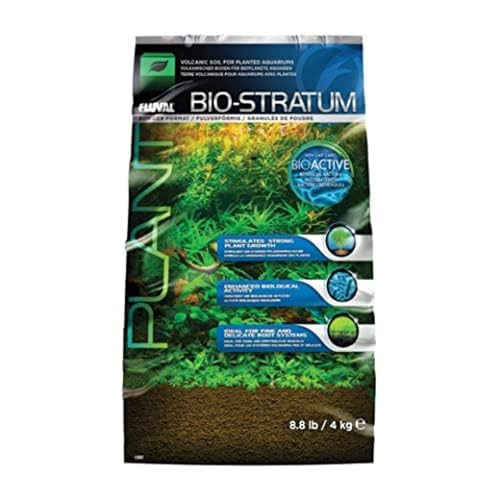
Promotes Robust Plant Growth: This aquatic soil helps enrich plant development and fosters vigorous growth with vibrant coloration, ensuring your aquarium thrives with lush foliage
Troubleshooting Common Issues With Aqua Soil in Your Aquarium
Water discoloration is a common issue when using aqua soil, mainly occurring when fine particles are stirred up during setup or movement within the tank. To minimize cloudiness, it’s essential to wash the soil thoroughly before adding it to your aquarium. Pouring water directly onto the soil during setup can lift particles into the water column, creating haze and promoting algae growth. Repositioning rocks or driftwood frequently can disturb the substrate, increasing the chances of algae buildup and cloudy water. If cloudiness persists, removing the water and refilling the tank can help clear the haze. Fresh aqua soil may also release ammonia initially, which can further fuel algae growth and affect water quality. Handling the soil carefully and cycling your tank early are key steps in preventing these issues and maintaining a clear, healthy environment. Properly washing the soil before use reduces residual fine particles, helping to prevent long-term cloudiness and water quality problems.