
Are you wondering how to keep your aquarium clean without stressing delicate fish or shrimp?
A sponge filter might be just what you need. It’s a simple, affordable, and energy-efficient way to biologically and mechanically filter your water, supporting healthy, happy aquatic life.
Keep reading to learn how it works and how to get the most out of this handy filtration method.
What Is a Sponge Filter Aquarium and How Does It Work?
A sponge filter aquarium uses a porous foam sponge as its main filtering medium, providing a straightforward yet effective way to keep your tank clean. Water is drawn into the sponge through an external air pump, which pushes air through airline tubing into the lift tube, producing bubbles that ascend through the water. These bubbles create suction, pulling water through the sponge walls and facilitating filtration. The design is simple, making it accessible for beginner aquarists and easy to maintain. As water passes through the sponge’s porous surface, solid debris such as uneaten food, algae, and waste particles are trapped, offering mechanical filtration. Simultaneously, beneficial bacteria naturally colonize the sponge surface, enabling biological filtration by converting harmful ammonia and nitrites into less toxic substances. Because the water flow is gentle, it creates a calm environment ideal for delicate aquatic species. Over time, bacterial colonies grow and establish within the sponge, enhancing biological filtration. This process helps maintain a balanced, healthy aquarium ecosystem by continuously breaking down toxins and supporting water quality. Making sure the sponge is regularly rinsed without using soap or chemicals is essential for maintaining biological filtration efficiency, which over time will improve the overall health of the aquarium. Properly managing beneficial bacteria colonization in the sponge is crucial for sustaining biological filtration. Using a sponge filter also reduces the need for frequent water changes, making aquarium maintenance easier for hobbyists. Such systems are especially suitable for small tanks, fry tanks, or tanks with sensitive species, where a low flow and reliable biological filtration matter most. This biological process not only benefits water quality but also helps reduce the frequency of water changes.
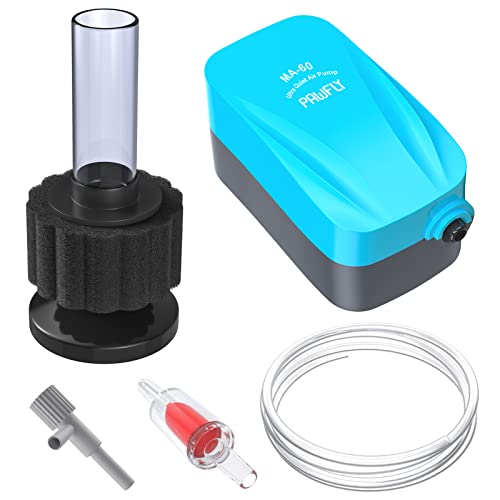
Fine Filtration Set: Driven by 40 GPH air pump, the sponge filter (1.5" D x 3" H) produces dense bubbles to increase oxygen content. Also trap and break down impurities to keep your tank crystal clear.

Easy Installation: Pass the lower column of the bracket through the pump hook, then clip the bracket on the wall of fish tank and rotate the knob to fasten the pump tightly.

Ultra-Quiet Operation: Driven by a thin piezoelectric ceramic plate, the fish tank air pump delivers gentle aeration at just 30 dB. Nearly as silent as a whisper! Perfect for bedrooms, offices, studies, and other spaces where peace matters
What Are the Main Parts of a Sponge Filter System?
The main parts of a sponge filter system include a porous foam cylinder, typically 4 to 6 inches in diameter, which acts as the core filtration media. This foam provides a large surface area for beneficial bacteria to colonize, supporting healthy water conditions and fish compatibility. At the center of the foam is a lift tube made of plastic or PVC, allowing airflow from the external pump to move through the sponge effectively. The entire unit is stabilized by a weighted base, often made of rubber or plastic, which rests securely on the tank bottom. External components consist of an electric air pump connected via flexible airline tubing, with strainers or bullseye connectors ensuring a secure fit to prevent leaks. Accessories such as ceramic media balls, suction cups, and cleaning brushes facilitate setup and maintenance, helping your aquarium plants thrive and ensuring your fish stay healthy. Additionally, understanding the main parts of a sponge filter system can help optimize your aquarium’s filtration setup. Regularly inspecting filtration components and cleaning them as needed will keep the system functioning efficiently. Proper maintenance of sponges and lift tubes is essential for continuous, effective filtration and removing debris from your tank.
Why Use a Sponge Filter? Benefits for Your Aquarium
Sponge filters are favored because they provide gentle, low-current filtration that minimizes water disturbance. This soft circulation creates a calm environment, making it ideal for maintaining compatibility among delicate fish species. The gentle flow reduces stress on fry, shrimp, and small fish, while also preventing injuries caused by strong water intakes. The porous sponge offers a large surface area for beneficial bacteria to colonize, supporting biological filtration and helping to control algae growth. Additionally, sponge filters are budget-friendly, simple to clean, and consume less energy, making them perfect for both beginners and experienced hobbyists. Their straightforward operation and safe design promote healthier, more stable tanks, especially when a peaceful water flow is a priority. Aquarium filtration] is essential for maintaining water quality, and sponge filters excel in providing effective biological filtration while maintaining a gentle environment.

Sponge filter provide both mechanical and bio filtration, also, the air infusion chamber produces minute bubbles which increase the oxygen solubility

Dimension: 8x4.5cm/3.2” x1.8”, the inside hole diameter is 2cm/0.8”; for a snug fit, check the size you need carefully before placing an order. The sponge's inner diameter accommodates filter intake within 0.8-1 inches (20–25.4 mm) due to its elastic properties.

Slim and compact design, hardly noticeable on the tank, great choice for nano and pico tanks up to 5 gallons.
Comparing Sponge Filters to Other Filtration Options: Which Is Best for You?
A sponge filter is the best choice if you prioritize gentle water flow and high biological filtration. They are especially suitable for tanks with shrimp, fry, or breeding setups where subtle movement minimizes stress and harm. Sponge filters are simple to operate, durable, and inexpensive to maintain. They rely on porous sponges that provide a large surface area for beneficial bacteria to colonize, effectively breaking down waste and maintaining water quality. Because of their low current output, they also create a calm environment, which is essential for sensitive or delicate aquatic life. Additionally, their filtering capabilities make them highly effective in establishing and maintaining a mature and stable tank environment. Their cost-effectiveness and ease of use contribute to their popularity among aquarists. While they might not be the best for heavy debris removal or tanks requiring vigorous circulation, their reliability and ease of use make them a popular option for specific setups.

Sponge filter provide both mechanical and bio filtration, also, the air infusion chamber produces minute bubbles which increase the oxygen solubility
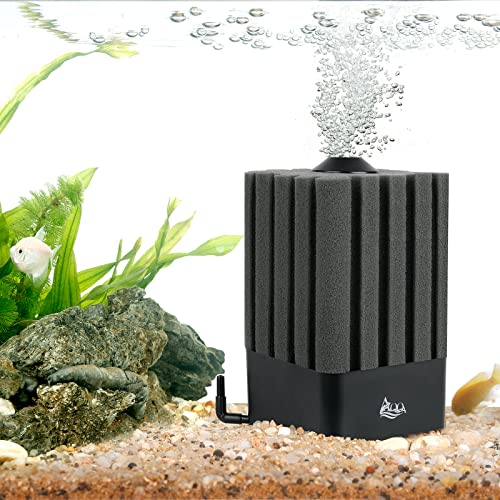
ULTRA QUIET AIR-POWERED FILTRATION - This aquarium sponge filter operates with an external air pump (not included) to deliver whisper-quiet performance that won't disturb your fish. The gentle water flow is ideal for betta, shrimp, fry, and other delicate aquatic life. Please prepare a suitable air pump and 4mm air hose for your tank size.

Fine Sponge Filtration: The sponge filters provide mechanical and bio filtration and traps debris or waste without sucking up your fish, keeping a crystal clear water tank.
How to Set Up a Sponge Filter in Your Tank: Step-by-Step Guide
To set up a sponge filter in your tank, start by rinsing the sponge and plastic parts in dechlorinated water to remove dust and residues. Slide the sponge onto the central stem until it fits snugly, ensuring it covers the opening completely for optimal filtration. Attach the uplift tube securely to the central stem, making sure it is stable and fits tightly. Proper placement ensures optimal water circulation and filtration efficiency. It is also important to consider the diet and feeding schedule of your aquatic animals to maintain a balanced environment. Place the filter in a back corner or along a side panel of your tank. Use any included suction cups to secure it firmly to reduce visual clutter and prevent movement. Connect the airline tubing from your pump to the filter’s air inlet. Insert a check valve in the airline to prevent water from backflowing into the pump. If your filter includes an air stone, seat it inside the lift tube for efficient air diffusion.
Turn on the pump and adjust the airflow until you see a steady stream of bubbles. Confirm that the filter remains stable and that the bubbles are quiet, indicating proper operation. Check that water flows evenly through the sponge—this ensures effective filtration and supports the health of your aquarium plants.
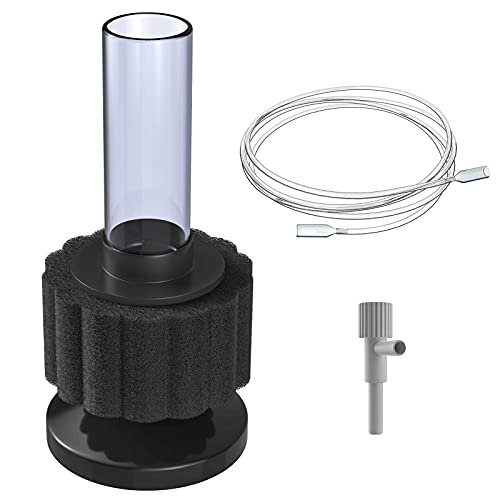
Fine Sponge Filtration: The bio sponge filter provides mechanical and biological filtration and traps debris or waste without sucking up your fish, keeping a crystal clear water tank.

Sponge filter provide both mechanical and biological filtration
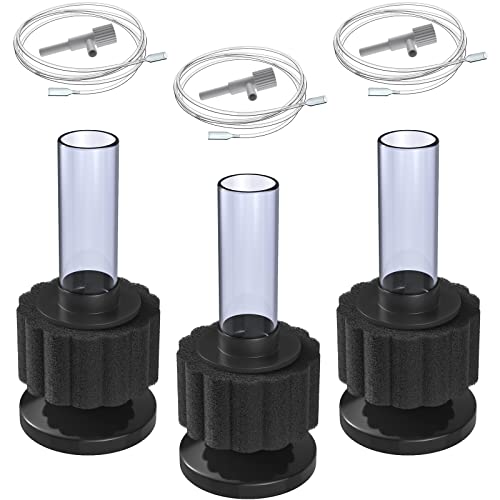
Fine Sponge Filtration: It provides mechanical and biological filtration and traps debris or waste without sucking up your fish, keeping a crystal clear water tank.
How to Maintain and Clean Your Sponge Filter for Maximum Efficiency
Regular maintenance is essential to keep your sponge filter functioning efficiently. About once a month, or more frequently if you notice a decline in water flow, clean the sponge to prevent algae buildup and ensure proper water circulation. Use old tank water during cleaning to protect the beneficial bacteria living on the sponge. Gently squeeze and swish the sponge in this water to loosen debris, avoiding aggressive scrubbing that can damage the foam. Rinse the sponge multiple times until the rinsate runs clearer, and pay attention to air collars and tubing to keep airflow unobstructed. Avoid using tap water, as chlorinated water can kill beneficial bacteria. Regularly inspect the sponge and related parts for signs of wear or damage. Remember, over-cleaning can remove too much beneficial bacteria, so preserve biological filtration while maintaining good water flow. Proper cleaning helps maintain the sponge’s durability and filtration efficiency over time, preventing the loss of beneficial bacteria. Additionally, using appropriate cleaning techniques can extend the lifespan of your sponge filter. Incorporating routine water testing can also help ensure your filter is maintaining optimal water quality.
Common Sponge Filter Problems and Simple Troubleshooting Tips
If your sponge filter isn’t bubbling properly, the issue is usually one of several common problems that are simple to troubleshoot. First, confirm that your air pump is functioning. If the pump isn’t running, no airflow will reach the filter, resulting in no bubbles. Next, inspect the airline tubing for kinks, disconnections, or clogs caused by debris, which can restrict airflow. Cleaning or replacing check valves may also improve performance if they’re dirty or faulty.
Reduced water flow often occurs if the sponge media is clogged with debris. Rinsing the sponge gently in tank water to clear out the buildup without damaging beneficial bacteria is recommended. If the sponge is old or deteriorated, replacing it will restore proper flow and filtration. Algae buildup on or around the intake can also block flow, so regularly check and clean the surrounding area. Proper filter maintenance, including thorough cleaning and timely replacement of worn parts, helps prevent these common problems. Additionally, checking the airline connections and fittings periodically ensures they’re secure and not causing leaks or flow issues. Being aware of the filter’s flow rate** and adjusting it if necessary ensures optimal performance and prevents stress on your fish. Furthermore, understanding the specific needs of your aquarium** can guide adjustments to flow rate, helping maintain a healthy environment.
What Factors Should You Consider Before Choosing a Sponge Filter?
Choosing the right sponge filter depends on several key factors that guarantee it effectively meets your aquarium’s needs. Start by assessing your tank size and bioload; select a filter rated for at least 20% more gallons than your aquarium holds to ensure adequate filtration. For larger or messier tanks, opt for bigger units or multiple filters to handle the increased waste. Small tanks typically require compact, medium, or dual-stage sponge filters.
Make sure the sponge provides both mechanical and biological filtration. Dense, porous, multi-layer foam supports beneficial bacteria that convert harmful ammonia and nitrites into less toxic nitrates. Proper filtration efficiency is essential to maintain a healthy environment. The filter’s flow rate should be gentle enough to prevent stress or damage to delicate aquatic life and breeding fish. Check that it is compatible with your air pump’s airflow capacity to achieve proper operation without over- or under-ventilating.
Water chemistry plays a vital role, so choose a filter that won’t interfere with pH, hardness, or other chemical balances. A healthy sponge filter contributes to a stable environment by fostering beneficial bacteria colonies. Additionally, ensure the sponge material is durable and resistant to mold and deterioration over time. Regular maintenance is crucial for preventing clogging and ensuring continuous filter performance. Lastly, prioritize build quality, installation size, and ease of maintenance, as these factors influence long-term performance and your convenience in keeping the filter functioning optimally.

Efficient Filtration: The high-density and unique structure of the sponge provide exceptional mechanical filtration. It effectively captures and removes impurities, suspended particles, and waste from the water, maintaining a clear and stable aquatic environment for the well-being of your aquatic organisms.

【Dual Filtration Technology】Combining sponge and ceramic filter media for powerful filtration and aeration.High density microporous biochemical cotton filtration with honeycomb structure breaks down harmful waste for a cleaner and healthier living environment.

[ Multi-filtration Functions ] this sponge aquarium filter combines bio-filtration, oxygenation and physical filtration in 1 and also makes small water flow, which can ensure the excellence of the water quality. Helps your small fish or shrimp to live a happy, healthy life. Note: NOT come with air pump
Tips to Maximize Biological Filtration With Your Sponge Filter
Maximizing biological filtration with your sponge filter depends on maintaining a steady, gentle water flow that ensures optimal contact between water and beneficial bacteria. Keep water movement gentle yet consistent to promote oxygen exchange and prevent disturbances that might disrupt bacterial colonies. Use coarse sponge media with 20–30 PPI (pores per inch), which provides ample space for bacteria to colonize without restricting water flow or oxygen delivery. Proper placement of the filter is crucial—position it to promote even circulation across the tank and avoid dead spots or stagnation areas. When cleaning sponge media, do so gently in tank water rather than tap water to preserve the beneficial bacteria. Regular maintenance prevents ammonia spikes and maintains healthy biological filtration. Adding extra sponge layers or staging media from coarse to finer types can enhance colonization and debris removal. Additionally, ensuring proper water quality management supports a thriving environment for beneficial bacteria, leading to more effective filtration. Good tank cycling practices are essential to establish and sustain a healthy bacterial population. For tanks with higher bioloads, increase cleaning frequency and monitor flow to ensure bacteria remain well-supplied with oxygen and nutrients, maximizing filtration efficiency. Proper placement and regular maintenance are key to supporting a healthy and stable biological filtration system.
Is a Sponge Filter Right for Your Aquarium? Factors to Keep in Mind
A sponge filter is suitable for small to medium tanks, typically up to 30 gallons. It offers gentle biological and mechanical filtration, making it ideal for delicate species such as shrimp or fry. These filters provide low water flow, which reduces stress on sensitive animals. However, larger tanks or those with a heavy bioload may require additional filtration because sponge filters alone might not keep water movement or debris removal adequate. Since sponge filters do not handle chemical filtration, you should regularly test your water for ammonia, nitrites, and nitrates, especially if your tank is densely stocked. If you prefer a simple, low-flow setup focused primarily on beneficial bacteria growth and biological filtration, a sponge filter can be a good choice. Just remember to perform routine maintenance to keep the flow steady and water quality high, and selecting the right size and capacity is crucial to ensure optimal performance and longevity for your tank.