Cleaning aquarium plants can be a tricky task, especially when trying to keep them healthy and algae-free.
You’ll want to remove debris, dead tissue, and pests while ensuring live and plastic plants receive proper care.
Knowing the right steps ensures your aquatic plants stay vibrant and your tank stays clean.
Keep reading to find out how to do it effectively.
How to Prepare Aquarium Plants for Cleaning
To prepare your aquarium plants for cleaning, start by removing any loose debris, dead tissue, and visible pests. Separate live plants from plastic ones, as they require different treatment approaches. Examine each plant carefully—sensitive species need shorter dips and weaker solutions. Use a clean container filled with fresh, dechlorinated water for rinsing and conditioning afterward. Prepare your cleaning solutions with care, following recommended ratios—such as vinegar or hydrogen peroxide—based on the plant type. Check leaves, stems, roots, and growth points for pests and damage. Proper preparation reduces plant stress, prevents algae outbreaks, and helps your plants recover quickly after cleaning. To ensure the best conditions, consider water quality and appropriate aquarium filter options to maintain water clarity and reduce the need for extensive cleaning. Additionally, understanding aquarium plant species can help you tailor your cleaning methods for different types of plants.
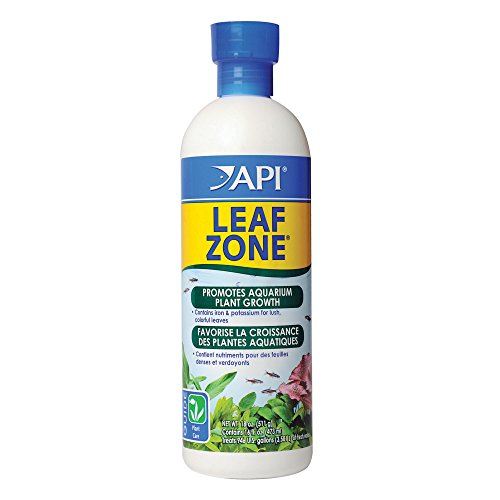
Contains one (1) API LEAF ZONE Freshwater Aquarium Plant Fertilizer 16-Ounce Bottle

Contains one (1) API ROOT TABS Freshwater Aquarium Plant Fertilizer 0. 4-Ounce 10-Count Box

POWERFUL ALGAE REMOVER FOR FISH TANK: MICROBE-LIFT Algaway 5.4 delivers fast-acting aquarium algae control; It eliminates green water, hair algae, and string algae to improve water clarity and reduce odor; EPA Registered for safety and reliability
How to Rinse and Remove Dirt From Plants
To rinse your aquarium plants and remove dirt effectively, hold them under lukewarm tap water. This temperature helps loosen dirt and debris without risking damage from hot or cold shocks. Rotate the plants slowly in the water to ensure all surfaces are exposed to the gentle flow. Focus on rinsing leaves, stems, and the leaf bases thoroughly until any dirt particles are washed away. Use natural rinsing water instead of harsh chemicals to avoid damaging delicate plant tissues. Be careful not to tear fragile leaves or break stems during this process. Before rinsing, manually remove any excess debris, dead leaves, or damaged parts using your fingers or clean scissors. Proper tank setup is essential to prevent introducing contaminants that could harm your aquatic environment. Additionally, ensuring optimal heat lighting conditions can promote healthy plant growth and prevent algae buildup. Maintaining suitable water parameters can also support the vitality of your aquatic plants by preventing nutrient imbalances. Following this careful rinsing method ensures your plants are clean, healthy, and ready for placement in your aquarium.
Safe Disinfection Methods for Aquarium Plants
Disinfecting aquarium plants can be done effectively with chemical dips that minimize stress and damage. Bleach dips are common; use a solution with a 1:19 ratio of bleach to water and keep the plants submerged for no more than 2 minutes. Afterward, rinse thoroughly in dechlorinated water to remove any residual chemicals, ensuring the roots are not harmed. Hydrogen peroxide dips, using a 3% solution—about 2 to 3 milliliters per gallon—for 3 to 5 minutes, are gentle but effective, helping to eliminate pests and pathogens with minimal damage. Potassium permanganate baths should last between 10 to 15 minutes; they disinfect thoroughly while preserving root integrity if plants are rinsed well afterward. Alum soaks involve a 2 to 3 hour immersion, reducing plant stress and maintaining root health during disinfection. Always rinse plants thoroughly after any chemical treatment to prevent residue buildup, which can interfere with nutrient absorption and overall health. Disinfection methods are essential for maintaining healthy aquarium plants and preventing the spread of diseases.

Product Type: ARTIFICIAL PLANT

Contains one (1) API STRESS ZYME Freshwater and Saltwater Aquarium Water Cleaning Solution 4-Ounce Bottle

Hornwort is a great starter plant for any aquaruim or pond. It grows well floating or planted. Provides great nutrient absobtion and oxygenation for the water.
How to Scrub Algae and Residues Effectively
To effectively scrub algae and residues from aquarium plants, focus on gentle, targeted techniques. Use soft tools such as a toothbrush, sponge, or algae pad to carefully scrub affected areas, especially on leaf tops and high-light surfaces where algae tends to accumulate. Applying light pressure prevents damage to delicate tissues while loosening debris and algae buildup. For more severe algae growth, removing the plant from the tank for controlled cleaning makes removal easier and prevents spreading to other plants. Light debris can also be dislodged by gently shaking or brushing the plant while it’s still in the tank. For stubborn patches, spot treatments using diluted hydrogen peroxide or vinegar solutions can be effective. Always rinse the plant thoroughly afterward to remove any residues and reduce the chance of recontamination. Maintaining proper water quality and regular cleaning routines are essential for preventing excessive algae growth, ensuring your plants stay healthy and clean over time.

HIGH QUALITY BRUSH:the aquarium brush made of high quality sponge,it could remove the alge quickly and effectively,keep your fish tank inhabitants a clean environment.

The aquarium brush made of high quality sponge, could remove the algae quickly and effectively, keep your fish tank a clean environment

100% dedicated to performance and clean environment
Thoroughly Rinse and Neutralize Disinfectants
After scrubbing algae and residues from your aquarium plants, thorough rinsing is essential to remove any remaining disinfectant traces. Use fresh, running water for at least 2 to 3 minutes, ensuring the water temperature matches the tank’s conditions. This prevents thermal shock that can harm delicate plants. Handle the plants gently to avoid damaging leaves and stems during rinsing. If the water appears discolored or foamy, repeat the rinsing process until it runs clear. This ensures all disinfectant residues, including chlorine, chloramine, heavy metals, and bleach traces, are neutralized. Additionally, ensuring proper plant placement and care after cleaning helps establish healthy growth. Proper rinsing guarantees your plants are safe and ready for reintroduction into your aquarium.
Reintroducing and Caring for Cleaned Aquarium Plants
To reintroduce and care for cleaned aquarium plants effectively, start by holding them in clean, dechlorinated water for 10 to 15 minutes. This brief period helps reduce residual treatments and stabilizes their tissues before planting. When placing plants back into the tank, use proper attachment techniques: anchor rhizome plants like Java fern and Anubias without burying the rhizome, and replant stem plants in their original upright orientation. Handle delicate species gently to avoid damage, and consider quarantine if you suspect pests or algae on the plants. After planting, ensure your aquarium receives bright, steady lighting and observe the plants closely for signs of shock or decay, such as wilting or discoloration. Remove any dead or decaying leaves promptly. Consistent maintenance, including proper lighting and timely pruning, supports healthy growth and helps your plants recover fully after cleaning or handling.