
Growing Java moss might seem tricky at first, but with the right setup, it can thrive and add a lush, natural look to your tank. The secret is creating a stable environment with gentle water flow, consistent temperatures, and proper attachment methods.
Keep reading to discover how to give your moss everything it needs to flourish and transform your aquatic space.
Why Java Moss Is Perfect for Beginners in Aquarium Care
Java moss is perfect for beginners because it is extremely hardy and forgiving. It tolerates a temperature range of 59–86°F (15–30°C) and pH levels from 5.0 to 8.0, so you don’t need perfectly balanced water chemistry to keep it alive. It adapts well to soft or moderately hard water, making it suitable for various tap-water conditions. Java moss requires minimal plant nutrition; it thrives on nutrients naturally present in a well-maintained tank, such as fish waste. Its low light requirements—around 0.5 watts per liter and 6 to 9 hours per day—make it easy to set up and maintain. Additionally, it can grow freely floating or attached to décor, which makes placement straightforward. Its resilience and low-maintenance needs make Java moss an excellent choice for hobbyists new to planted tanks. Moreover, Java moss can help improve tank health by providing shelter and reducing algae growth. Its versatility allows it to thrive in different tank environments, making it an especially easy plant for beginners to succeed with. Understanding water parameter tolerance helps ensure your Java moss remains healthy under varying conditions. Furthermore, its ability to adapt to various lighting conditions contributes to its popularity among aquarists at all skill levels.

Real Live Moss Variety Pack: Includes four pieces of naturally grown live moss, each approx. 3.5 x 7 in. Varieties may vary by season and may include Hypnum, Dicranum, Brachythecium, Racomitrium, or similar moss types.

LIVE AQUARIUM PLANT - 1 Java Moss (Taxiphyllum Barbieri) golf ball size portion

Swimming Creatures Live Aquarium Plants
How to Set Up the Best Environment for Java Moss Growth
Maintaining a stable environment is essential for healthy Java moss growth. Keep water conditions consistent by monitoring parameters regularly. Use soft, low to medium hardness water with a pH between 6.0 and 7.5, as these levels promote steady growth. Java moss can tolerate some brackish conditions, but freshwater is ideal. Gentle water movement prevents stagnation and reduces algae buildup, which can inhibit growth. Maintain a temperature between 70 and 75°F (21–24°C), as this range encourages dense, healthy moss development. Using appropriate water conditions helps optimize growth and vitality. Use low to moderate indirect lighting for 6 to 9 hours each day, avoiding direct sunlight that can dry out or scorch the moss. Regular water testing and maintenance are crucial to prevent algae and keep your Java moss vibrant and thriving. Additionally, understanding water parameters is key to creating an optimal environment for moss health. Monitoring water quality helps ensure the conditions stay within the ideal range for consistent growth.
Attaching Java Moss to Rocks, Driftwood, or Mesh
To attach Java moss securely to rocks, driftwood, or mesh, start by rinsing the surfaces thoroughly to remove debris and dirt. To achieve a natural and stable attachment, use materials like thread, fishing line, or zip ties. Black, green, or transparent fishing line and cotton thread are popular choices because they are discreet and aquarium-safe. Wrap these snugly around both the moss and the hardscape without squeezing too tightly, which could damage the moss or restrict its growth. Over the course of 3 to 4 weeks, the moss will naturally anchor itself as it establishes roots. Proper attachment techniques are essential for successful growth and stability in your aquascape. Water safety is essential when working with materials in an aquatic environment. For a quicker attachment, aquarium-safe super glue gel can be used. Apply a small amount directly on the surface of the hardscape and press the moss onto it. This method works especially well for small moss pieces or when immediate anchoring is needed. Be careful not to use excessive glue, as it can affect plant health or water quality. You can also create moss walls by using mesh or plastic canvas. Place the moss between the mesh layers and fasten them with thread or zip ties. Ensure the moss is pressed firmly against the surface for good contact. Using safe materials like these reduces the risk of harming your aquatic environment. When done correctly, proper setup can lead to a lush, healthy Java moss landscape in your tank. After attaching, trim any excess moss or loose threads and rinse the entire setup before placing it into your tank. Proper preparation and patience will ensure your Java moss becomes securely attached and thrives in your aquascape.

Reliable Airflow Connection - This standard airline tubing connects aquarium pumps to air stones, under-gravel filters, and decorative ornaments. A dependable solution for maintaining steady airflow during new setups, system upgrades, or routine tank maintenance.

【Fishing Wire Size】➤Fishing wire clear for hanging is approx.755 Feet/230m/252 yds in length,0.45mm (0.018in) diameter.Long enough nylon fishing line can meet your daily hanging and beading need.

BASIC NECESSITY FOR AQUARISTS: As aquarists and fish-keeping hobbyists know, it’s always good to have extra airline tubing on hand. Our Deluxe 3/16” Airline Tubing offers a great solution for various aquarium airline needs, such as connecting an air pump to an air stone, an under-gravel filter, or an aquarium ornament.
Creating the Ideal Water Conditions and Lighting for Java Moss
Maintaining stable water conditions and appropriate lighting is essential for healthy Java moss growth. Keep the water temperature between 68 and 75°F (20–24°C), as this range promotes rapid growth and overall health. Temperatures above 86°F (30°C) can cause stress and hinder development, so avoid fluctuations beyond this limit. Consistent filtration helps maintain water clarity and quality, providing a clean environment without creating strong currents that can disturb the moss. Additionally, monitoring water parameters regularly ensures that pH, temperature, and nutrient levels remain within optimal ranges for vibrant growth. Java moss prefers low to moderate light levels, approximately 0.5 watts per liter, or about 6 to 10 hours of light daily. Too much light encourages algae growth, which competes for nutrients and can smother the moss. Use gentle, diffuse lighting to prevent algae buildup and ensure the moss receives enough light for photosynthesis. Regular water changes of 15 to 20 percent weekly help keep nutrient levels balanced and prevent waste buildup, promoting vibrant, healthy growth. Maintaining a water pH between 6.0 and 7.5 completes the ideal conditions for your Java moss to thrive.
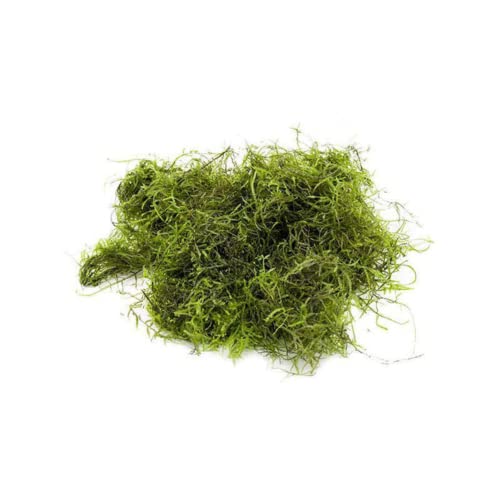
Brand: AquaPlants

💧3-Pack Shrimp Caves for Crawling & Exploring This set includes 3 round shrimp hides, designed to give small shrimp a place to crawl in and out, rest, and stay out of sight. Ideal for shrimp keepers looking to add structure to their shrimp tank setup.

How to Propagate Java Moss and Keep It Healthy
To propagate Java moss successfully, begin by selecting healthy, vibrant moss that is free from decay or algae. Use clean, sharp scissors or your fingers to divide the moss into small fragments or pinches, each containing multiple tips, as these will produce faster growth when propagated. These small clumps are ideal for starting new colonies, whether in containers or directly onto surfaces within your aquarium. Proper division increases growth speed by exposing more tips for new growth. Attach the moss fragments to surfaces such as driftwood or rocks using aquarium-safe glue, fine mesh, or thread. Ensure the fragments are firmly secured to encourage growth and prevent them from floating away. Proper attachment allows the moss to spread naturally as it establishes roots and new growth points. Maintain stable water conditions and provide moderate lighting to support healthy growth. Regular misting helps keep the moss moist and promotes lush coverage, especially during propagation. Avoid excess water stagnation that might encourage algae or decay. Occasional nutrient supplementation can also stimulate growth, but generally, consistent care and the right environment are enough for Java moss to flourish and propagate effectively.
Tips for Trimming and Managing Java Moss Overgrowth
To manage Java moss overgrowth effectively, start by trimming in small sections using sharp scissors or aquascaping shears. Focus on removing brown, yellowed, or dead areas first. Gradually thin thick patches to avoid stressing the moss and causing further damage. After trimming, immediately collect the cut pieces in a container or net to prevent floating fragments from attaching elsewhere in your aquarium. To keep debris under control, use a siphon or fine tubing to vacuum away debris, and turn off the filter during trimming to prevent scattering. Maintaining a moss thickness of about 2 to 3 centimeters improves water flow and minimizes debris buildup. Regularly remove trapped waste with a siphon or turkey baster to keep your Java moss healthy and manageable. Proper trimming techniques also help promote healthy regrowth and prevent overgrowth issues. Remember, regular maintenance is key to a thriving aquatic environment and supporting plant health through proper care. Additionally, understanding and maintaining water parameters helps create optimal conditions for Java moss growth and overall aquarium stability.
Troubleshooting Common Java Moss Problems and Long-Term Care
Troubleshooting common Java moss problems starts with identifying the root cause, whether it’s related to light, water parameters, nutrients, or flow. Low light slows growth and makes the moss sparse, while excessive light encourages algae growth. To minimize algae, reduce lighting duration or dim the lights. Water stability is critical; sudden changes in pH, temperature, or hardness cause browning or die-off. Regular water testing helps catch issues early. Nutrient deficiencies, especially a lack of nitrates or phosphates, weaken the moss, whereas excess nutrients promote algae growth. Controlling algae involves limiting light exposure, performing more frequent water changes, and adding algae-eaters if necessary. Gentle water flow and removing debris prevent stagnant areas that foster decay. Proper equipment maintenance is also essential, as it ensures the consistent performance of your setup. Maintaining these conditions supports the long-term health of your Java moss. Additionally, understanding water quality parameters helps you prevent imbalances that could harm your aquatic plants. Ensuring optimal water conditions can greatly improve the resilience and growth of Java moss over time.