
If you’re looking for aquarium plants that can flourish in gravel, you’re probably wondering which ones are easiest to care for.
The best options include Java fern, Anubias, Java moss, Vallisneria, and Amazon sword, all of which thrive in fine to medium-sized gravel and tolerate low light and minimal nutrients.
With proper planting techniques and water care, your plants will stay healthy and vibrant. Keep reading to discover detailed tips for success.
What Are the Best Aquarium Plants for Gravel Substrates?
Choosing the best aquarium plants for gravel substrates depends on their rooting and attachment habits. Rhizome plants like Java fern, Anubias, and Bucephalandra are excellent options because their rhizomes should not be buried. Instead, attach these plants to rocks or driftwood to prevent rot and promote healthy growth. They typically rely on nutrients from the water column, so attaching them to decor is effective for propagation. Rhizome plants tend to tolerate a variety of substrate conditions and are less prone to root rot when their rhizomes are kept above the substrate. Root-feeding plants such as Amazon sword, Cryptocoryne, and Dwarf sagittaria thrive when you provide nutrient supplements like root tabs. Their roots actively access nutrients directly from the substrate, so placing these fertilizers near their root zones boosts growth. Proper substrate fertilization is key to flourishing growth for these plants. Stem plants like Bacopa and Water wisteria are adaptable to gravel environments, especially when you optimize their lighting spectrum and nutrient absorption. Maintaining a nutrient-rich substrate can further enhance their development and overall health. Bright, full-spectrum lighting enhances their photosynthesis, leading to vigorous growth. These plants can be propagated easily by trimming and replanting cuttings, making them ideal for dynamic aquascapes. Mosses such as Java moss and attachable forms like Marimo moss balls grow effortlessly without deep planting. Simply attach them to decor or let them float. They absorb nutrients directly from the water, making them low-maintenance choices that add texture and greenery to your setup.

Promotes Robust Plant Growth: Stratum fosters vigorous plant development by facilitating easy root penetration and nutrient absorption, aiding in the acquisition of vital nutrients essential for growth
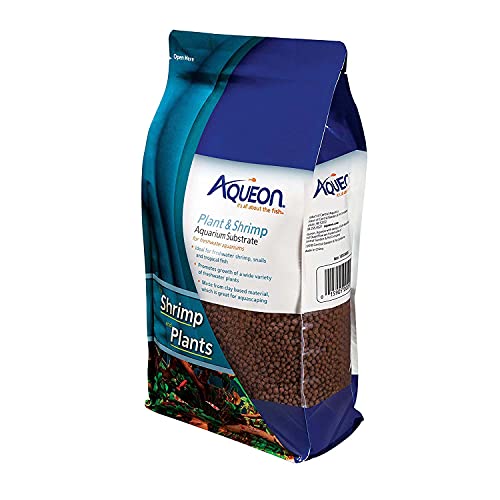
SUPPORTS HEALTHY PLANT GROWTH by providing a stable foundation for newly planted and established freshwater aquatic plants

Aquarium Safe Material: 100% natural composition ensures safety for all aquatic life
Which Gravel Plants Are Easy to Grow for Beginners?
Java Fern, Anubias, Java Moss, and Vallisneria are easy-to-grow aquarium plants suitable for beginners when planted in gravel. Java Fern attaches to rocks or driftwood without burying roots, requiring only low light and minimal nutrients. Its slow growth means you won’t need frequent pruning or propagation. Anubias also thrives when attached to decorations or gravel, tolerating low light and nutrient levels with little fuss. Java Moss quickly carpets the substrate, growing rapidly under moderate light and absorbing nutrients directly from the water, which simplifies maintenance. Vallisneria sends out long runners that root easily in gravel, growing fast enough to fill your tank rapidly. Selecting plants with hardy growth habits can make setting up your tank even easier, especially for beginner aquarists. These species are ideal for newcomers because they are forgiving, low-maintenance, and adaptable standard to conditions often found in home aquariums.

AQUARIUM GRAVEL: GloFish Aquarium Gravel creates a colorful base for all your GloFish ornaments.

AQUARIUM GRAVEL: GloFish Aquarium Gravel creates a colorful base for all your GloFish ornaments.

AQUARIUM GRAVEL: GloFish Aquarium Gravel creates a colorful base for all your GloFish ornaments.
How Do I Properly Plant Plants in Gravel for Healthy Growth?
To plant aquarium plants properly in gravel, create a stable environment that allows roots to develop and thrive. Use a gravel depth of about 2 inches for most plants, or 3 inches if you are planting taller or slower-growing varieties. Fine gravel between 1 and 3 millimeters makes it easier for roots to penetrate and establish. To plant, gently make a small hole using tweezers, a pencil, or chopstick; then place the roots into the hole, ensuring you do not bury the plant’s crown—the part where the roots meet the stem—to prevent rot. Most plants can grow successfully without specialized substrates, making gravel a suitable medium for healthy root development. Secure plants with small stones, plant weights, or attach them to hardscape features until roots stabilize. Maintaining proper gravel depth and spacing helps prevent compaction and promotes better oxygen flow to roots. Properly anchoring your plants and maintaining the correct gravel depth ensure they develop a strong root system that supports healthy growth and vibrant aquascapes. Additionally, regular monitoring and proper maintenance can reduce algae growth and support overall plant health. Ensuring good water quality and adequate lighting can further enhance plant growth and vitality.

【Pure Natural】 A mix of black, white, yellow, and red colors with a rough texture and irregular shape. With a name borrowed from the ancient Chinese mythology of Pangea, the texture and appearance of Pangea Sand without artificial embellishment provides a genuinely natural and pristine aesthetic to the aquarium, and what you create is a whole new aquatic world.
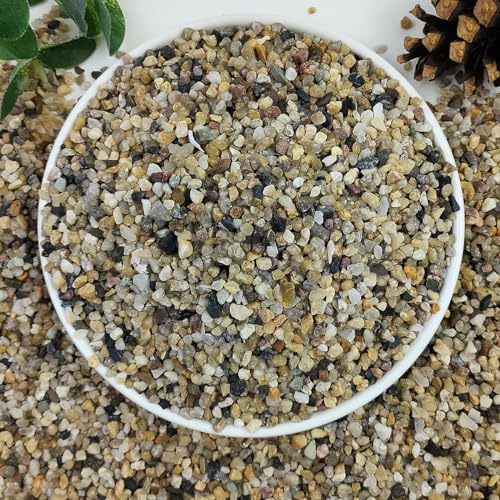
Natural Aquarium Gravel: No fading natural stones are non-toxic no additional fillers, dyes, or oils, these beautiful outdoor decorative rocks are perfect for fish tank, turtle tank, aquarium, garden, and any landscaping project
Natural Aquarium Gravel: No fading natural stones are non-toxic no additional fillers, dyes, or oils, these beautiful outdoor decorative rocks are perfect for fish tank, turtle tank, aquarium, garden, and any landscaping project
What Are the Top Root-Feeding and Epiphyte Plants for Gravel Aquariums?
Root-feeding plants like Amazon Sword, Vallisneria, Cryptocoryne, Dwarf Sagittaria, and Red Tiger Lotus are excellent choices for gravel aquariums because they actively absorb nutrients through their roots. These plants require a substrate at least 2 inches deep to thrive, with 3 inches being ideal for larger species. Using nutrient-rich substrates, such as planting media or enriched gravel, helps promote healthy growth. Root tabs placed beneath the roots supply essential nutrients directly to the plants, boosting their vitality. Proper placement and regular fertilization ensure these plants develop lush foliage and stay healthy over time. A deep substrate promotes healthier root development, which enhances the overall growth and vibrancy of rooted aquatic plants. Additionally, maintaining optimal water conditions is vital to ensure they flourish, especially when combined with nutrient supplements. Regular testing of water parameters can help detect and neutralize any issues that may hinder plant growth, ensuring a stable environment for root feeders.

GROWTH TREATMENT: Seachem Flourish Tabs are growth stimulating tablets for plant roots which contain essential trace elements, amino acids, and vitamins.

First-Time Use Guide: For your initial application of root tabs freshwater aquarium plant fertilizer, start with 80% of the recommended dose first. After monitoring the growth of your live aquarium plants for a period, adjust to the full recommended dose. The recommended dose for aquarium root tabs is placing 1 tab with a minimum 5-inch spacing on the tank bottom: 5 tabs for 5-gallon tanks, 10 tabs for 10-gallon tanks. You can increase or decrease 1-2 root tabs for aquarium plants based on the density of your planted aquarium plants live.

Comprehensive supplement for the planted aquarium
How Can I Maintain Gravel Plants With Minimal Effort?
To maintain gravel plants with minimal effort, focus on choosing hardy, low-maintenance species and creating optimal substrate conditions. Select plants like Anubias, Java fern, and slow-growing varieties that do not depend heavily on root nutrients, reducing the need for frequent fertilization. Use fine to medium-sized gravel with gentle water flow to improve oxygen and nutrient distribution, which helps minimize root disturbance. Plant root tabs near the roots and supplement with liquid fertilizers as needed to support steady growth without overfeeding. Keep your lighting moderate and appropriate for your plant types to prevent algae buildup and reduce trimming frequency. Regularly observe your plants for early signs of stress, such as discoloration or wilting, to catch issues promptly. Additionally, proper lighting and placement can further enhance plant health and growth, making maintenance even easier. Ensuring your aquarium’s water parameters are consistently maintained can also significantly contribute to the health and longevity of your gravel plants. Maintaining a stable environment and avoiding pest introduction can prevent infestations that may otherwise require more intensive care, helping your plants stay healthy with minimal ongoing effort.
Which Fertilizers Work Best in Gravel-Based Planted Tanks?
In gravel-based planted tanks, fertilized substrates and root tabs are the most effective way to deliver nutrients directly to plant roots, particularly for root feeders. These natural options release nutrients gradually and help maintain water stability by minimizing excess nutrients in the water column. Root tabs are especially important for inert gravel substrates, as they ensure plants have a steady supply of essential nutrients without releasing harmful excess. For plants that absorb nutrients through their leaves and stems—column feeders—liquid fertilizers like Easy Green and Seachem Flourish are the best choice. They are easy to dose, quickly absorbed, and help control nitrate levels in inert substrate setups. Combining fertilized substrate layers with liquid fertilizers creates a balanced approach that supports a wide variety of aquatic plants in gravel-only tanks. Using compatible fertilizers also minimizes algae growth and promotes healthier, more vibrant plant development. Understanding how plant nutrient absorption methods vary can help aquarists tailor their fertilization strategies for optimal growth. Additionally, selecting fertilizers that complement each other enhances overall nutrient uptake efficiency, ensuring plants thrive in gravel-based environments.
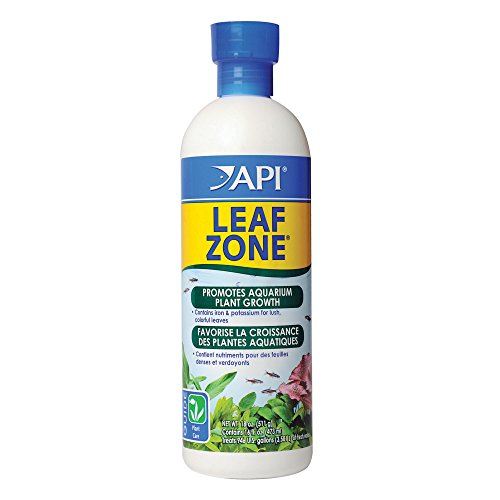
Contains one (1) API LEAF ZONE Freshwater Aquarium Plant Fertilizer 16-Ounce Bottle

COMPLETE ALL-IN-ONE NUTRITION – Thrive provides planted aquariums with a comprehensive blend of macronutrients, micronutrients and essential minerals in one easy-to-use liquid fertilizer.

SUPPLEMENT: Seachem Flourish is a comprehensive plant supplement for the natural freshwater aquarium, containing a rich assortment of important micro elements, trace elements and other nutrients.
Troubleshooting Common Problems With Gravel Aquarium Plants
To troubleshoot common problems with gravel aquarium plants, start by checking if your plants have yellowing leaves or holes. These signs often indicate a lack of essential nutrients, especially since inert gravel does not supply root nutrients. To address this, add root tabs or place nutrient-rich base layers to provide the necessary elements directly to the roots. Using appropriate gravel grain size can also significantly improve root stability and growth. Slow growth and weak rooting usually result from insufficient substrate depth or inappropriate grain size. Keep the gravel between 2 to 5 millimeters in diameter, and ensure the substrate is at least 2 inches deep to support healthy root development. Poor water circulation can create stagnant zones that encourage algae growth and stress your plants. Increase water movement with a suitable filter or powerhead, and consider reducing the light duration to help control algae outbreaks. Incorporating faster-growing plants or mosses can also outcompete algae for nutrients. Regular water changes and monitoring water parameters are essential to maintain a thriving environment for your gravel plants. Additionally, understanding aquarium plant nutrition can help you fine-tune your fertilization and substrate choices for optimal growth.