
Wondering how long your betta fish can go without eating? Usually, a healthy adult betta can survive up to a week without food, especially if conditions are good and it was well-fed beforehand.
But pushing beyond that can lead to health issues. Knowing the right fasting practices can keep your fish healthy and stress-free—here’s what you need to know.
How Long Can a Healthy Adult Betta Survive Without Food?
Healthy adult bettas can survive without food for about 7 to 10 days, assuming water conditions are stable and they were well fed beforehand. Their ability to endure fasting relies heavily on water chemistry; maintaining a stable pH, temperature, and cleanliness helps minimize stress and supports their health during this period. Smaller tanks tend to have more fluctuations in water quality, which can increase stress during fasting, while larger tanks promote greater stability. Around days 5 to 6 without food, bettas begin tapping into their energy reserves, but fasting longer than a week raises risks like muscle wasting and weakened immunity. Proper water quality is essential for helping bettas endure periods without food; regular monitoring and maintenance are crucial. While healthy bettas can survive roughly a week without food, extending beyond that may compromise their health. Ensuring proper water conditions and an adequately sized tank is key to supporting their fasting resilience, as a well-maintained aquarium helps reduce stress and supports overall fish health. Maintaining optimal water quality is essential for helping bettas endure periods without food.

WATER CONDITIONER: Makes tap water safe for bettas and other ornamental fish.

Contains one (1) API STRESS COAT Aquarium Water Conditioner 16-Ounce Bottle
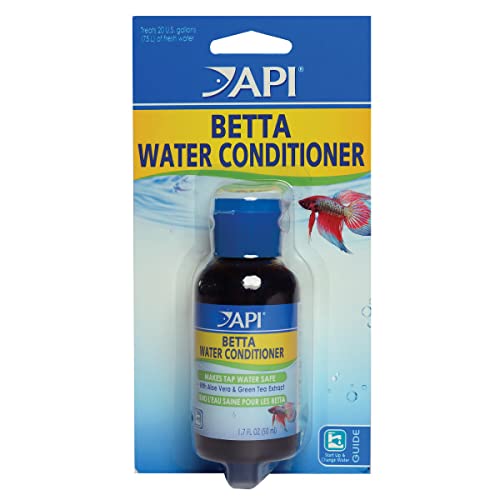
Contains one (1) API BETTA WATER CONDITIONER Betta Fish Freshwater Aquarium Water Conditioner 1.7-Ounce Bottle
What Is the Safe Fasting Duration During Travel or Missed Meals?
A betta fish can safely go without food for 2 to 4 days. This fasting period is generally acceptable for healthy adult bettas in a stable tank with proper decor, filtration, and water conditions. For short absences, feeding just before departure or skipping a day can help minimize stress and avoid overfeeding. If you’re traveling or expecting a missed meal, plan accordingly to ensure your fish’s safety. Using automatic feeders or enlisting a fish sitter can cover longer periods beyond 4 to 7 days, especially if tank conditions aren’t ideal. Always consider your betta’s health, age, and tank stability to determine the appropriate fasting duration. Maintaining good tank conditions and observing your fish’s behavior can also help you decide when fasting is necessary, and understanding the importance of proper filtration can support overall tank stability during these periods. Additionally, understanding the biosphere of the tank helps maintain a healthy environment for your fish during fasting periods.
Why Is Prolonged Fasting Risky for Your Betta’s Health?
Prolonged fasting is risky for your betta’s health because it can lead to severe health problems when extended beyond a few days. After about 72 hours, your betta begins to break down its muscle tissue for energy, which weakens its muscles and hampers movement. This muscle atrophy, combined with a slowed metabolism, makes normal activity and recovery more difficult. Behavioral signs like lethargy and sluggish swimming become more noticeable, indicating declining health. Proper aquarium maintenance and understanding your betta’s dietary needs are essential to prevent such issues.
Extended fasting can also cause nutritional deficiencies that impair organ function, emphasizing the importance of proper diet and feeding schedules. After around seven days of fasting, your betta’s immune system significantly weakens, increasing susceptibility to infections such as fin rot or bacterial diseases. Fasting for longer than five days puts additional strain on vital organs, heightening the risk of organ failure and fatty liver disease. These health issues highlight why extended fasting is unsafe: nutritional deficiencies and immune suppression make recovery harder and put your betta at serious risk of life-threatening conditions.

Betta fish food that contains up to 40%, nutrient-rich Black Soldier Fly Larvae, the first ingredient
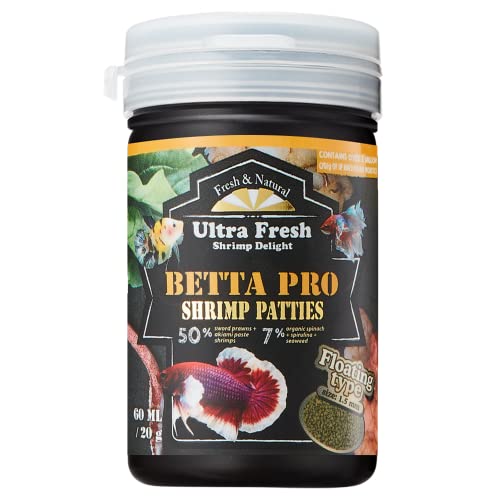
High Palatability : Sword Prawn Flavor - A blend of wild sword prawns, akiami paste shrimp, vegetables and seaweed. A perfect 8:2 meat/vegetable protein ratio even the pickiest betta can’t resist

BETTA FORMULATION: Nutritionally balanced diet is an ideal daily staple food for your Siamese fighting fish (betta splendens) and other top-water feeding tropical fish.
How Age and Health Impact Betta Fasting Tolerance
Age and health significantly influence your betta’s fasting tolerance. Juvenile bettas under 6 months can typically go no more than 24 hours without eating due to minimal fat stores and underdeveloped liver enzymes. Older, thriving adults with strong body reserves often endure 3 to 5 days without food. In optimal conditions, healthy bettas may sometimes survive up to 7 days fasting. However, bettas over 24 months tend to have decreased digestive efficiency and absorb nutrients more slowly, which limits their fasting capacity. Poor health, recent illness, or compromised body condition further reduce fasting tolerance because the body needs energy for immune responses and tissue repair. Proper husbandry and stable water quality also play vital roles in determining how long a betta can safely fast. Additionally, individual health and environmental conditions can further alter fasting capacity.

REPLICATES NATURAL HABITAT FOR VIBRANT COLORS Specially formulated to recreate a Betta's natural water conditions. By adding essential trace minerals and electrolytes to soft or RO water, it significantly reduces stress and enhances your Betta's natural, vibrant colors and daily activity.

Multi-Vitamin Formula: Water and tissue soluble vitamin supplement designed for freshwater fish in closed aquarium systems

Penn Plax Pro Balance 7-Day Betta Blocks Fish Food, Each Block is 0.75" Long x 0.5" Wide x 0.25" thic
How Tank Conditions Affect Fasting Safety for Betta Fish
Tank conditions are crucial for determining how long your betta can safely go without food. Maintaining water temperature between 78 and 80°F is ideal, as it supports stable metabolism and normal digestion, making short-term fasting less risky. Temperatures below 75–76°F can slow digestion, increase susceptibility to disease, and raise fasting risks. Fluctuations above 80°F can cause stress, further impairing health. Proper temperature regulation is essential for maintaining your betta’s health during fasting periods. Tank cleanliness is equally important—poor water quality from ammonia, nitrites, or nitrates increases physiological stress and reduces fasting tolerance. Overcrowding or unfiltered tanks trap waste and elevate toxin levels, risking ammonia spikes that harm your fish. Regular water testing, partial water changes, and keeping a cycled, clean tank help maintain a stable environment. Well-maintained tank conditions, with consistent temperature and water quality, also support the biological filtration process, which is vital for a healthy aquarium. Ensuring proper tank maintenance practices can help prevent issues that might reduce your betta’s fasting safety. Proper tank management and environmental stability extend your betta’s safe fasting period and support overall health.
Tips for Managing Betta Feeding During Absences
For short trips of 1 to 4 days, skipping meals or using automatic feeders with pre-measured portions is usually effective. Ensure the automatic feeder is reliable and programmed accurately to prevent overfeeding or missed feedings. It’s best to maintain consistent feeding habits leading up to your departure rather than giving large meals right before leaving. For longer absences, consider enlisting a backup caretaker or investing in a more advanced feeding system. Additionally, decorating the tank with hiding spots or plants can reduce your betta’s stress and help keep him calm during your absence, supporting his overall well-being.
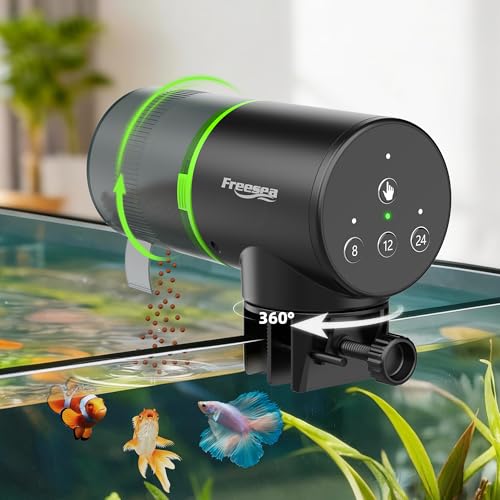
This automatic fish feeder for aquariums has 3 programmable timers, one-touch setup, 200ML food dispenser, adjustable portion control, 7-14 day auto feeding, fits powder and pellet food, freshwater, saltwater tanks, betta, goldfish, turtle, offering hands-free vacation feeding solutions.

[Small Auto Fish Feeder] Nano, mini fish feeder made for desktop and small tank. 30 ml Capacity perfect for 1/2/5/10 gallon aquariums, keeping you worry-free feeding at home or on vacation.

Easily Setup & 3 Kinds Smart Interval Feeding Modes: The Aoyar automatic fish feeder has 3 fixed feeding modes,just press the button on the settings page,it will automatically rotates feeding every 8/12/24 hours.Easily operation.You also can feed fish at any time via manaual modes ,enjoy the fun of feeding fish in your leisure time.(Small fish are recommended feeds every 24 hours).
Benefits of Short Fasts for Betta Digestion and Health
Short fasts lasting 1 to 3 days significantly benefit your betta’s digestion and overall health. During this period, fasting helps regulate gut motility, which prevents issues like constipation and bloating. It also allows the digestive system to recover from overfeeding, improving nutrient absorption efficiency and reducing sudden ammonia spikes that can harm your fish. In the wild, bettas naturally experience periods of fasting between meals, which aids in their digestive health. Short fasting periods encourage waste clearance, minimizing inflammation and promoting a healthy gut environment. Furthermore, fasting stabilizes metabolic rates, decreases oxidative stress, and enhances insulin sensitivity. These effects collectively strengthen your betta’s immune response and support long-term vitality. Proper reptile habitat setup and husbandry techniques play a crucial role in creating an environment that complements these health benefits. A healthy environment promotes stress reduction, which is essential for supporting natural fasting and digestion processes. Maintaining a stable and healthy water quality environment further enhances your betta’s ability to undergo these brief fasts without stress. By incorporating brief fasting into your care routine, you help ensure your betta remains resilient, active, and healthy.
When to Avoid Fasting and Seek Vet Care for Your Betta
Fasting your betta is not recommended when water quality is poor, as elevated ammonia or nitrite levels increase stress and raise the risk of disease symptoms. Overstocked tanks or those without proper filtration can cause ammonia spikes from decayed food, making fasting more dangerous. It is essential to maintain stable water chemistry; fluctuations can shorten the safe fasting window and lead to health issues. Avoid fasting if water parameters are inconsistent or if the tank is not properly cycled. Additionally, do not fast your betta when water temperature drops below 75–76°F, as cooler water weakens digestion and the immune system.
If your betta is young, thin, or underweight, fasting can cause rapid energy loss and further weaken its condition. Instead, seek veterinary advice to ensure proper care. Similarly, fish showing signs of illness—such as lethargy, faded colors, or prolonged bottom-hugging—should not be fasted. In these cases, consult a vet promptly to determine the underlying problem and start appropriate treatment. Proper tank conditions, including maintaining suitable water parameters and filtration, are crucial to support your betta’s health and recovery. Additionally, it’s helpful to monitor and control water quality regularly to prevent sudden changes that could impact fasting safety.
Post-Fasting Feeding Tips for Betta Fish
After fasting, reintroduce food gradually to prevent digestive upset and support recovery. Start with tiny portions of high-quality, easily digestible food such as soaked pellets combined with whole protein sources like krill or brine shrimp. Wait 2 to 3 minutes before offering more, and check your betta’s belly for gentle rounding—avoid bulging or flatness. Proper nutrition aids in color enhancement and can encourage natural breeding behaviors if your fish is ready to spawn. Feed adult bettas 1 to 2 times daily while maintaining a consistent schedule. Limit total daily intake to 3 to 4 pellets to prevent overfeeding. Keeping water conditions stable and minimizing stress will help your betta recover quickly and display vibrant colors, indicating good health.

Marine & Insect Power Proteins: This USA-made betta fish food pellet is packed with krill, shrimp, Pacific whiting, and Black Soldier Fly Larvae for a high-protein carnivore formula.

Bio-Technology provides active color enhancement

WHOLE ANTARCTIC KRILL FIRST - 45% min crude protein from krill, herring and sardine meals