
Worried about leaving your fish alone while you’re away? Keeping your aquatic friends healthy during a trip is easier than you might think.
With the right preparation, automatic feeders, and clear instructions, you can ensure your fish stay happy and well-nourished without stress.
Keep reading for simple tips to make your absence worry-free.
How Long Can Fish Survive Without Food?
Fish can typically survive between 3 to 5 days without food under normal conditions, especially if they are healthy adults. The duration depends largely on the species, age, health, and environmental factors such as water temperature and oxygen levels. Cold-water fish like goldfish can sometimes last up to 10 to 14 days without eating, but this extended fasting is not recommended regularly. Smaller tropical fish such as tetras or guppies tend to tolerate fasting for about 3 to 7 days, while bettas and cichlids fall within similar time frames. Young or stressed fish generally have shorter fasting limits, sometimes lasting only 1 to 2 days. Some fishes, especially wild ones, can survive longer periods without food depending on environmental conditions, but understanding their natural survival instincts can help you better determine when to feed or skip meals. This knowledge about fish fasting tolerance is crucial for maintaining their health during your absence. Overall, if you need to leave your fish without feeding for a few days, a window of 3 to 5 days is usually safe for healthy adult fish, particularly during short absences.

FEEDS FISH WHILE YOU’RE AWAY: Slow-release gel block is designed to nourish your tropical fish for up to 14 days.
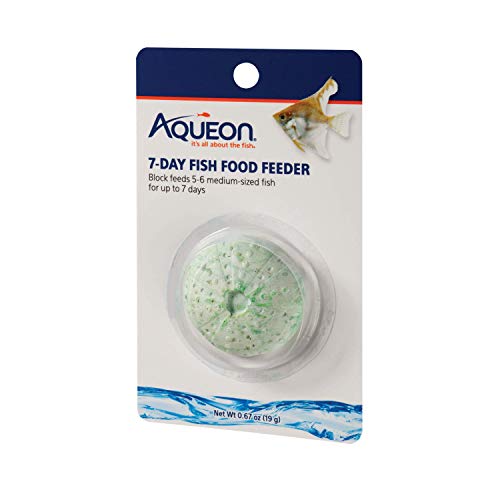
Nutritious food ingredients that fish are naturally attracted to

Nutritious food ingredients that fish are naturally attracted to
Prepping Your Tank Before Vacation
To ensure your tank is properly prepared before your vacation, start with water testing—check ammonia, nitrite, nitrate, and pH levels a few days ahead. Maintaining stable water parameters prevents stress and health issues for your aquatic pets. Perform a 20–30% water change 2 to 3 days prior, but avoid large, disruptive cleanings that could disturb the biological media or plants. Confirm that your filter is working correctly and clean or replace filter media such as sponge pads or filter socks to prevent clogs. Reducing the photoperiod with a timer helps prevent algae overgrowth while you’re away. Verify that your heater and thermometer keep the temperature steady, as fluctuations can stress fish and invertebrates. Inspections of tank decor and plants are essential to identify and remove debris or dead material, which can otherwise contribute to water quality issues. Additionally, ensuring proper tank maintenance can help prevent emergencies while you’re away. Checking the water parameters regularly leading up to your departure assists in maintaining a healthy environment during your absence. Finally, top off water levels slightly higher than usual and arrange for a trusted caretaker to check in if needed, ensuring your aquatic environment remains stable during your absence. Proper preparation minimizes the risk of emergencies or water quality issues while you’re away.
Choosing the Best Automatic Fish Feeder for Extended Trips
For trips lasting more than a few days, select an automatic fish feeder with at least a 7‑day food capacity. This ensures your fish receive consistent feeding without frequent refilling, reducing the risk of missed feedings if plans change. Programmable controllers with adjustable portion control are ideal because they allow you to customize feeding schedules based on your fish’s needs and your trip duration. Moisture-resistant units are also essential to prevent clogging and spoilage, especially in humid environments. Models with Wi‑Fi connectivity enable remote monitoring and control, giving you peace of mind that the feeder is functioning correctly. Auger-based feeders tend to offer precise portioning, making them suitable for species that require strict feeding quantities. Battery-powered options can be more reliable over longer periods, provided you select high-quality batteries and check them before departure. Batteries are an essential component for ensuring the feeder operates smoothly when power outages occur, and choosing models with long-lasting or rechargeable batteries can further enhance reliability. Regular maintenance and cleaning of your feeding system help prevent malfunctions and ensure consistent performance. Always test your chosen feeder at least three days before leaving to confirm it dispenses the correct amount of food. Additionally, selecting a reliable feeding system ensures consistent performance and minimizes disruptions during your absence. For added security, consider pairing your feeder with a backup plan such as manual feeding or automated tank maintenance to ensure your fish remain healthy and stress-free during extended trips. This combination helps keep your fish healthy and well-fed during extended absences.

Experience precision feeding with fishkeeper Automatic Fish Feeder for Aquarium: Unlike ordinary fish feeders with a single compartment, 2025 upgraded fish feeder automatic dispenser comprises 16 sealed grids, offering 15 separate meals and accommodating various types of food. Each compartment can store up to 2 grams of food. It also features portion control, allowing you to set the feeding frequency at specific times. Note: Please avoid storing fish food in the outlet compartment. The feeder is suitable for powders and granules between 0.1-4mm, not suitable for shrimp and flakes

Keep Your Pets Well-Fed: Don't let feeding time distract you from more important tasks! Our fish feeder automatic dispenser is here to help you not let your pets go hungry when you're busy, on vacation, or simply out of the house for the day.

2.4GHz Wi‑Fi & Tuya App: Set feeding schedules, trigger a manual feeding, and adjust portions from your phone. 2.4GHz Wi‑Fi only; 5GHz-only networks are not supported
Using Feeder Blocks: A Long-Lasting Feeding Solution
Feeder blocks typically last from three to seven days, depending on their size and your aquarium conditions. They provide a gradual food release, which minimizes daily feeding chores and helps maintain water quality. When using feeder blocks, ensure they are appropriate for your fish’s size and dietary needs. Observing uneaten portions is crucial because excess food can decay, leading to increased ammonia levels or cloudy water. To prevent water quality issues during an absence, perform a thorough water change before leaving, and choose a block that matches your fish’s consumption rate. Properly matched feeder blocks can significantly reduce the risk of water pollution, especially when choosing high-quality products that are designed for specific aquatic environments. Additionally, selecting suitable plants can help absorb excess nutrients and support overall tank health. This way, you avoid overfeeding and support a healthy environment for your aquatic life.

Now with high protein micro pellets
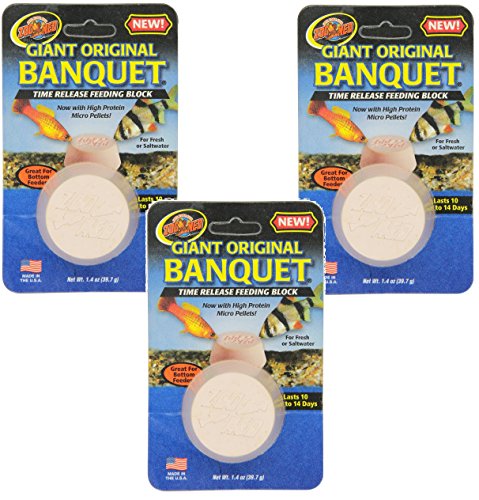
3 Pack Of Zoo Med Laboratories Giant Banquet Block Feeder.
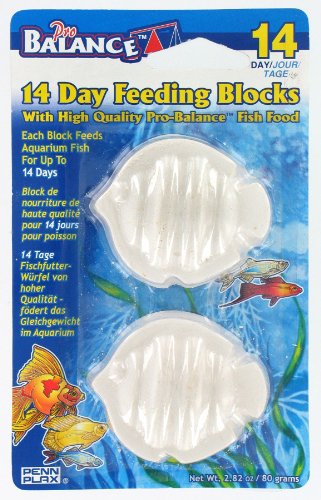
This package includes 2 fish-shaped feeders that can each feed 1-3 fish for up to 14 days.
Pre-Portioning Fish Food for Easy Feeding During Your Absence
Pre-portioning fish food into daily servings ensures your fish get the right amount during your absence and minimizes waste. Use small containers, labeled bags, pill organizers, or ice cube trays to divide the food accurately. Pellets or granules are preferable over flakes because they dispense more consistently and reduce mess. Test your portioning method for a few days beforehand to confirm each serving matches your fish’s typical diet, avoiding overfeeding or underfeeding. Proper aquarium plant care includes maintaining a balanced environment that supports healthy growth, which can also contribute to the overall health of your fish. Regularly inspecting your tank’s filtration system ensures it remains effective, providing a stable environment for your aquatic inhabitants. Clear, written instructions for your caregiver are essential, specifying feeding times, quantities, and emphasizing the importance of not over- or under-feeding. Proper pre-portioning simplifies feeding routines, helps maintain water quality, and reduces the risk of mistakes while you’re away. Understanding aquascaping tips can also enhance the appearance of your tank, making it more inviting for both you and your fish.

【360 Value Package】:This value package includes 360 set 2 oz jello shot cups with lids. Perfect for large party, commercial catering events and daily household use.
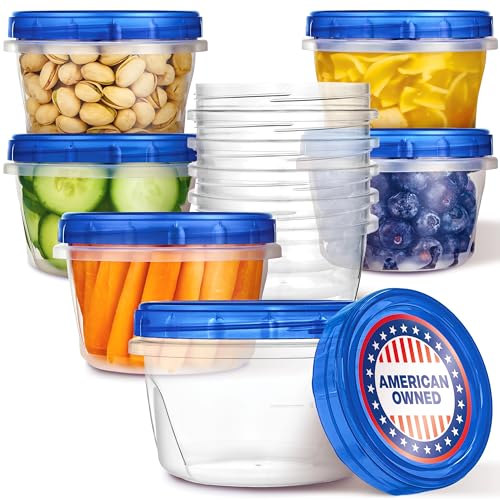
Space Saving: Save your leftovers in our screw top plastic containers instead of cumbersome baking dishes. Our small food storage containers are also designed to stack within themselves, further maximizing storage space in your kitchen.

🌾COLORED & ICON CODED: Food icon on the lids, Each container has a designated color and capacity, you can easily know that which food this container is for, Just fill our color-coded containers with specified food
Getting Your Water Quality Right Before Leaving
Before leaving, you must ensure your water quality is stable to keep your fish healthy during your absence. Start by testing water chemicals: ammonia, nitrite, nitrate, pH, and temperature. Ammonia and nitrite should both read 0 ppm; any detectable level signals water quality issues that need resolution. Keep nitrate levels under 40 ppm to avoid stress or health problems for your fish. Re-test the water two to three days before departure to make any necessary adjustments, giving yourself enough time to stabilize conditions. Regular testing helps catch issues early. Equipment maintenance is just as important. Clean filters with old tank water to preserve beneficial bacteria, and verify that heaters, pumps, and air stones are functioning properly. Replace any faulty gear to prevent failures during your time away. Performing a partial water change a few days prior helps to stabilize parameters and reduces the risk of sudden fluctuations. Additionally, understanding water stability and how to maintain it can greatly improve the resilience of your tank environment while you’re away. Regularly monitoring parameters like water chemistry can help detect deviations early. Establishing a consistent feeding schedule before your departure can further minimize stress for your aquatic inhabitants. Following these steps will help create a consistent, healthy environment and minimize potential issues while you’re gone.
How to Instruct Fish Sitters on Proper Feeding
Providing clear, written instructions for your fish sitter ensures your tank remains healthy and stable while you’re away. Specify exactly what to feed, including the type of food—such as flakes, pellets, or frozen options—and the appropriate serving size. Use pre-portioned meals stored in labeled baggies or containers to prevent overfeeding. Include a demonstration of the correct serving size with a practice run or a short video to make it clear.
Tell sitters to offer only as much food as the fish can consume in 2-3 minutes, and instruct them to remove any leftover food after five minutes to prevent water quality issues. Clearly explain where to place the food—target feeding directly to the fish or slowly dispensing from a feeder—and specify if any special equipment, like a timed feeder, is used. Mention the ideal tank temperature, typically around 75-78 degrees Fahrenheit for tropical fish, and where the thermometer is located for quick reference. If a feeding mistake occurs, such as missing a meal, avoid doubling the amount later.
Always include emergency contacts in case issues arise, whether it’s a pet store, veterinarian, or a nearby friend. Providing detailed instructions and demonstrations helps ensure your fish are well-fed and stress-free in your absence.
Setting Up a Feeding Schedule for Your Vacation
For trips lasting 0 to 3 days, you generally do not need to feed your fish, as many healthy adult fish can go without feeding for this short period without any issues. For trips of 4 to 7 days, an automatic feeder set to dispense conservative portions works well, but always double-check that the schedule prevents overfeeding. If you’re away for 1 to 2 weeks, pre-portioned food packets or trained feeders set to once daily or every other day are effective options, especially if your fish are grown and healthy. For longer trips, automated feeding systems or arrangements with a sitter providing pre-measured portions are best to ensure your fish are fed properly. Remember, young fish like fry need more frequent feeding, so standard vacation schedules may not be suitable for them. Always match the portion sizes to your fish’s normal intake or cut back slightly to ensure their safety during your absence. Proper planning ensures a stress-free experience for both you and your aquatic friends. Additionally, understanding feeding schedules and how long your fish can safely go without food can help prevent stress and health issues during longer absences. Being aware of fish metabolism can help you select the most appropriate feeding method for your situation, as metabolic rate varies among species and impacts their nutritional needs.

Easily Setup & 3 Kinds Smart Interval Feeding Modes: The Aoyar automatic fish feeder has 3 fixed feeding modes,just press the button on the settings page,it will automatically rotates feeding every 8/12/24 hours.Easily operation.You also can feed fish at any time via manaual modes ,enjoy the fun of feeding fish in your leisure time.(Small fish are recommended feeds every 24 hours).

Vacation Solution: Reliable automatic fish feeder for aquarium use; provides up to 7 day fish food vacation feeder capability; perfect for weekend fish feeder needs; ensures your fish are properly fed during your absence
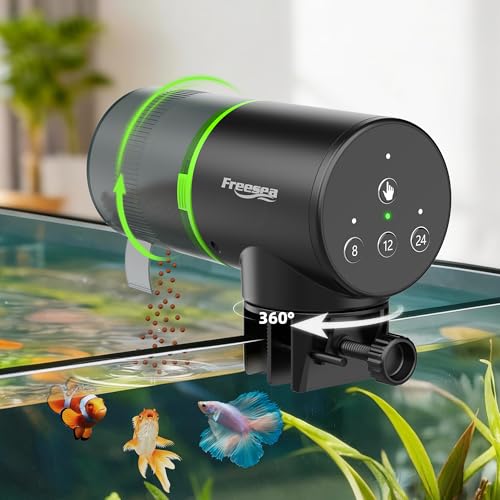
This automatic fish feeder for aquariums has 3 programmable timers, one-touch setup, 200ML food dispenser, adjustable portion control, 7-14 day auto feeding, fits powder and pellet food, freshwater, saltwater tanks, betta, goldfish, turtle, offering hands-free vacation feeding solutions.
Monitoring Tank Conditions While You’re Away
To monitor your tank conditions effectively while you’re away, start by testing water parameters several days before departure. Check ammonia, nitrite, nitrate, pH, and temperature to establish a stable baseline. Reef aquariums require daily testing for about a week to catch any harmful trends early. Correct unstable readings or elevated nutrients at least 2–3 days prior, performing water changes if necessary to stabilize conditions.
Utilize aquarium automation devices such as sensors and remote monitors to keep track of critical parameters like temperature, water level, and equipment operation. Set up alerts for these factors to get early warning of failures or issues. Ensure heaters and other essential equipment are working properly, especially during warm seasons, to maintain consistent tank temperature. Keep a supply of extra saltwater on hand for emergency top-offs, which helps prevent salinity swings.
Additionally, regular maintenance of equipment ensures all components function reliably during your absence. Finally, verify that all equipment, including automatic top-off systems and sensors, is cleaned, properly configured, and fully operational. Proper setup ensures your tank stays stable and your fish and corals remain healthy during your absence.
Post-Vacation: Checking Fish Health and Cleaning Up
After returning from vacation, you should conduct a thorough inspection of your tank and its inhabitants within the first 24 hours. Start by checking for any missing or dead fish and for signs of injury, disease, or stress, such as clamped fins or lethargy. Observe your fish’s feeding responses—reduced appetite or abnormal swimming may indicate hidden issues. Test water parameters including ammonia, nitrite, nitrate, and pH levels to identify any imbalances that could stress your fish or signal problems. Remove leftover food, debris, and excess waste, but be careful not to over-clean, as this can disturb beneficial bacteria that maintain water quality. If you notice signs of illness or abnormal behavior, quarantine affected fish to prevent the spread of disease. When unsure about a problem, consult a professional or veterinarian for accurate diagnosis before starting treatment. Keep a detailed record of your observations to inform ongoing care and prevent issues from worsening.