
Wondering what the right temperature should be in your leopard gecko’s tank? Keeping the warm side between 88 and 92°F for activity and digestion, with a basking spot around 90 to 95°F, is ideal.
The cooler side should stay between 75 and 82°F for resting.
Nighttime temperatures can safely dip to 65 to 75°F.
Proper heating setup and temperature control are key to your gecko’s health, and the details below will guide you to create the perfect environment.
Why Temperature Control Is Essential for Leopard Geckos
Maintaining a temperature gradient in your leopard gecko’s enclosure is crucial because it allows your gecko to thermoregulate effectively. One side should be kept between 88°F and 92°F (31°C to 33°C), providing a warm basking area that supports digestion, activity, and immune function. The cooler side should be around 75°F to 82°F (24°C to 28°C), giving your gecko a comfortable choice for cooling down and resting. Consistent thermal variation mimics natural conditions and encourages natural behaviors. Proper heating sources, like heat mats or ceramic heaters, should be used to prevent hot spots and ensure even heat distribution. Nighttime temperatures should not drop below 70°F (21°C), as colder temperatures can suppress immune responses and lead to health issues. Regularly monitor both sides of the enclosure with a reliable thermometer to make sure temperature levels stay within the ideal ranges. Additionally, understanding the importance of temperature control can help you maintain a healthy environment that promotes your gecko’s overall well-being. Adequate thermal regulation is also essential to prevent temperature fluctuations that can stress your animal and cause health problems. Ensuring proper lighting can also assist in maintaining the necessary thermal balance and support your gecko’s natural activity cycle.
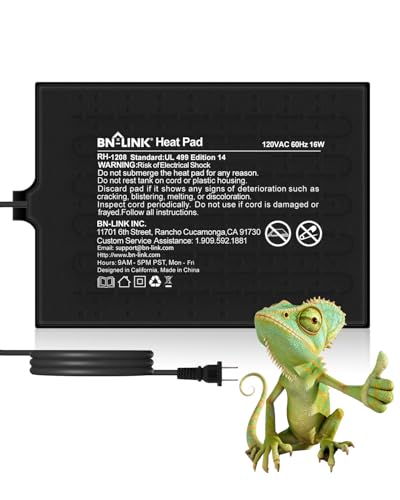
GREAT UTILITY: The BN-LINK Heating Pad for Reptiles is great for keeping your reptile tank warm, but never scorched. It’s also great for amphibian, small animal, or plant terrariums.

Lizard heating pad recommended for size: 8” x 6” ; Voltage: 120 volt; Power: 8 watt; Recommend for Medium 10-20 Gal Size. Please read instructions carefully before using. Recommend for Medium 10-20 Gal Size and it can easily put out steady heat between 104℉ and 122℉

GREAT UTILITY: The BN-LINK Heating Pad for Reptiles is great for keeping your reptile tank warm, but never scorched. It’s also great for amphibian, small animal, or plant terrariums.
What Are the Safe Habitat Temperature Ranges for Your Gecko?
The safe habitat temperature ranges for your leopard gecko are crucial for maintaining their health and well-being. The warm side should feature a basking surface around 94–97°F, providing a hot spot that supports digestion and activity. The warm hide floor should stay between 88–92°F, offering a comfortable resting area without overheating. Ambient temperature on the warm side should range from 80–85°F, ensuring your gecko stays warm but not excessively hot, with temperatures exceeding 95°F avoided to prevent heat stress. Using reliable thermometers to monitor these conditions consistently is essential for accurate temperature regulation. Proper temperature regulation enhances digestion, shedding, and overall vitality. Additionally, maintaining the correct habitat temperature helps prevent health issues and ensures your gecko thrives, particularly by avoiding temperature fluctuations that can cause stress. Maintaining consistent and suitable temperatures also supports their immune system and overall well-being. During nighttime hours, temperatures can safely decrease to around 60–75°F, which aligns with their natural environment and supports health.
How to Create a Temperature Gradient in Your Gecko Tank
To create a temperature gradient in your leopard gecko tank, position a heat source on one side only. Place a heat mat under about a third of the tank to provide a warm zone, and consider overhead lighting to add additional warmth. The overhead light helps establish a distinct warm area, while the opposite side remains unlit and cooler. Use substrate insulation beneath the heat source to prevent heat loss and maintain stable temperatures across the tank. Measure the temperature at both ends near the substrate with digital thermometers and adjust the thermostat accordingly to keep the warm side between 88°F and 92°F and the cool side around 75°F to 80°F. Proper temperature management is essential for leopard gecko health, including creating a temperature gradient, which allows them to regulate their body temperature naturally. Ensuring consistent temperatures helps support healthy digestion and activity levels. Ensure hides are evenly distributed on both sides so your gecko can easily select its preferred thermoregulation spot.

REPTILE HEATING PAD: Size: 8” x 12” ; Voltage: 120 volt; Power: 16 watt; Please read instructions carefully before using. Recommend for 30-40 gallon terrarium and it can easily put out steady heat between 104℉ and 122℉

UPGRADED DESIGN: Temperature can be adjusted manually. POWERFUL FUNCTION: Helps reptile for daily activity, appetite and metabolism. It can keep reptile tank warm without any harm to your pets and also won't disturb animals sleep pattern.

SPECIFICATIONS - Reptile heating pad Size: 8” x 12” ; Voltage: 120 volt; Power: 16 watt; perfect for a 30 -40 gallon terrarium. It can easily put out steady heat between 104℉ and 122℉, Digital Reptile Thermostat temperature display range is 32 -140°F
Setting Up the Basking Spot for Optimal Surface Temperatures
To achieve the ideal basking surface temperature for your leopard gecko, use an overhead light such as a basking lamp with a durable bulb that provides steady heat without flickering or burning out quickly. Position the lamp to create a distinct hotspot on the substrate. Measure this surface temperature with a digital infrared thermometer, aiming for a range between 90 and 95°F (32–35°C). Substrates like tile or reptile carpet conduct heat better than loose options, helping to maintain an even temperature across the basking area. Always match your thermostat to your heat source to prevent sudden temperature spikes or drops. The basking spot should be warm enough for your gecko to thermoregulate comfortably but not so hot that it risks burns or stress. Proper setup ensures your gecko stays healthy and comfortable. Using appropriate substrates can also help maintain consistent temperatures and improve overall comfort. Additionally, maintaining proper humidity levels is important for your gecko’s overall health and shedding process. Proper temperature regulation techniques are essential for creating a safe and effective habitat environment.

【Newly Upgraded Bell-Mouth Design】 :This newly upgraded heating lamp with a TFNN bell-mouth design provides a wider range of UVA/B ultraviolet rays compared to the design of ordinary models. It can simultaneously heat and illuminate multiple reptiles. The light is adjustable, making it suitable for different seasons and various reptiles, and it is extremely convenient to use.
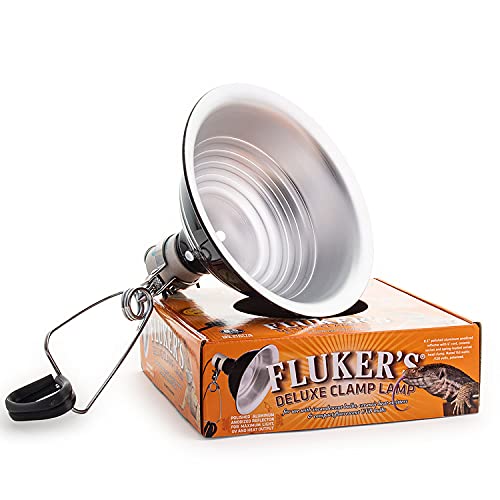
Optimal Heating for Reptiles: Fluker's Repta-Clamp Lamp is a UL/CUL approved 8.5 inch heating clamp designed to create the perfect basking environment for your reptiles.

Enhances UVB & Light Reflection: The reptile light fixture focuses the light emitted by the bulb, ensuring even distribution across the entire illumination area. The polished interior surface greatly enhances light reflection, minimizing losses of both light and UVB. This reflective effect optimizes the efficiency of the light source, promoting the health and growth of reptiles
Managing Night Temperatures for Safe and Comfortable Rest
Maintaining a stable, comfortable night temperature is essential for your leopard gecko’s health. Aim to keep it between 65–75°F, with the optimal range being around 67–74°F. Temperatures below 60°F increase the risk of suppressing your gecko’s immune system and can lead to health issues. A gentle cooling period at night reflects their natural behaviors and helps reinforce a proper day-night cycle. Proper thermoregulation ensures your gecko gets restful sleep and stays healthy in the long run. Most of the time, no supplemental heat is required if your room stays within the safe temperature range. However, if your room drops below 65°F, consider using a heat source with a thermostat to prevent overheating and maintain stability. Always focus on creating a comfortable, stable environment rather than replicating daytime heat levels during nighttime. Effective temperature management is key to providing a healthy habitat for your reptile. Additionally, understanding the safe temperature range helps prevent health complications and promotes overall well-being. To achieve this, monitoring your habitat with a reliable thermometer ensures your gecko remains within the ideal temperature parameters at all times.
How to Monitor and Adjust Temperatures Effectively
To monitor your leopard gecko’s tank temperature effectively, you need to use multiple reliable tools placed correctly. Calibrate thermometers regularly, especially digital probes, which are the most dependable. Place probes a few inches above the substrate on the warm and cool sides of the tank to accurately measure ambient temperatures and verify the temperature gradient. Use infrared temperature guns for quick, spot checks of basking spots and surfaces to confirm probe readings. It’s important to check multiple points—such as the warm area, cool area, and basking surface—every day to ensure the temperature remains within the safe range and to detect any drift. Adjust your thermostats accordingly, setting them to maintain around 88–93°F for basking spots and 70–77°F for cooler zones. Proper temperature control is essential because reptiles are ectothermic and rely heavily on environmental heat sources to maintain healthy body functions. Consistent daily monitoring during setup and ongoing care is key to maintaining a stable and safe environment for your gecko.
Maintaining Proper Humidity Levels Alongside Temperature
Maintaining proper humidity levels is crucial for your leopard gecko’s health and comfort, especially when temperature control is already in place. Keep the enclosure’s relative humidity around 30–40%. Short-term fluctuations to 25–50% are acceptable if a humid hide is available to provide additional moisture. Use a hygrometer at gecko level to monitor humidity accurately, considering both ventilation and substrate moisture. Good enclosure ventilation helps prevent excess humidity, which can lead to respiratory infections and other illnesses. To lower humidity, increase airflow and reduce damp substrate. To raise it, add moss patches or a larger water dish. Always keep the main enclosure dry, allowing moisture only in the humid hide. Proper humidity management strikes a balance, mimicking the dry conditions leopard geckos are adapted to and supporting healthy shedding. Incorporating substrate moisture control can further help maintain consistent humidity levels within the ideal range. Regularly checking humidity levels ensures that your gecko’s environment remains suitable and prevents problems caused by improper humidity. Additionally, understanding the role of enclosure ventilation in humidity regulation can optimize the overall environment for your gecko’s wellbeing.
Common Temperature-Related Problems and How to Fix Them
Temperature-related problems with your leopard gecko’s tank often result from incorrect heat levels or poor regulation. These issues can cause health risks and discomfort for your pet. A tank that’s too cold can slow digestion, decrease activity, and reduce appetite. To prevent this, verify temperatures with multiple thermometers or an infrared gun, ensuring consistent readings. Conversely, a too-hot environment can cause burns and overheating, leading your gecko to seek cooler spots or avoid areas entirely.
A weak temperature gradient makes it difficult for your gecko to self-regulate its body temperature, which is essential for healthy thermoregulation. This happens when there are large temperature gaps or uneven heat distribution within the tank. Common causes include inaccurate thermometers and unregulated heat sources. To fix these issues, regularly check and adjust your thermostat settings, inspect heating equipment for proper functioning, and keep the tank cleaned to prevent hotspots. Maintaining a stable environment is crucial to supporting your gecko’s health and well-being. Proper water parameter testing and adjustments are also vital for overall tank stability and health. Additionally, using accurate thermometers can help you monitor and maintain consistent temperatures more effectively.

The Light Dome with heat resistant ceramic socket can accommodate either reptile heat lamp or reptile basking bulb and ceramic heat emitter (Max. 150W).
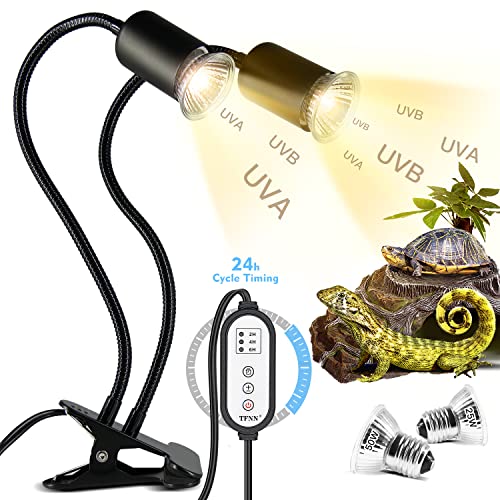
Intelligent Design:Reptile heat lamp with intelligent cycle timing design, once set to turn on/off automatically, every 24 hours at the same time to turn on the light, automatic cycle, no need to turn off manually every day, convenient and time saving. The glass tube extends the life of the bulb, simulates the solar spectrum, increases temperature, replenishes calcium and provides more direct sunlight and higher UV radiation.

Strong Suction Mount for Glass Tanks - Designed with a powerful suction base that securely attaches to smooth glass and acrylic terrariums without bulky clips or brackets. Cleaner setup, better stability, and more space for your reptile habitat
Best Heating Equipment for Reliable Thermal Regulation
Overhead halogen lighting is the best primary heat source because it closely mimics natural sunlight, providing a proper spectrum and a basking zone temperatures around 94–100°F. This setup encourages natural behaviors and helps regulate your gecko’s activity cycles. Pair the halogen light with a dimming thermostat to prevent overheating, ensuring the temperature stays stable and within safe limits. Proper spectrum of light is essential for maintaining healthy visual and behavioral functions in leopard geckos. For secondary heat sources, consider deep heat projectors or carbon heat projectors, which add extra warmth on the warm side of the enclosure. These help maintain ambient temperatures between 85 and 92°F, especially during cooler periods or nighttime. Heat mats and ceramic heat emitters can serve as backup options, but they must always be connected to thermostats to prevent potential overheating.
Ensure your enclosure has adequate ventilation to avoid heat buildup and support consistent airflow. Proper ventilation helps maintain reliable thermal regulation, preventing temperature swings and promoting a healthy environment for your leopard gecko. Additionally, ventilation systems are vital for reducing excess humidity and preventing mold growth inside the habitat.

【Great Value】REPTIZOO reptile light fixture with dimming thermostat is great for helping you create a suitable temperature range for your pets. The reptile fixture is ETL certified, apply E26 ceramics lamp cap, can bear Max 100W. (Heat bulbs NOT included )

Directs heat and light toward a specific area for basking reptiles.Controller type:Push Button
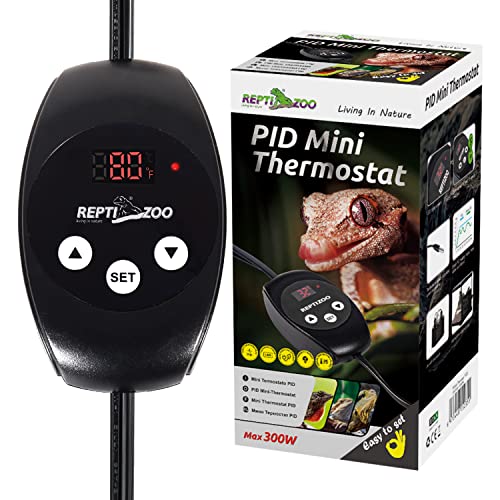
【Dimming Reptile Thermostat】The dimming thermostat is a very accurate temperature control method. It's designed specifically for controlling heat lamps, smart PID heating mode is more stable and efficient which can improve bulb lifetime. Although it’s perfect for heat bulbs, it’s also suitable for almost any heaters. (DO NOT use it with sunlamp)
Troubleshooting Temperature Fluctuations: Tips for Long-Term Stability
To ensure long-term stability in temperature control, focus on maintaining a consistent thermal gradient within your enclosure. This involves selecting appropriate substrates that retain heat effectively and using vapor barriers to minimize heat loss. Creating distinct warm and cool zones is preferable to maintaining a uniform temperature; aim for the warm side to be around 86–98°F and the cool side at 70–77°F. Regularly measure surface temperatures with thermometers or infrared guns, ensuring probes are correctly positioned for accurate readings. Keep the enclosure in a stable environment away from drafts, vents, and temperature fluctuations in the room. Insulation can be added if needed to further reduce heat loss. Connect your heater to a thermostat with properly placed probes and calibrate it frequently. These steps help reduce temperature fluctuations, promoting stable and healthy thermoregulation for your gecko.