
Struggling to keep phosphate levels in your reef tank under control? High phosphates can lead to algae outbreaks and water quality issues, but managing them is simpler than you might think.
By focusing on proper feeding, water testing, and effective filtration methods, you can maintain a healthier environment for your corals and fish. Keep reading to discover practical strategies to lower phosphates and keep your reef thriving.
Why Do Phosphates Build Up in Reef Tanks?
Phosphates tend to build up in reef tanks when the input of phosphate sources exceeds the system’s ability to export them. Overfeeding is a common cause, as excess food and fish waste break down into phosphate compounds. High fish populations increase waste production, which can raise phosphate levels more rapidly than your filtration can remove. Detritus trapped in rockwork, sand, or mechanical media decomposes over time and releases phosphate back into the water. If these areas are not cleaned regularly, phosphate accumulation is more likely. Additionally, biological processes such as bacterial activity can sometimes convert organic waste into inorganic phosphates, further contributing to buildup. Maintaining efficient nutrient control practices is crucial to prevent excessive phosphate levels. Ensuring proper filtration efficiency and regular maintenance of equipment helps reduce organic waste accumulation. Poor water circulation creates low-flow zones where debris settles, leading to localized hotspots of phosphate. Adequate water movement helps prevent debris accumulation and keeps phosphate levels under control. Insufficient filtration—such as undersized protein skimmers or clogged filter socks—impairs waste removal, allowing organic matter to decompose and contribute to phosphate buildup. To prevent this, maintain proper flow with strong circulation pumps and clean equipment frequently. Controlling algae growth through effective waste management and circulation helps keep phosphate levels in check, fostering a healthier reef environment and reducing the risk of unwanted algae overgrowth.

High-Efficiency Aquarium Protein Skimmer – Powerful protein skimmer for aquarium generates dense micro-bubbles to quickly remove organic waste, proteins, and impurities from saltwater, reef, and marine fish tanks, keeping water crystal clear and healthy for your fish and corals.

Why Choose the MAGTOOL Protein Skimmer? Dissolved organic waste builds up in marine aquariums, reducing water quality and stability. The MAGTOOL protein skimmer uses foam fractionation to remove organic compounds before they become harmful, reducing biological load at the source and maintaining a cleaner, healthier reef environment.

Effectively removes dissolved organics from saltwater
How to Detect and Monitor Phosphate Levels Effectively
Accurate detection and consistent monitoring are essential for managing phosphate levels in your reef tank. Using a high-quality phosphate test kit, like Hanna ULR-style colorimetric tests, provides precise readings that help you respond appropriately to algae competition and coral health needs. Always rinse cuvettes thoroughly with tank water after each use to prevent contamination, and carefully follow the kit instructions because procedural errors can lead to inaccurate, low-range results. Implementing proper testing procedures and understanding how to interpret results is crucial for effective phosphate management. Collect samples from high-flow areas of the tank to ensure representative measurements, avoiding zones where supplements or dosing may concentrate. Test at the same time each day, especially around feeding events, to maintain consistency. Regular testing—twice weekly during periods of stabilization and weekly once levels are stable—helps you identify fluctuations early. Keep detailed records of your results to observe trends over time. This proactive approach allows you to adjust your maintenance routines before phosphate spikes cause algae overgrowth or stress your corals. Proper detection and diligent monitoring are key to maintaining a healthy, balanced reef environment.
Practical Steps to Prevent Phosphate Entering Your Tank
To prevent phosphate from entering your tank, start by sourcing water that is free of phosphate. Use reverse osmosis/deionization (RO/DI) water for top-offs and salt mixes, and test your filters regularly to detect phosphate breakthrough early. Control feeding by giving only what your fish can consume in 2–3 minutes, and select low-phosphate, high-quality foods; rinsing frozen foods before feeding reduces potential phosphate introduction. Remove uneaten food and waste promptly through siphoning, cleaning rock crevices, and vacuuming the substrate. Maintain your mechanical filtration devices, like filter socks and roller filters, by rinsing or replacing them weekly to prevent buildup. Optimizing lighting is essential—use appropriate durations and intensities to prevent algae overgrowth, which can contribute to phosphate accumulation. Carefully positioning corals to avoid shading and detritus buildup minimizes excess organic matter that could introduce phosphates into your tank. Additionally, regularly inspecting your filtration media ensures that it remains effective at reducing phosphate levels.

Reverse Osmosis Tank: Keeps your water free from any impurities and harsh chemicals. The perfect addition to any RO water system.

MATERIAL RELIABILITY: MS Reverse Osmosis (RO) membranes are made from 100% food-grade Thin Film Composite (TFC) material for ultimate purification performance with high permeate flow, tested by an independent third-party to meet NSF/ANSI 58 standards.

WHY YOU NEED ATO? - All Aquarium regularly evaporate water. In salt water Aquarium, as the water evaporates, the water level in Aquarium will drop and the salinity concentration will rise. Compared with other methods,The ATO system automatically maintains the water level in the aquarium, preventing fluctuations in salinity concentration and maintaining a stable and healthy environment for aquatic life.
Methods to Remove Excess Phosphates: Chemical, Biological, and Mechanical
To reduce excess phosphates in your reef tank effectively, combining chemical, biological, and mechanical methods provides the best results. Chemical removal typically involves phosphate-binding media such as granular ferric oxide (GFO). Placing GFO in a phosphate reactor increases contact with water, boosting its ability to absorb phosphates. Regularly replacing exhausted media ensures continuous phosphate removal and prevents leaching back into the tank. Maintaining proper flow rate through the reactor maximizes contact time between water and GFO, enhancing its efficiency. Biological techniques include maintaining refugiums with macroalgae like Chaetomorpha. These macroalgae actively absorb phosphates as they grow, helping to lower nutrient levels naturally. Algae turf scrubbers positioned outside the display tank are also effective, providing a dedicated area for algae to consume excess nutrients before they reach sensitive corals. Mechanical methods focus on removing organic waste before it decomposes into phosphates. Protein skimmers eliminate dissolved organics, reducing the potential for phosphate formation. Filter socks catch detritus and other particles, which should be cleaned regularly. Vacuuming the substrate helps remove trapped debris, keeping nutrient levels low and maintaining clear water. Combining these techniques ensures comprehensive phosphate control, supporting a healthier reef environment.

Permanently bonds phosphate and will not leach back into aquarium water

RAPID PHOSPHATE REMOVAL to maintain water clarity and proper filtration.
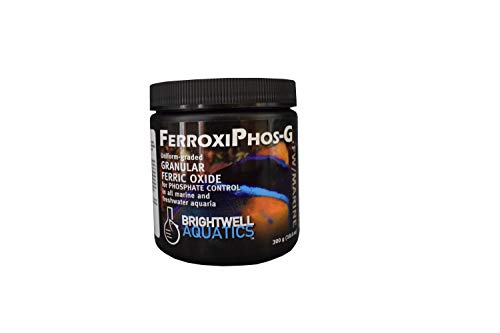
Granular ferric oxide that directly and efficiently removes reactive phosphate from aquarium water
What Are the Ideal Phosphate Levels for Different Reef Environments?
For most reef tanks, maintaining phosphate levels between 0.03 and 0.10 ppm strikes the right balance for healthy coral growth and water quality. In mixed reef environments, stability within this range prevents nutrient swings that can stress corals or promote unwanted algae. SPS-dominant tanks benefit from even lower phosphate levels, around 0.02 to 0.08 ppm, since sensitive SPS corals are more susceptible to nutrient excesses that can cause issues like algae blooms or hinder their growth. Soft coral and LPS systems can handle slightly higher phosphate levels, typically 0.05 to 0.15 ppm, allowing for a more nutrient-rich environment that supports their specific needs. Fish-only tanks are generally more tolerant of higher phosphate levels, often managed below 0.5 ppm, focusing more on overall water quality. Adjusting phosphate levels according to your reef’s coral composition and desired nutrient balance ensures optimal health and growth. Additionally, understanding phosphate levels and their impact helps in choosing appropriate management strategies for your specific reef environment.
Long-Term Strategies for Maintaining a Low-Phosphate Reef
Consistently removing excess nutrients is essential for maintaining a low-phosphate reef over the long term. To prevent phosphate buildup originating from lighting, always use reverse osmosis/deionized (RO/DI) water for top-offs and water changes. This prevents introducing phosphates through impurities. Avoid overfeeding by offering smaller portions and removing any uneaten food promptly, as decomposing organic matter releases phosphate into the water. Regular water changes, ideally small and frequent, help dilute accumulated nutrients effectively. Vacuuming detritus and cleaning rockwork and substrate prevents organic buildup that can convert into phosphate. Ensuring your protein skimmer and mechanical filtration are properly tuned helps remove waste before it becomes a phosphate source. Incorporating a refugium or algae scrubber adds a biological export method, further reducing phosphate levels. Regularly monitoring phosphate levels allows you to adjust husbandry routines promptly, keeping nutrient levels stable and preventing spikes caused by lighting or other factors. Understanding the water chemistry involved can help optimize phosphate control and overall reef health.