
If you’re wondering how a water conditioner helps manage hard water, you’re asking the right question. It works by changing how minerals like calcium and magnesium behave, preventing scale buildup without removing them completely.
Whether through salt-based ion exchange or salt-free processes, these systems aim to improve your water quality with minimal hassle.
Keep reading to see which option might be best for you.
What Are Water Conditioners, and How Do They Differ From Softeners?
Water conditioners improve water quality by altering how minerals and contaminants behave, rather than removing them entirely. Unlike traditional softeners, they don’t use ion exchange or salt. Instead, they modify mineral properties, which reduces scale buildup and improves water feel. This method has a lower environmental impact because it typically avoids wastewater and salt use. Additionally, water conditioners often utilize alternative treatment methods that do not require regeneration cycles. Installation tends to be simpler with conditioners. Many require less maintenance and do not need a regeneration cycle like softeners do. Water conditioners often convert dissolved hardness into tiny crystals, which prevents scale formation without stripping minerals from the water completely. This makes them suitable if you want to lower limescale and residue while keeping the mineral content intact.

[Improve Water Quality] Solves hard water problems without the need for chemicals, salt, or maintenance, while keeping healthy minerals in the water by preventing scale deposits from forming and allowing existing scale to break down.

HELPS REDUCE LIMESCALE ADHESION Designed to help reduce limescale adhesion throughout household plumbing systems. Helps support long-term protection for pipes, water heaters, and household appliances exposed to hard water minerals.

Helps Inhibit Scale: Polyphosphates included in This Product bind calcium and magnesium hardness minerals, preventing them from becoming a solid to help reduce the build-up of mineral scale in pipes and water using appliances
How Do Ion-Exchange Water Softeners Work?
Ion-exchange water softeners work by passing hard water through a resin bed filled with plastic beads that attract calcium and magnesium ions. These beads carry a negative charge and swap sodium ions for the divalent minerals as water flows through. This process reduces water hardness and prevents scale buildup in plumbing and appliances. Over time, the resin’s capacity diminishes as calcium and magnesium ions occupy the exchange sites. To restore its effectiveness, the system undergoes regeneration with a salt brine, which displaces the accumulated minerals and recharges the resin with sodium ions. This cycle enables the softener to continuously provide softened water and maintains plumbing efficiency. Proper management of resin renewal ensures consistent softening performance and protects your plumbing from hard water damage. Understanding how ion-exchange specifically targets mineral ions helps in appreciating its efficiency and maintenance needs. Regular monitoring of the resin’s condition and resin capacity prevents unexpected failures and ensures optimal performance.
How Salt-Free Water Conditioners Change Mineral Behavior?
Salt-free water conditioners do not remove minerals like calcium and magnesium from your water; instead, they change how these minerals behave within the system. This process involves transforming the minerals into tiny crystals known as seed crystals or micro-crystals. These crystals are less adhesive, which means they are less likely to stick to pipes and fixtures.
Through a process called Template-Assisted Crystallization (TAC), the minerals stay in solution but form micro-crystals that do not contribute to scale buildup. This method alters the physical form of the hardness minerals without removing them from the water. As a result, your plumbing system experiences significantly less scale accumulation, even though the minerals remain present. Additionally, mineral behavior is fundamentally changed by this process, making it more effective at preventing scale formation. This technique mimics the natural scale-preventing processes found in some water treatment methods, enhancing its preventive capabilities. In essence, salt-free conditioners focus on modifying mineral behavior to prevent scale formation effectively.
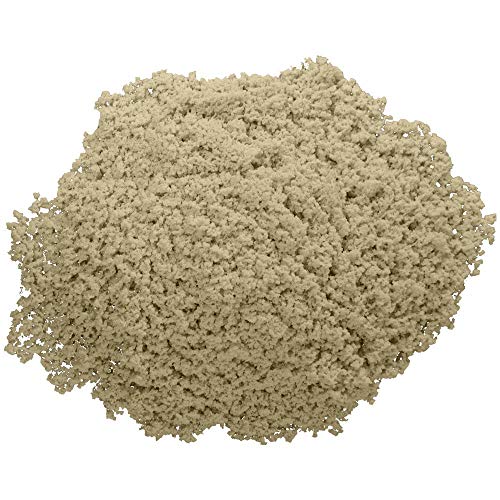
1 liter scale prevention media TAC

TAC SCALE PREVENTION TECHNOLOGY – Uses template-assisted crystallization (TAC) media designed to convert hardness minerals into inactive crystals, helping reduce scale buildup on plumbing surfaces, fixtures, and appliances.

GENUINE NS3 SALT-FREE CONDITIONER MEDIA – Replacement kit for the Pelican NS3 salt-free water conditioner includes 3 liters of Next Scalestop TAC (Template Assisted Crystallization) media — the core salt-free scale prevention technology.
What Are the Main Components of Water Conditioning Systems?
A water conditioning system’s main components include the resin tank, control valve, brine tank, and support parts. The resin or mineral tank is typically the largest component and contains resin beads that exchange ions with minerals like calcium and magnesium, removing hardness from water. The control valve manages water flow through the system, switching between service and regeneration modes, and controls the timing of regeneration cycles. The brine tank stores salt and saltwater solution, which is used to regenerate the resin beads and restore their ion-exchange capacity. Support components such as bypass valves, drain lines, and safety floats ensure the system operates smoothly and safely, preventing issues like overfilling or system malfunctions. When working together, these components keep your water soft and your system running efficiently, and proper maintenance of each part is essential for uninterrupted performance. Regular inspections, cleaning, and timely replenishment of salt are vital for maintaining system efficiency, ensuring that the entire system functions optimally over time. Additionally, understanding each component’s role helps in troubleshooting and prolongs the lifespan of your water conditioner.


Water softener replacement brine tank. Works with Fleck control head as well as many other well known brands.

Resin Cleaner: Res Care is a specially formulated cleaning agent designed to restore and extend the life of polluted resin beds contaminated with metallic and organic compounds that can erode surfaces and affect performance
Benefits of Using a Water Conditioner in Your Home
Using a water conditioner in your home offers several key benefits, especially if you have hard water. It helps prevent scale buildup inside pipes and fixtures, which reduces white residue on faucets and showerheads and minimizes internal scaling in appliances. This contributes to maintaining the longevity of your plumbing and appliances. This means your plumbing stays clearer and your appliances operate more efficiently, ultimately extending their lifespan. You’ll also notice surfaces in your bathroom and kitchen look cleaner and more appealing. Additionally, properly conditioned water can improve the overall water quality, making household water safer and more reliable.
Conditioned water feels smoother and softer to the touch, making showers and handwashing more comfortable. It also helps soap lather better and rinses off more completely, enhancing your overall hygiene routine. Salt-free systems, in particular, require less maintenance because you don’t need to add salt or manage a brine tank. Plus, they support eco-friendly efforts by reducing chemical use and waste. Properly treated water also contributes to lowering energy consumption in appliances that rely on water heating, thus saving you money. Overall, a water conditioner creates a cleaner, more efficient home environment that’s easier to maintain and visually more appealing. Proper water treatment helps ensure your entire household benefits from cleaner water quality.

Salt-Free, Citrus-Based Softening: Uses CitraCharge technology to soften water without salt while retaining essential minerals, preventing scale buildup, and avoiding the slick feel of traditional salt-based systems. It softens water without removing essential minerals like calcium and magnesium, unlike traditional systems that replace them with sodium or potassium.

【 DESIGNED FOR 1-3 BATHROOMS 】Our compact system provides salt-free water for the whole house for up to 4 people and protects your appliances from scale build-up, extending their lifespan.

Limitations of Water Conditioners and When to Consider Other Options?
Water conditioners mainly focus on preventing scale buildup rather than removing calcium and magnesium from hard water. As a result, issues like soap scum, spots on dishes, and the rough feel in your shower persist despite using a conditioner. They are less effective at eliminating limescale compared to ion-exchange water softeners. Additionally, conditioners do not address other contaminants such as iron, manganese, chlorine, or sediment. If your water exceeds 7 grains per gallon of hardness or requires comprehensive purification, a softener or other treatment systems might be more appropriate. Water conditioners are best suited for controlling scale but cannot fully resolve all water quality problems, often necessitating a combination of different treatment options. Hardness removal is one of the main limitations of conditioners, underscoring the need to evaluate your water’s specific contaminants for the best solution. It’s important to understand the differences between various treatment methods and their capabilities in contaminant reduction, especially concerning hard water and other impurities.
Choosing the Right Water Conditioner for Your Needs
Start by testing your water for hardness, iron, manganese, and chlorine or chloramine levels. These measurements determine whether you need a treatment to reduce scale buildup or to modify mineral behavior. For water with high mineral content, salt-based softeners that use ion exchange are effective at removing hardness and preventing scale formation. Salt-free conditioners, on the other hand, change how minerals behave, helping to prevent scale buildup without actually removing minerals from the water. Always verify your test results with a professional to ensure proper filtration choices. Water chemistry testing is a crucial step before selecting any system, and understanding your water’s composition and levels can help direct the best decision. Properly understanding your water chemistry can also prevent unnecessary equipment updates or repairs. Additionally, being aware of hardness levels can help you choose the most appropriate water treatment method. Size your system based on your peak water flow and daily usage. A good rule is to choose a unit with a capacity sufficient for six to eight days of operation before needing regeneration. For greater efficiency, consider demand-initiated systems that regenerate only when needed. Decide between a single-tank or twin-tank setup based on your continuous water usage—twin tanks can provide a constant supply without interruption during regeneration. Always check installation requirements, warranty details, and maintenance needs to ensure the system matches your household’s capabilities and budget.

💧【 PERFECTLY DESIGNED FOR 3-4 BATHROOMS 】The Aquasure Harmony Series is the professional grade water softener that delivers ultra-softened water to every outlet throughout your entire home.

Perfect for Families: Designed for households of 1–4 people struggling with hard water. The Kenmore 350 softens hardness and helps to reduce clear water iron, protecting your home from mineral buildup

CLEAN AND PROTECT FORMULA: Morton's advanced salt pellets help prevent buildup and maintain your water softener system's efficiency