Wondering how often you should change your aquarium filter?
Keeping your water clean and your fish healthy depends on understanding the different types of filter media and their maintenance needs.
From weekly cleaning to occasional replacements, the right schedule keeps your tank in top shape.
Read on to learn how to maintain your filter effectively.
Why Your Aquarium Filter Media Matters and How Often to Change It
Biological media typically lasts for years if maintained properly. It supports beneficial bacteria that convert toxic ammonia and nitrite into nitrate, which is less harmful. You usually only need to replace biological media if it breaks down or becomes heavily clogged, which can happen over time or if it’s damaged. Regular rinsing in tank water helps preserve the bacteria and keeps the media functioning effectively. Additionally, understanding the biological media longevity can help you plan maintenance without compromising your tank’s ecosystem. Proper maintenance routines, including careful inspection and gentle cleaning, can significantly extend the media’s lifespan, ensuring continuous biological filtration. Completely replacing biological media can disrupt the nitrogen cycle and reduce filter stability, especially in established tanks. Therefore, routine maintenance mainly involves gentle rinsing to ensure the beneficial bacteria stay active and your biological filter continues supporting a healthy aquatic environment. Regular monitoring of your filter’s performance can also indicate when media replacement might be necessary.
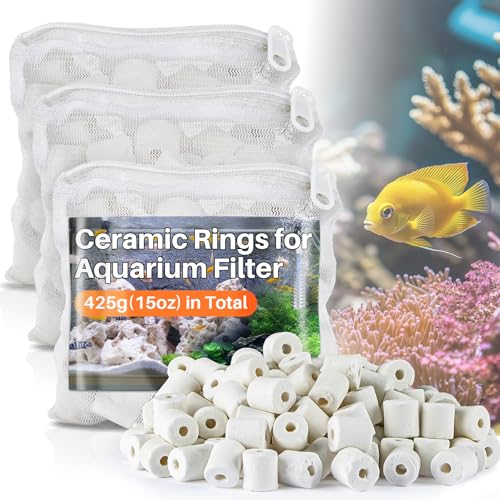
Efficient Purification: Designed for both freshwater and saltwater aquariums; Helps capture floating particles and impurities; Promotes clearer and cleaner water; Improves overall water quality over time; Works continuously to maintain a balanced aquatic environment
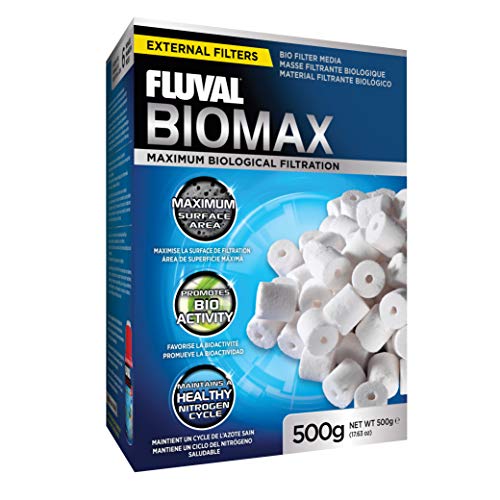
Filter Compatibility: Compatible with Fluval Filter Series 106, 206, 306, 406, FX5, FX6, 105, 205, 305, 405, 104, 204, 304, and 404.

Filtration Enhancement: Natural quartz balls help improve water clarity by supporting mechanical filtration; optimizing filtration efficiency
How to Recognize When Mechanical Media Needs Cleaning or Replacement
Mechanical media such as sponges, filter pads, or foam need cleaning or replacement when you notice signs of clogging or damage. Common indicators include a noticeable reduction in water flow, such as a slower output from the filter pump or a decreased bubble rise rate in the tank. If water currents weaken or surface agitation diminishes, it likely signals clogging. Gurgling sounds coming from the filter motor also suggest blockages or buildup. Regular inspection can help catch these issues early and prevent more serious problems. Visually, debris accumulation is a key sign—gray filth on sponges, slimy biofilm on filter pads, or particles floating freely in the water. Water quality is another critical factor; elevated ammonia, nitrite, or nitrate levels point to impaired filtration caused by clogged media. Over time, mechanical media naturally wears down; when they become heavily clogged or torn, it’s time to clean or replace them promptly to maintain a healthy aquarium environment. Additionally, understanding media lifespan can help you plan timely maintenance to avoid filtration failures, especially since clogged media can lead to decreased oxygen exchange and increase stress on aquatic life. Monitoring filter performance regularly ensures that your aquarium remains a safe habitat for your fish and plants.

Comprehensive Filter Media Kit for Superior Aquarium Filtration: The Media Maintenance Kit features a powerful trio of Fluval’s most effective filter media: mechanical (Bio-Foam), biological (BIOMAX), and chemical (Activated Carbon), ensuring a clean and healthy aquatic environment

Filter Compatibility: Compatible with Fluval filter models: 106, 206, 306, 406, FX5, FX6,105, 205, 305, 405, 104, 204, 304, and 404.

Dimension: 8x4.5cm/3.2” x1.8”, the inside hole diameter is 2cm/0.8”; for a snug fit, check the size you need carefully before placing an order. The sponge's inner diameter accommodates filter intake within 0.8-1 inches (20–25.4 mm) due to its elastic properties.
Tips for Maintaining Biological Media Without Disrupting the Nitrogen Cycle
To maintain biological media without disrupting the nitrogen cycle, you should avoid routine full replacements. Instead, inspect the media every 4 weeks or when clogging occurs and lightly rinse it using old aquarium water. Heavy scrubbing or rinsing with tap water can remove beneficial bacterial colonies responsible for nitrification, so gentle swishing is key. When it becomes necessary to replace the media, do so gradually—only change about one-third to one-half at a time. This allows bacterial communities to re-establish over several weeks, minimizing the risk of ammonia spikes. Alternating media between different chambers or sections further helps keep enough beneficial bacteria active to maintain balance. Regularly checking quality and performance of your aquarium kit components ensures your setup remains healthy and efficient. Additionally, understanding the importance of the nitrogen cycle helps prevent common issues such as ammonia spikes during maintenance. Maintaining optimal water parameters is also essential for supporting the health of your biological media.
During any maintenance, closely monitor water parameters such as ammonia and nitrite levels. Stable readings indicate that the biological media continues to process waste effectively, reducing the risk of a cycle crash. Following these careful procedures ensures your biological media sustains healthy bacterial populations, supporting a stable nitrogen cycle in your aquarium.
When and How to Replenish Chemical Media to Keep Water Clean
Replenishing chemical media at regular intervals is crucial for maintaining clean, healthy water in your aquarium. As the media becomes saturated with odors, toxins, and medications, its ability to adsorb impurities decreases, leading to poorer water quality. To ensure effective filtration, replace activated carbon every 2 to 4 weeks, or roughly once a month, and watch for signs such as persistent odors or discoloration. Zeolite can last up to two months in lightly stocked tanks, but always verify water test results and follow manufacturer recommendations. When using specialty resins or ammonia-removing media, adhere to specific instructions and check water parameters regularly. Proper replacement schedules maximize filter performance and minimize disruptions to the biological balance within the filter. Additionally, understanding the media saturation process helps in timing replacements more accurately and prevents unnecessary media changeouts. Being aware of how media interacts with tank conditions can also help optimize filter lifespan and efficiency.

Filter Compatibility: Compatible with Fluval filter models: 106, 206, 306, 406, FX5, 105, 205, 305, 405, 104, 204, 304, and 404.

Replacement filter media designed for use with the Fluval C2 Power Filter
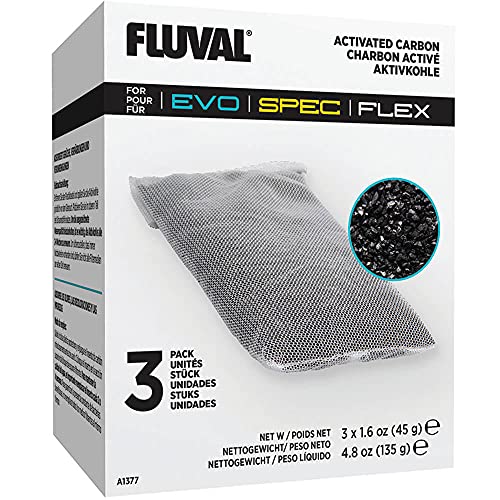
Chemical filter media removes heavy metals, odors, discolorations and pollutants
How Aquarium Size and Fish Load Affect Filter Maintenance Frequency
The size of your aquarium and the number of fish you keep significantly determine how frequently you need to clean and maintain your filter. Smaller tanks under 10 gallons tend to accumulate waste quickly, often requiring weekly cleaning to prevent water quality issues. Medium-sized tanks ranging from 10 to 30 gallons usually need maintenance every 2 to 4 weeks, depending on the fish load and feeding habits. Larger tanks over 30 gallons can often go 4 to 6 weeks between cleanings if the filtration system is adequately scaled. Proper filter maintenance is essential to ensure your filtration system continues to work effectively over time. A higher fish load increases waste production, leading to quicker filter fouling and more frequent service needs. Even a large tank with many fish might require more regular filter maintenance if the filtration capacity isn’t sufficient for the increased bioload. Regularly monitoring water flow and examining your filter’s performance can help you adjust your maintenance schedule as needed. Keeping an eye on debris accumulation, water clarity, and waste levels ensures your filter continues to function effectively, no matter the size of your aquarium.
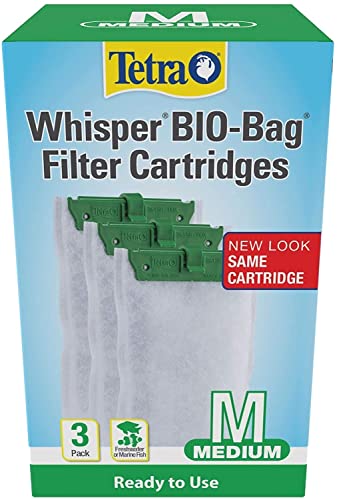
REPLACEMENT CARBON FILTER: Keeps aquarium water crystal clear – removes odors and discoloration.

High quality activated carbon keeps water clean

Strong Compatibility: The specific size of our aquarium filter cartridge is 2.1 in L x 3.7 in W. It is very suitable for BF5 BETTAFLO FILTER & DESKTOP AQUQRIUMS. With this aquarium filter cartridge, you can keep your water healthy every moment. It contains 6 pack aquarium filter cottons, which you can change every 2-4 weeks.
Signs Your Filter Needs Attention Before the Next Scheduled Check
Signs that your aquarium filter needs attention before the next scheduled check include visible algae buildup on the filter or equipment, which suggests it’s not functioning efficiently. Increased noise from the filter can indicate mechanical strain or partial blockage, both of which impair performance. Reduced water flow, such as weaker surface agitation or slower output, often points to clogs or debris accumulation in the media. Over time, filters naturally lose efficiency without proper maintenance, making regular checks essential. A decline in water quality, such as an increase in waste or toxins, can also be a sign that your filter isn’t maintaining optimal biological filtration, emphasizing the importance of filter maintenance. Regularly checking for these signs weekly helps prevent more serious problems and keeps your tank healthy and clear. Additionally, understanding biological filtration processes can help you better identify when your filter is not functioning properly. Cloudy or murky water with suspended particles shows the filter is not effectively removing debris. Microbubbles or air in the output stream can signal partial clogs or air leaks. Additionally, unusual noises or decreased surface movement are common indicators that your filter requires inspection. Recognizing these performance indicators early can save your aquatic environment from potential harm.
Best Practices for Cleaning and Replacing Filter Media Safely
To clean and replace your aquarium filter media safely, start by rinsing sponges, pads, and biomedia with water saved from a water change rather than tap water. This preserves beneficial bacteria that keep your water healthy. Gently squeeze, swish, or dunk the media until the water flows freely again. Avoid scrubbing or fully cleaning the media, which can remove too many helpful microbes. Keep the media wet during maintenance to prevent bacteria loss, and always use a bucket labeled for aquarium use to prevent contamination. Reinstall the media promptly after cleaning to maintain proper biological filtration and water movement. Mechanical media should be cleaned every 1 to 4 weeks, while biological media needs less frequent rinsing. Chemical media, such as activated carbon, should be replaced according to the manufacturer’s instructions rather than cleaned, to ensure optimal filtration and water flow. Additionally, understanding the importance of plant selection and placement can help improve the overall health of your aquatic environment. Regularly monitoring water parameters can also help determine when your filter media needs attention or replacement. Maintaining a balanced environment supports healthy aquarium ecosystems, which in turn can reduce the frequency of filter maintenance required.

Efficient Filtration: The high-density and unique structure of the sponge provide exceptional mechanical filtration. It effectively captures and removes impurities, suspended particles, and waste from the water, maintaining a clear and stable aquatic environment for the well-being of your aquatic organisms.

REPLACEMENT FILTER MEDIA: These Activated Carbon Cartridges are made to fit most undergravel filters, and work with any lift tube of the following measurements: 11/16” // 27/32” // 15/16” // 1 1/8”. They serve as replacements for when it’s time to cycle out aquarium filter media.