If you’re wondering how a canister filter keeps your aquarium water clean, you’re not alone. These powerful filters draw water from your tank and pass it through multiple chambers filled with various media to remove debris, toxins, and odors.
Mastering how they work can help you ensure clear water and a healthy environment for your fish. Keep reading to learn everything you need to know about optimizing your canister filter’s performance.
What Is a Canister Filter and How Does It Work?
A canister filter is an external filtration system designed to keep your aquarium water clean and healthy. It is positioned outside the tank and contains a sealed chamber that holds different types of filtration media. This setup provides mechanical, biological, and chemical filtration all in one unit. Water from the tank is drawn through an intake tube into the filter. Inside, it passes through layers of media that trap debris, support beneficial bacteria growth, and remove chemical pollutants. Once filtered, the water is pushed back into the tank through an outflow tube, spray bar, or nozzle. This versatile design allows for large media capacity and customization, making it efficient at maintaining stable water quality. A well-functioning canister filter supports healthy fish, attractive plants, and vibrant decorations while keeping water clear and safe. Additionally, their efficient design helps reduce maintenance efforts while providing optimal filtration, which is essential for aquarium health.
How Does Water Move Through a Canister Filter?
Water moves through a canister filter by being drawn in through an intake tube located near the bottom of your aquarium. The intake creates a flow path, with a pump or impeller generating suction to pull water into the sealed canister under controlled pressure. Inside, the flow direction varies depending on the model, influencing how the media are arranged. Water then passes through a series of chambers or media baskets, often starting at the bottom and moving upward or along alternative routes designed by the filter’s configuration. The pump pushes water through dense filter media, forcing it to flow from bottom to top or through other specified pathways. Proper placement of media according to the flow path is essential for optimal filtration efficiency. Ensuring that the flow remains consistent and unobstructed often involves maintaining flow rate, which is crucial for effective filtration. Flow rate optimization also helps prevent buildup of debris and reduces maintenance requirements. Additionally, regular maintenance of filter media ensures that the water flow stays unobstructed and the filtration process remains efficient. After completing filtration, water exits through the return line—such as a spray bar or nozzle—and re-enters the tank.
Understanding Mechanical, Biological, and Chemical Filtration
Mechanical, biological, and chemical filtration each serve a distinct purpose in maintaining a healthy aquarium. Mechanical filtration removes debris, uneaten food, and fish waste by trapping particles in media like foam or sponge. This process improves water clarity and prevents debris from decomposing, which helps keep the water clean and extends the lifespan of the filter media. Proper staging of these filtration types is essential for optimal water parameter stability. Biological filtration involves beneficial bacteria that convert toxic ammonia into nitrite and then into nitrate. This process stabilizes water chemistry over time and creates a safer environment for your fish. Using high-surface-area media, such as porous ceramic rings or bio-balls, supports the growth of these bacteria, allowing larger colonies and more effective filtration without needing frequent media replacement. Additionally, managing filtration balance is crucial to maintaining a stable and healthy aquarium environment. Maintaining the right balance of filtration types is crucial to prevent imbalances that could lead to water quality issues. Chemical filtration targets odors, discoloration, and dissolved toxins through methods like adsorption. Activated carbon is a common media that captures impurities as water flows through it. Once the media becomes saturated, it needs to be replaced to maintain its effectiveness. Properly staging these three types of filtration within your canister filter maximizes performance and promotes a healthier aquarium environment.
What Types of Media Are Used in Canister Filters?
Canister filters utilize three main types of media tailored to address different filtration needs. Mechanical media, placed first in the flow, physically traps debris and particles to keep the water clear. Common options include filter floss, foam pads, sponge blocks, and polyester fiber pads. These media require regular cleaning because they quickly clog as they trap debris.
Biological media provide a large surface area for beneficial bacteria to colonize and are crucial for biofiltration. Typical biological media include ceramic rings, porous ceramics, and foam blocks. They support the nitrogen cycle by converting harmful waste products like ammonia into less toxic substances, making them essential for maintaining a healthy aquarium environment.
Chemical media target specific toxins, odors, and nutrients. Examples include activated carbon for removing organic compounds and discoloration, Purigen for organic waste and odors, and GFO (granular ferric oxide) for phosphate control. Chemical media are usually placed last in the flow to ensure they process water after debris and bacteria have done their work.
Proper layering and compatibility of these media types ensure efficient filtration without clogging or interference. Planning the sequence—from mechanical to biological to chemical—helps maintain clear, healthy water and promotes a balanced ecosystem in your aquarium.

Filter Compatibility: Compatible with Fluval filter models: 106, 206, 306, 406, FX5, 105, 205, 305, 405, 104, 204, 304, and 404.

Compatible Models: Compatible with Fluval 106 / 107 Canister Aquarium Filter. Replace your filter media once every 2-4 months to extend the life of your aquarium. Suitable for freshwater and saltwater aquariums

【Compatible Models】This 4-stage filtration tank filter maintenance kit is compatible with SUNSUN Canister Filters HW-304A/304B, 404A/404B, 704A/704B and 3000, Polar Aurora 525 gph. Suitable for freshwater and saltwater aquariums.
How Do You Maintain and Clean Your Canister Filter?
To maintain and clean your canister filter properly, start by unplugging it from the power source. Close the intake and output valves to prevent water from spilling out during disassembly. Prepare a towel nearby to catch drips. Carefully take apart the canister, draining the dirty water—never reuse this water, as it contains debris and waste.
Rinse the filter media in aquarium water, not tap water, to preserve beneficial bacteria. This applies to biological and mechanical media like sponges, pads, and bio-balls. Use cool or lukewarm water for rinsing to avoid damaging the media. For mechanical parts such as sponges, trays, and the impeller, use brushes or pipe cleaners to scrub away dirt, algae, and debris. Clear out any debris trapped within the housing itself. Proper cleaning prevents bacteria buildup and helps maintain the filter’s efficiency. Regular cleaning also ensures that the filter remains performance-efficient. Additionally, understanding how filter material interacts with tank conditions can help you optimize maintenance routines and prevent water parameter fluctuations that could stress your aquatic life.
During reassembly, inspect seals, O-rings, and gaskets for cracks, flattening, or signs of wear. Lubricate these seals with aquarium-safe silicone to ensure a proper seal. Replace any worn components to prevent leaks. Verify that all valve fittings are tight and secure. Refill the canister with aquarium water, prime the filter if necessary, and then turn it on. Check carefully for leaks before fully restarting the filter to ensure it functions smoothly.

【Compatible Models】This 4-stage filtration tank filter maintenance kit is compatible with AMOSIJOY 396GPH 3-Stage Canister Filter, Ultra-Quiet External Aquarium Filter. Suitable for freshwater and saltwater aquariums.

Compatible with SUNSUN Canister filters HW-304B/404B/704B/3000, Polar Aurora 525gph

Filter Compatibility: Compatible with Fluval filter models: 106, 206, 306, 406, FX5, FX6,105, 205, 305, 405, 104, 204, 304, and 404.
How to Choose the Best Canister Filter for Your Aquarium
Choose a canister filter with a flow rate of at least four times your aquarium’s volume in gallons per hour (GPH). For example, if you have a 50-gallon tank, look for a filter rated around 200 GPH or higher. This ensures proper water circulation and effective filtration. Larger tanks or heavily stocked tanks benefit from filters with higher GPH to handle increased waste and biological load. Opting for models that allow media customization — like adding mechanical, biological, and chemical media — helps you tailor filtration to your specific needs. A bigger canister provides more space for different media types, boosting water clarity and biological stability. Proper water flow is essential for maintaining a healthy environment, ultimately, filter size and media capacity help you select a reliable, adaptable filter that keeps your water pristine. Additionally, considering the size and capacity of media can significantly influence the longevity and effectiveness of your filtration system. Ease of maintenance counts, too. Choose filters with accessible media trays and straightforward designs to make cleaning less of a chore.
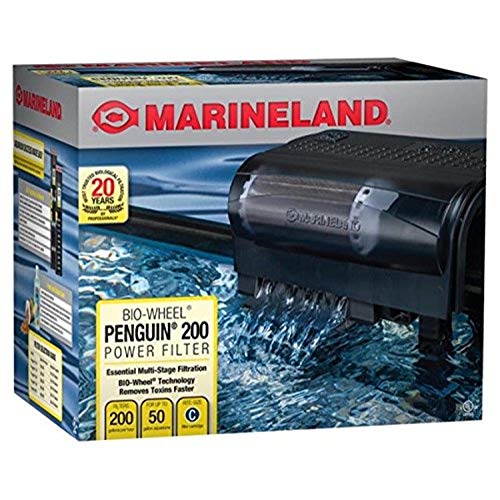
WITH ROTATING BIO-WHEEL: Patented Bio-Wheel technology provides excellent wet/dry biological filtration.

Efficient Filtration: The built-in pump has a maximum flow rate of 528GPH(2000 L/H) with a power of 20W, recommended for use in 200-gallon freshwater aquariums, turtle tanks, and fish tanks. The water flows through the media layers to filter water and ensure a clean aquatic condition. Each layer has a sponge to hold it in place, and it comes with ceramic rings and bio-balls.

SPACE EKO: SPACE EKO are canister filters ideal for freshwater aquariums. A unique easy start up system, large filter capacity and silent operation make this range a very good choice for beginners.
Troubleshooting Common Canister Filter Problems
Flow issues are often caused by clogged filter media like sponges or floss, which trap debris and restrict water movement. Mechanical media can become blocked quickly if regularly cleaned, leading to increased pressure and reduced water throughput. Air trapped in the canister or an incomplete prime can also hinder flow, causing weak circulation. Additionally, a flow rate that is too low for the size of your tank can result in stagnation and uneven circulation. To troubleshoot, check for blockages in the intake tubing, ensure the impeller is functioning properly, and verify that the filter media isn’t obstructed. Regular testing and adjustments of water parameters, such as flow rate, can help maintain a healthy water balance, supporting the overall efficiency of your filtration system. It’s also important to understand the operating principles of your canister filter to better identify and resolve flow problems. Addressing these common issues will help restore steady water movement and effective filtration.

Perfect fit: Compatible with AMOSIJOY/PONDFORSE/VEVOR/SUNWEN 172/225/265 GPH canister filters
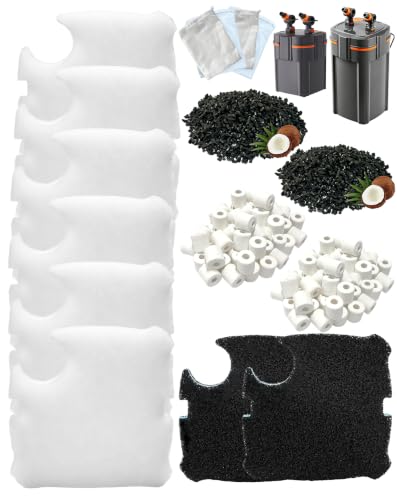
【Compatible with VEVOR Canister Filters】This 16‑pack aquarium filter media replacement kit is specifically compatible with VEVOR 317GPH-UV(Tank Size:75-100Gallon Model Number:AQ-905F-UV 12W), 238 GPH-UV(Tank Size:55-75Gallon Model Number:AQ-903F-UV 11W), 224.5 GPH-UV(Tank Size:35-55Gallon Model Number:AQ-901F-UV 10W) canister filters. No cutting or modification needed – each piece fits perfectly to restore your filter’s original performance. Suitable for both freshwater and saltwater aquariums.
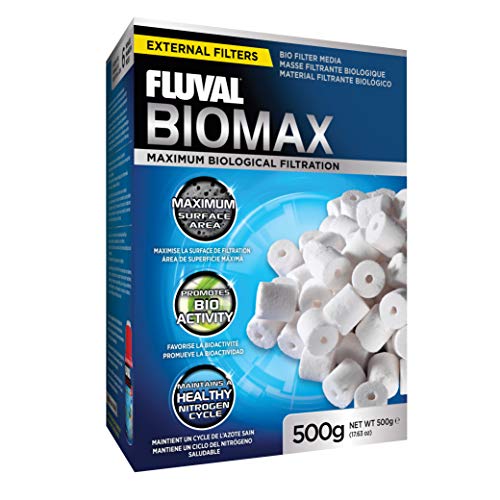
Filter Compatibility: Compatible with Fluval Filter Series 106, 206, 306, 406, FX5, FX6, 105, 205, 305, 405, 104, 204, 304, and 404.
Tips for Making Your Aquarium Water Clear and Healthy
To keep your aquarium water clear and healthy, start with proper filtration. Use mechanical media like sponges and filter floss to trap debris, and biological media such as ceramic rings to promote beneficial bacteria. Regular water changes of 20–30 percent, or 10–20 percent in low-stress setups, help remove pollutants. A gravel vacuum is effective for removing organic waste from the substrate. Keep water temperature stable to prevent stress and encourage algae growth. Limit your aquarium lighting to 8–10 hours daily to control algae. Adding live plants, algae-eating fish, or snails provides natural algae control. Only use chemical media like activated carbon or clarifiers when necessary, and follow the instructions carefully. Consistent maintenance and close monitoring of water parameters are essential for crystal-clear, healthy water, including monitoring key water parameters regularly. Ensuring proper filtration setup helps create a balanced ecosystem that supports aquatic life.

Efficient Filtration: The high-density and unique structure of the sponge provide exceptional mechanical filtration. It effectively captures and removes impurities, suspended particles, and waste from the water, maintaining a clear and stable aquatic environment for the well-being of your aquatic organisms.

Mechanical Filtration: The aquarium bio sponge filter pads can effectively trap debris, food residue, wastes or other impurities in water. Prevent them from entering the aquarium to keep water clean

Dimension: 9" Lx 9"W x 0.5"H, PPI:40. Includes 2 pieces of open cell sponges