Cleaning your leopard gecko’s tank might seem daunting, but it’s essential for keeping your pet healthy and happy. Regular maintenance—like daily waste removal and weekly deep cleans—helps prevent odor and bacteria buildup.
With the right methods and supplies, maintaining a spotless habitat becomes quick and stress-free. Keep reading for simple steps to keep your gecko’s home fresh and safe.
How Often Should You Clean Your Leopard Gecko’s Tank?
You should perform daily spot cleaning of your leopard gecko’s tank. This involves removing feces, urates, uneaten food, and debris to prevent bacterial buildup and maintain a healthy environment. Some keepers recommend doing this at least twice a week, but daily waste removal is more effective for hygiene. Weekly maintenance should include changing the paper towel substrate or washing carpet-style bedding thoroughly. A monthly deep clean involves removing all accessories and disinfecting the entire enclosure. The frequency of substrate disposal varies: paper towels should be replaced 1–2 times weekly, while carpet-style substrates can be washed weekly. Adjust your cleaning routine based on the substrate type, size of the habitat, and your gecko’s activity level to keep your pet healthy and comfortable. Incorporating proper habitat maintenance practices, such as using the right cleaning supplies, can also help ensure a thorough and safe cleaning process. Maintaining a clean environment is essential for preventing illness and promoting your gecko’s well-being.
How to Prepare Your Tank for Safe and Effective Cleaning
To prepare your tank for safe and effective cleaning, start by gathering all necessary supplies before disassembly. Confirm that your disinfectants, such as F10SC or diluted vinegar, are reptile-safe to prevent harm to your gecko. Use non-abrasive sponges, soft paper towels, and clean buckets for soaking and cleaning tank items. Choose suitable new substrate options, like eco-friendly sand, to ensure a safe environment once reassembled. Secure temporary enclosures with proper ventilation for the tank to avoid chemical fume buildup. Schedule cleaning during low activity periods, such as early morning or late evening, to minimize stress on your gecko and maintain optimal cleaning frequency. Turn off heat sources like heat projectors or lights before removing your gecko, and verify that humidity, room temperature, and heating elements are functioning correctly to create a safe, clean environment during and after the process. Ensuring proper cleaning frequency can help maintain your gecko’s health and habitat quality over time.

Terrarium and small animal cage disinfectant, cleaner and deodorizer

Used by Vets, Loved by Pets - Kill pathogens in as little as 60 seconds with Rescue. Prevents outbreaks and kills a broad-spectrum of pathogens - including canine parvovirus

Versatile Design: Multi-purpose reptile tank cleaner made specifically for bearded dragon enclosures and terrariums. Keeps your pet’s habitat clean, odor-free, and hygienic with a powerful formula that tackles waste, grime, and buildup on contact.
Step-by-Step Guide to Cleaning Enclosure Surfaces
To keep your leopard gecko’s enclosure clean and safe, start by wiping down all interior surfaces with warm water and a reptile-safe, mild cleaner. Gather your tools—such as sponges, cloths, or paper towels—to scrub the floors, walls, and corners thoroughly. Begin your cleaning routine by removing loose debris, feces, shed skin, and leftover food before applying any cleaner. Pay special attention to corners, crevices, and seams where waste tends to accumulate. For tight spots or stubborn buildup, use small tools like cotton swabs. Rinse all surfaces well multiple times to eliminate soap and disinfectant residues, then dry everything completely using paper towels or allow it to air dry. Keeping a consistent cleaning schedule is essential to maintaining a healthy environment for your gecko. Regular maintenance also involves inspecting your automatic fish feeder for proper functioning to ensure consistent feeding habits. Additionally, understanding proper substrate maintenance can help prevent bacterial buildup and improve overall enclosure hygiene.

ADDS A BRILLIANT CLEAR SHINE to glass and other non-absorbent surfaces.

BIO-ENZYMATIC CLEANING FORMULA: Penetrates to help break down and destroy tough stains and odors

QUICK AND EASY HABITAT CLEANER: Our natural enzyme formula is incredibly fast-acting and won’t leave behind greasy, sticky, or filmy residue like other terrarium cleaners or soaps. After removing all items, spray the habitat thoroughly and let sit for 3-5 minutes. Use a brush or wet cloth to remove excess messes and rinse completely with hot water until sudsing stops. Then wipe clean and let dry before returning your pet to it’s home.
How to Clean and Disinfect Decorations, Hides, and Dishes
Removing decorations, hides, and dishes from your leopard gecko’s enclosure is the first step to thorough cleaning and disinfection. Carefully inspect each item for cracks, rough edges, or trapped residue, as these can harbor debris and make stain removal more difficult. For non-porous items like rocks, ceramic hides, and feeding dishes, scrub them with warm water and a mild soap, then rinse thoroughly to remove all traces of soap. To sanitize more effectively, soak these items in a reptile-safe disinfectant or a diluted bleach solution of about 10% for 10 to 30 minutes, depending on the product’s guidelines. After soaking, rinse everything very well to eliminate all residue, especially bleach or soap, ensuring no harmful chemicals remain. Air-dry all decorations completely before placing them back in the enclosure. Having fully dry items helps prevent mold growth and maintains a clean, safe environment for your gecko. Additionally, understanding feeding schedules and diet tips can help ensure your leopard gecko stays healthy between cleanings.

KILLS 99.9% OF VIRUSES AND BACTERIA and leaves no harsh residue PACKAGING MAY VARY

KILLS SARS-CoV-2 IN 2 MINUTES on hard, non-porous surfaces. Antibacterial, antimicrobial, and virucidal. Kills 99.99% of harmful bacteria (Salmonella, E. coli, MRSA, Listeria, Staphylococcus aureus, Klebsiella pneumoniae, Pseudomonas aeruginosa), and virus (Feline calicivirus, SARS-CoV-2).
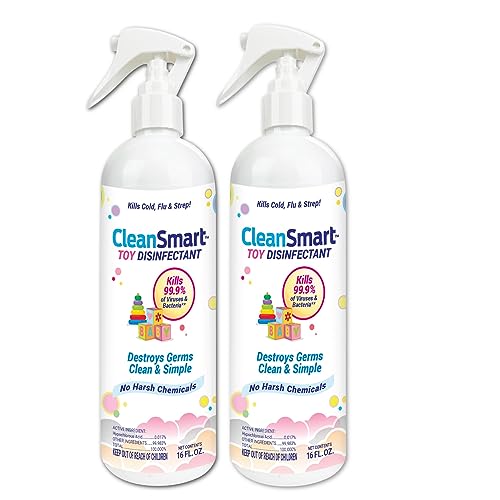
HIGHLY EFFECTIVE AND APPROVED for sanitizing DAY CARE CENTERS in all 50 states
What Are the Best Safe Cleaning Products for Leopard Gecko Tanks?
For cleaning your leopard gecko’s tank safely, hot water is your best choice for routine wiping and spot cleaning because it effectively removes dirt and residues without introducing harmful chemicals. Mild dish soap can be used when necessary—just be sure to rinse thoroughly to eliminate all soap traces that could harm your reptile. White vinegar, when diluted with water, is effective for weekly cleaning of glass and surfaces, helping to remove mineral deposits and buildup without chemical residues. For deeper cleaning and disinfection, diluted bleach—about one part bleach to sixteen parts water—is safe if used correctly, with surfaces rinsed thoroughly afterward to remove any residue. Commercial reptile-safe disinfectants are also available and suitable for maintaining hygiene, but always follow the manufacturer’s instructions. Remember to rinse all surfaces well and ensure they are completely dry before returning your gecko to prevent any chemical exposure. Avoid harsh chemicals and scented cleaning products, as these can be toxic or irritating to your leopard gecko.

Item Length: 0.02 Inches
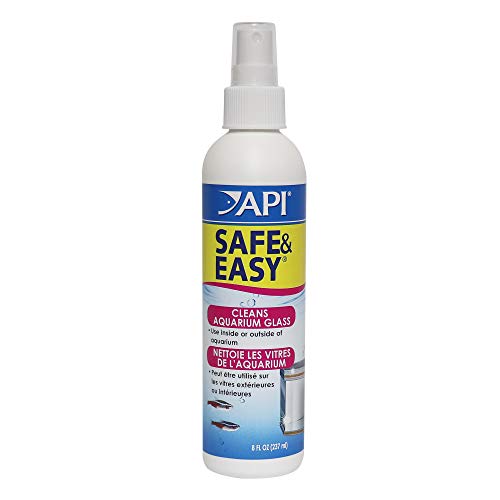
Contains one (1) API SAFE and EASY Aquarium Cleaner Spray 8-Ounce Bottle

CONDITIONS AQUA-TERRARIUM WATER: Essential care formula for pet reptiles and fragile amphibians.
How to Reassemble Your Tank After Cleaning Properly
After thoroughly cleaning and completely drying every component of the tank, you can begin reassembling your leopard gecko’s habitat. Start by placing fresh, fully dry substrate to prevent bacterial buildup; replace any contaminated material. For sand-based setups, rinse the sand, condition it if needed, and ensure it is fully dry before use. Proper drying helps prevent mold growth, which can affect your gecko’s health. Incorporating substrate safety into your cleaning routine further reduces risks associated with contamination. Using a safe substrate provides additional protection for your gecko’s well-being and makes maintenance easier.
Next, return all decor, hides, and furnishings. Sterilize these items with a reptile-safe disinfectant or diluted bleach, then rinse thoroughly and allow them to air-dry completely. Refit heat mats and other equipment only after confirming everything is dry and undamaged. Check that their placement is secure and that they are functioning properly. It is also essential to verify that all enclosure components are intact and free from damage before reintroducing your gecko. Reassemble the enclosure according to the original layout if possible, making sure all items are dry and stable. Conduct safety checks by ensuring the enclosure is dry, all residues have been removed, and that every component is secure. Only after these steps are complete should you return your gecko to its habitat.
Tips to Keep Your Leopard Gecko’s Habitat Clean and Healthy
Maintaining a clean and healthy habitat for your leopard gecko requires daily attention. Remove feces, shed skin, and uneaten insects from the enclosure to control odors and prevent bacterial growth. Pay special attention to hidden corners, hides, and feeding areas, checking for waste or dead feeder insects. Spilled substrate or damp spots should be cleaned or wiped promptly to prevent mold development. Food and water dishes need frequent cleaning—rinse them with hot water before refilling to eliminate residues. Once a month, perform a thorough cleaning of the entire enclosure. Depending on your setup, substrate replacement may be necessary every 3 to 4 months, or less often if you have a bioactive environment. Using reptile-safe disinfectants to sanitize surfaces and accessories regularly will help maintain hygiene. Establishing a routine cleaning schedule minimizes microbial risks and keeps your gecko’s habitat safe and healthy. Additionally, understanding the best breeder tanks for leopard geckos can help facilitate easier cleaning and maintenance routines, especially when selecting reptile-safe cleaning products for routine sanitation. Regular inspection of the enclosure for signs of mold or bacteria buildup also contributes to maintaining a healthy environment.
Common Cleaning Challenges and How to Fix Them
Stubborn waste buildup and dried residue are common cleaning challenges in a leopard gecko tank. Simple wiping may not remove these tough spots, especially if they are dried or caked on. To tackle them, use physical scrapers like a substrate scoop, a soft brush, or a damp cloth to gently scrub away hardened waste or shed skin. Algae on glass surfaces can often be removed with a gentle, non-abrasive cleaner and a soft cloth, but for stubborn spots, steam cleaning can loosen dried-on residue effectively. Regular inspections and maintenance are essential to prevent the buildup of debris and waste from becoming more difficult to remove over time. Pay special attention to corners and crevices where debris tends to collect. These areas often trap dirt and are missed by regular wipes or sprays. Use tools like a toothbrush or a small scrub brush to reach into tight spots. Proper enclosure cleaning is vital for maintaining a healthy environment and reducing bacterial growth. Chemical cleaners are most effective after you physically remove all visible waste, since disinfectants work better on clean surfaces. It is also helpful to understand the importance of water parameter stability, which can prevent issues like algae growth and spoilage. Always remove your gecko from the enclosure before applying any chemicals, ensure proper ventilation during and after cleaning, and rinse everything thoroughly to remove any residual cleaner. Let all accessories air dry completely before putting them back to prevent odors and contamination.


😊 Ammonia-Free Formula: Ensure the safety of your aquatic and reptilian friends with our ammonia-free cleaner, designed specifically for use around aquariums and terrariums without harming your pets.

QUICK AND EASY HABITAT CLEANER: Our natural enzyme formula is incredibly fast-acting and won’t leave behind greasy, sticky, or filmy residue like other terrarium cleaners or soaps. After removing all items, spray the habitat thoroughly and let sit for 3-5 minutes. Use a brush or wet cloth to remove excess messes and rinse completely with hot water until sudsing stops. Then wipe clean and let dry before returning your pet to it’s home.
Why Regular Tank Cleaning Is Crucial for Your Gecko’s Health
Regular tank cleaning is essential for your gecko’s health because it helps prevent the buildup of harmful bacteria and pathogens. Daily spot cleaning should be done to remove waste like feces, urates, shed skin, and leftover food. This helps control odor and limits bacterial growth. Replacing the substrate every few weeks prevents bacteria from accumulating beneath the surface. Sterilizing decorations such as hides and plants keeps microbes at bay, reducing the risk of illness. A thorough deep cleaning and disinfection every 4 to 6 weeks eliminate pathogens on tank surfaces and accessories. Make sure to rinse everything well and dry thoroughly to prevent residual moisture, which can encourage microbial growth. Using proper lighting and heating equipment creates a more stable environment that supports your gecko’s natural behaviors and health. Maintaining a consistently clean environment supports your gecko’s skin, respiratory, and digestive health, ensuring a safe and healthy habitat.