Algae on your aquarium plants can quickly turn a healthy tank into a green mess. Removing it might seem tricky, but with a few simple steps, you can restore your plants’ vibrancy.
By knowing how to gently clean algae without harming your plants, you’ll keep your tank looking beautiful and thriving.
The tips below will guide you through every step so you can handle algae effectively.
Understanding Different Types of Aquarium Algae
Understanding different types of aquarium algae helps you identify and manage their growth effectively. Green hair algae (GHA) appears as long, stringy strands that tend to cling to plant leaves and decorations. Blue-green algae (BGA) forms slimy, dark-colored coatings on surfaces and can spread rapidly if unchecked. Black beard algae (BBA) shows up as tough, black patches that often grow on hardscape and plant stems. Fuzz algae shows as white or gray tufts resembling fuzzy patches on plants or tank surfaces. Spot algae, such as green spot algae (GSA), embed deeply into plant tissues, making manual removal difficult. Diatoms coat aquarium surfaces with a soft, brownish film, especially in newly established tanks. Controlling light exposure and nutrient levels can significantly reduce the likelihood of algae growth and help maintain a healthy, balanced environment. Monitoring nutrient levels is essential to prevent the overgrowth of algae and promote healthy plant development. Recognizing their unique appearances and growth patterns allows you to intervene early. Maintaining nutrient balance, controlling lighting duration, and increasing water circulation are key strategies to prevent algae outbreaks. Regular water changes and effective filtration also play a crucial role in managing environmental conditions, thereby reducing algae proliferation. Monitoring your aquarium regularly and understanding their lifecycle stages can help you implement targeted cleaning routines and avoid long-term infestations.
Preparing Your Aquarium Before Removing Algae
Preparing your aquarium before removing algae involves several key steps to ensure a safe and effective cleaning process. First, turn off all equipment such as filters, heaters, and lights. This reduces stress on your plants and prevents algae from spreading during cleaning. Gather essential tools like soft brushes, tweezers, and siphons and set up a dedicated workspace to avoid cross-contamination. A clean, organized environment supports proper aquascaping and maintenance routines. Check water parameters including pH, nitrate, and hardness, especially if poor water quality contributed to the algae growth. Carefully remove affected plants, inspecting them closely for damage or decay, and trim any heavily affected areas. Inspect plants for algae spores to prevent unwarranted re-growth and further contamination. Additionally, monitoring water quality regularly can help you catch algae issues early and prevent outbreaks. Prepare clean containers for treatment and rinsing, ensuring all tools are sanitized before use. Proper preparation helps minimize algae recurrence and protects the overall health of your aquatic environment.
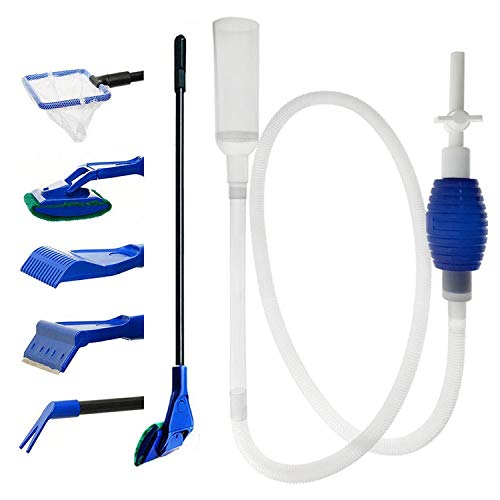
PREMIUM MATERIALS: Crafted from durable, high-quality materials, this aquarium cleaning kit is built to last and withstand frequent use for reliable fish tank maintenance.

【Novique Aquarium Cleaning Tool Kit】: Still hesitating over which tool to choose for perfectly cleaning your aquarium? Choose Novique now—one set of tools solves all your cleaning needs, providing a healthy living environment for your fish and aquatic plants. Featuring five different accessories, high toughness, sturdiness, and rust resistance, it offers secure installation and easy removal, plus a 19-inch anti-slip handle. With it, you'll enjoy crystal-clear underwater views every day.

The product kit includes: An efficient fish tank cleaning kit, including a aquarium net for removing debris, a siphon gravel cleaner for quickly sucking out muddy water, residual food and fish droppings from aquarium vacuum gravel cleaner, an algae scraper for keeping clear vision, and a sponge brush for gentle and effective surface cleaning, totaling 4 products.
Manual Methods to Safely Remove Algae From Plants
To safely remove algae from aquarium plants, manual methods are effective without harming delicate tissues. Start by gently shaking each plant in tank water to loosen loose debris and algae particles. Use your fingers to lightly brush affected areas, being careful to avoid harsh scrubbing that could damage tender leaves. For stubborn spots, soft brushes or algae pads are useful tools, especially near the tops of leaves or in high-light zones. Rinsing plants in clear, lukewarm water helps wash away dislodged algae, and trimming heavily infested leaves can prevent the algae from spreading further. To effectively maintain a healthy planted tank, understanding aquarium ecosystem balance is essential for preventing algae overgrowth. To complement manual removal, consider adding natural predators such as herbivorous fish or snails to help control algae levels naturally. Additionally, reducing the duration or intensity of your aquarium’s lighting schedule can significantly slow down algae growth, enhancing your manual efforts. Maintaining proper aquarium conditions is essential for preventing algae re-establishment and ensuring overall plant health. Maintaining stable water parameters is also crucial in creating an environment less conducive to algae proliferation. Proper maintenance and monitoring practices also play a crucial role in maintaining a balanced ecosystem to prevent algae from reestablishing.

【DaToo Fish Tank Cleaner】: Still worried about algae blocking your view and grime buildup harming your fish? This cleaning brush, specially designed for small aquariums, is the perfect solution! Its ergonomic triangular handle offers a comfortable grip, while the 3-in-1 brush head precisely tackles grime without scratching the tank surface , and is tough and durable. Restore crystal-clear visibility to your aquarium in no time, ensuring a healthy environment for your aquatic companions.

HIGH QUALITY BRUSH:the aquarium brush made of high quality sponge,it could remove the alge quickly and effectively,keep your fish tank inhabitants a clean environment.
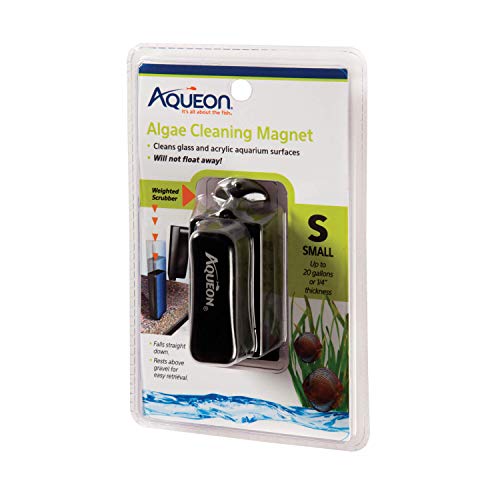
Magnet makes it easy to clean the inside of the aquariums from the outside
Using Chemical Treatments for Severe Algae Infestations
When algae infestations become severe, chemical treatments can quickly and effectively reduce algae growth if applied carefully. Target algae-prone areas by injecting treatments such as hydrogen peroxide or glutaraldehyde-based products like Seachem Excel directly onto affected spots. Before applying, drain the water to expose algae, making treatment more efficient. Use hydrogen peroxide at a dosage of 1.5 milliliters per gallon, but start with half that amount to assess plant sensitivity. Always follow the precise dosing instructions provided with the product. During and after treatment, increase aeration to maintain oxygen levels and prevent stress on your aquatic life. After chemical treatment, perform detoxification procedures to neutralize residual chemicals and avoid overexposure, which can be harmful to plants and fish. Proper application and adherence to safety guidelines are essential to prevent harm to your aquarium’s ecosystem. Incorporating appropriate aquarium maintenance practices, such as regular water changes, can help prevent future algae overgrowth and maintain a balanced environment. Regular monitoring of algae-prone areas and early intervention can also improve long-term control. Additionally, understanding the impact of chemical treatments on the overall aquarium balance is crucial for a healthy tank. Combining chemical applications with manual removal of algae ensures better long-term control and supports healthy plant growth.

Contains only food-grade hydrogen peroxide and purified, deionized water. No stabilizers or additives. The hydrogen peroxide solution is NSF Certified to NSF/ANSI/CAN 60 for drinking water treatment chemicals and NSF/ANSI/CAN 50 for pool, spa, hot tub, and other recreational water treatment chemical use.

POWERFUL ALGAE REMOVER FOR FISH TANK: MICROBE-LIFT Algaway 5.4 delivers fast-acting aquarium algae control; It eliminates green water, hair algae, and string algae to improve water clarity and reduce odor; EPA Registered for safety and reliability

TWO CORE INGREDIENTS. ENDLESS USES. Food grade hydrogen peroxide and deionized water combine to create one of nature's most versatile and powerful cleaning and oxygenating solutions — no unnecessary additives, no mystery chemicals, no fine print. If you've been searching for a clean, straightforward formula, this is it. Proudly bottled in the USA.
How to Rinse and Replant Plants After Cleaning
Rinsing your aquatic plants after cleaning is a crucial step to remove any residual algae, debris, and chemical traces. Use cool or room-temperature water to prevent stressing delicate leaves or breaking stems. Gentle water circulation during rinsing helps dislodge loosened debris without damaging the plants. Rinse immediately after treatment to ensure all residues are washed away and to maintain plant hardness. Proper rinsing also helps prevent the introduction of unstable water parameters that could affect your aquarium’s overall health. For plants treated with bleach or hydrogen peroxide, perform multiple rinses, especially with a dechlorinator bath if bleach was used. This neutralizes any remaining chemical traces. Before replanting, make sure the plants no longer smell like bleach. Lightly rubbing stubborn algae off with your fingers or a soft brush can help clean soft or fragile leaves without causing damage. When replanting, handle the aquatic plants gently. Carefully uproot or trim them without damaging roots, stems, or the crown. Once cleaned and prepared, reintroduce the plants into the aquarium, ensuring they are securely anchored and not stressed from the cleaning process.
Prevention Strategies to Keep Algae Under Control
Controlling algae effectively starts with implementing preventative measures that restrict its growth before it becomes a problem. Select algae-resistant plants that compete with algae for nutrients and light, helping keep buildup in check naturally. Adjust your aquarium lighting by limiting the photoperiod to 8–10 hours each day, using a timer for consistency, and avoiding direct sunlight. Excessive light intensity encourages algae growth, so dial it to match your plants’ needs. Prevent nutrient overload by not overfeeding your fish and dosing fertilizers conservatively. Regularly perform partial water changes—aim for 10–20% weekly—to dilute excess nutrients. Maintain strong water circulation and clean filters regularly to prevent nutrient hotspots that favor algae. Ensuring a balanced tank with healthy plants and proper filtration significantly reduces algae pressure, keeping your aquarium vibrant and algae-free. Additionally, proper water testing helps you track nutrient levels precisely and make informed adjustments. Consistent maintenance also helps prevent algae buildup, as it ensures that nutrient levels and water quality remain stable over time. Additionally, choosing the right aquarium substrates can help limit algae proliferation by reducing unnecessary nutrient accumulation. Proper nutrient management is crucial, as excess nutrients often promote algae growth and can undermine other preventative efforts.

CONTROLS ALGAE GROWTH: Removes existing algae from aquarium water and controls the formation of new algae in your tank.
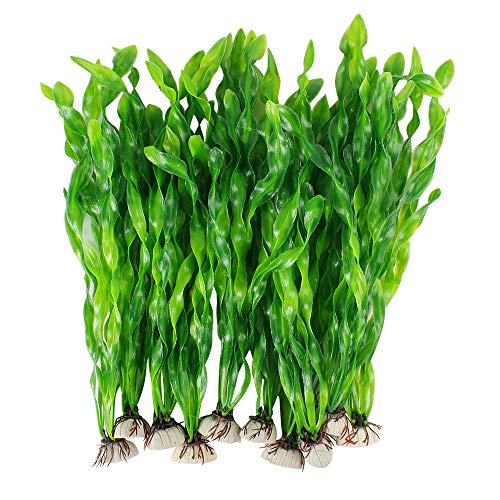
MyLifeUNIT Aquarium Seaweed Plastic Plant, made of eco-free non-toxic material PVC , ceramic base, won't contaminate water, color won't fade

Contains one (1) API ALGAE EATER WAFERS Algae Wafer Fish Food 1.3-Ounce Container
Troubleshooting Common Aquarium Algae Problems
Algae problems often originate from imbalances in your aquarium’s environment, making it crucial to identify and address the root causes quickly. The algae lifecycle—comprising initial growth, spread, and reproduction—guides your efforts to control it. Excessive light is a primary trigger, especially when combined with high nutrients from overfeeding or decaying plant matter, which raise nitrate and phosphate levels. Poor water quality due to infrequent water changes allows nutrient buildup, creating a fertile ground for algae. Similarly, weak water circulation results in dead zones where waste accumulates, providing ideal conditions for algae to thrive. Proper aquarium setup and regular maintenance are essential in preventing these issues. To combat algae, you need to correct these issues by reducing light exposure, maintaining proper nutrient levels, and boosting water flow. Additionally, understanding how plant care and placement influence algae growth can help you create a more balanced environment. Maintaining a balanced aquarium environment can effectively break the algae lifecycle and help restore your tank’s health.

4-IN-1 MACHINE - Aquarium Filter integrates four functions: Filtration, Deodorization, Oxygenation, and Water circulation. The flow rate of 200GPH, Power of 10W. Suitable for 20-75 Gallon fish tanks.

Fountain Algae Control Solution 8-Ounce Bottle. Also available in 32 oz. and 64 oz. bottles. DO NOT USE WITH FISH.

Turns green water to clear in 3 to 7 days.
When to Seek Professional Help or Consider Advanced Treatments
If algae continues to grow despite regular manual removal and adjusting your husbandry practices, it’s a clear sign that professional help may be needed. Proper identification of the algae species is crucial to pinpoint the root cause, whether it’s water-quality issues, equipment malfunctions, or biological imbalances. Watching your fish for signs of stress—such as decreased activity, rapid or labored breathing, or loss of appetite—can indicate broader tank health problems that require veterinary attention. Sudden outbreaks after changes to lighting, filtration, or stocking levels also suggest it’s time to consult an expert. An aquatic specialist can test parameters like nitrate, phosphate, pH, and circulation, offering targeted advice to resolve the problem. In sensitive tanks with delicate plants or invertebrates, consulting professionals before applying stronger treatments can prevent unintentional harm and ensure a safe recovery for all inhabitants. Regular monitoring of water parameters is essential, as consistent testing helps catch issues early before they escalate into severe algae problems. Additionally, understanding algae species identification can be vital in choosing the most effective treatment method. Recognizing the biological imbalances within your tank can help prevent future algae outbreaks, ultimately maintaining a healthier aquatic environment.