Wondering how to clean your aquarium gravel without disturbing your setup? Keeping the substrate healthy is key to a thriving tank, and regular cleaning is part of that.
By the end of this guide, you’ll know the simplest methods to rinse, vacuum, and maintain your gravel effectively.
Let’s dive into everything you need to keep your aquarium sparkling and your fish happy.
How To Prepare Your Aquarium for Gravel Cleaning
Before cleaning your aquarium gravel, it’s essential to prepare your tank properly to ensure safety and efficiency. First, unplug all electrical equipment such as filters, heaters, and lights to prevent damage during water removal. This also helps avoid electrical hazards. Next, have a designated clean bucket ready for rinsing the gravel, and prepare replacement water in advance, ideally dechlorinated and heated to match the tank’s current temperature to prevent fish shock. Adjust the aquarium’s lighting if necessary to reduce stress during maintenance. When removing the gravel, work in small batches to avoid disturbing the entire substrate at once. Use a sieve or strainer to catch loose stones, making the process easier and minimizing mess. Rinse the gravel thoroughly by agitating it in the strainer until the water runs clear, removing debris and buildup that can harm your tank’s health. Proper preparation also involves monitoring your water parameters closely to detect any potential issues early. Regular substrate maintenance is crucial for maintaining a healthy environment and preventing buildup of waste in your tank. Incorporating water quality management practices during cleaning can further help preserve a stable aquatic environment. After cleaning, spread the gravel evenly across the tank for a natural appearance. Slowly refill the tank with conditioned water, being careful to maintain the water’s pH and temperature to keep your aquatic inhabitants comfortable and safe. Additionally, proper preparation minimizes the risk of ammonia spikes and other water quality issues during and after cleaning.
Choosing the Best Tools and Supplies for Gravel Maintenance
Choosing the right tools and supplies is crucial for efficient and safe gravel maintenance in your aquarium. A gravel vacuum or siphon is your primary tool; select one that matches your tank size to ensure effective debris removal without disturbing the substrate excessively. Typically, a siphon with a diameter of 1/2 inch to 1 inch works well for most home aquariums. Use a dedicated bucket and water-handling equipment to collect waste, preventing contamination from household chemicals. Always use a safety feature like a protective sieve on the siphon to avoid accidentally removing or harming fish and invertebrates. Choosing the correct tools can also prevent unnecessary stress to your aquatic life, which is vital for their health. In addition to the vacuum, keep algae scrapers, sponges, and toothbrushes on hand to maintain clean glass surfaces and decorations. Aquascaping tweezers and scissors help adjust plants or reposition substrate without creating unnecessary disturbance. Check water temperature frequently with a thermometer during the process and use water conditioner on new water to neutralize harmful chemicals. Proper water testing during and after maintenance can help monitor water parameters and ensure a healthy environment. During maintenance, ensure proper aeration to maintain oxygen levels and keep your aquatic life healthy.

FUNCTION --- Easy to control, convenient to siphon fish faeces, impurities, turbid water out of fish tank.
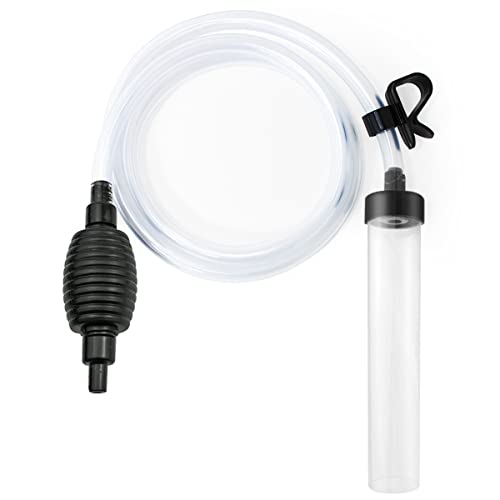
FUNCTION --- Easy to control, convenient to siphon fish faeces, impurities, turbid water out of fish tank.
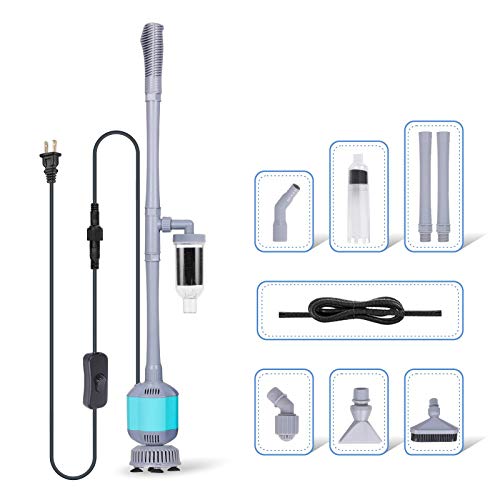
CLEANING FUNCTION: Our sand cleaner have four spliced rigid tubes, which can be extended from 11.4 inches to 40.5 inches according to the tank. With brush heads, each corner of the fish tank can be cleaned. Aquarium gravel cleaner can also be used with the duckbill suction port to suck dirt from the corner of the fish tank, and the dung can be easily sucked away
Step-by-Step Rinsing and Cleaning New Aquarium Gravel
To effectively rinse new aquarium gravel, work in small batches to enhance agitation and make drainage easier. Use about 1 to 2 inches of gravel in a container or scoop smaller portions into a strainer. Rinse each portion under running water, swishing to lift trapped dust, grit, and debris. This agitation not only cleans the gravel but also helps remove algae residues. Continue rinsing through multiple cycles until the water runs nearly clear, indicating most sediment and residual particles are gone. During rinsing, observe the gravel’s color change from cloudy to clear water, which signals readiness. For stubborn dirt, soak the gravel briefly in plain dechlorinated water to loosen debris. Regular rinsing is also recommended to maintain water quality and ensure a healthy environment for your fish. Additionally, choosing the right aquarium gravel can help reduce cleaning frequency and improve water clarity. Using proper rinsing techniques can further enhance the effectiveness of cleaning the gravel. Finish with a final rinse in dechlorinated water before adding the gravel to your tank, ensuring a clean, safe environment for your fish.
Simple Techniques for Vacuuming and Removing Debris
To vacuum your aquarium effectively, focus on controlling flow and direct contact with the substrate. Start by filling a hose with tank water to create a siphon, then place the end of the hose into a bucket positioned below the tank level. This setup helps maintain a consistent flow without-lasting suction.
When targeting debris, insert the vacuum straight into the gravel until it touches the glass, then lift slightly to allow larger gravel to fall away. Use short, controlled plunges to prevent excessive substrate from being sucked into the hose, which can clog the filter or re-distribute waste. Divide the tank into sections and work systematically, ensuring even cleaning coverage.
Pay special attention to zones where fish spend most of their time or where waste tends to accumulate. Always lift the vacuum gently to avoid disturbing your fish or displacing substrate too much. Monitor waste removal closely, and manage debris collection in a designated bucket to prevent contamination or overflows. This careful approach helps maintain a clean, healthy environment for your aquatic inhabitants.

Perfect for Regular Water Changes: No messy drips, and a sturdy one way valve to improve suction. You can clear 30L in about 5 minutes with our aquarium siphon

FUNCTION --- Easy to control, convenient to siphon fish faeces, impurities, turbid water out of fish tank.
![QZQ Aquarium Gravel Cleaner [2026 Edition] Vacuum Fish Tank Vacuum Cleaner Tools for Aquarium Water Changer with Aquarium Thermometers Fish Net kit Use for Fish Tank Cleaning Gravel and Sand](https://m.media-amazon.com/images/I/51S+2N20RtL._SL500_.jpg)
Mufti-functional cleaning kit: Aquarium gravel vacuum cleaner kit is a mufti-functional aquarium cleaner that uses (adopts)the siphon design principle, which includes the aquarium, aquarium sand washing, algae scraping, fish excrement cleaning, aquarium residual debris, and aquarium water changing. Quick water change gives fish (provides)a clean and comfortable aquarium living environment.
How to Safely Clean Old or Heavily Soiled Gravel
To safely clean old or heavily soiled gravel, follow these steps carefully. Start by turning off all heaters, filters, and pumps to avoid damage from dry running or clogs. Work in a well-ventilated area, such as a sink, tub, or outdoor space, to better control mess and wastewater. Gather dedicated aquarium tools like a bucket, sieve, and gloves before starting. Remove large decorations or plants to make debris easier to access and clean.
When rinsing the gravel, do so in small batches under lukewarm water. Use your hand or a tool to agitate the gravel, helping to dislodge organic buildup and stubborn grime. For gravel that is especially dirty, soak it in plain water overnight. After soaking, scrub the gravel with a brush that is safe for aquarium use to remove any remaining dirt. Avoid using soaps or detergents as they can leave residues harmful to aquatic life. If you need to use a stronger cleaning agent, prepare a diluted bleach solution, soak the gravel briefly, then rinse thoroughly to ensure no residues remain before returning it to the tank. Properly cleaning aquarium gravel can significantly improve water quality and overall tank health. Remember, understanding aquarium gravel cleaning methods can help maintain a healthy environment for your aquatic pets.

*Aquarium Cleaning Tool 6 in 1** Aquarium cleaning tools including Scraper,Gravel Rake, Brush,Cleaning Sponge,Fishing Net,and right- angle Cleaning Sponge

5-in-1 cleaning tool kit helps to keep tank neat and clean without getting hands wet. Made the cleaning work more easily

6-IN-1 Multifunctional Attachments: Metal scraper for getting the tough buildup off, big fish net for picking up waste or transferring fish into a temporary tank, firm scrub brush for sweeping air stone, powerhead surface and back corners, sponge pad for scrubbing glass surface, gravel rake for combing the sand, gravel and loosening the substrate soil while the V-shaped fork an added tools for reset plants
Best Practices for Partial Water Changes During Gravel Cleaning
Performing partial water changes during gravel cleaning involves removing between 10% and 25% of the existing water each week. This range helps maintain a stable environment, preserves beneficial bacteria, and effectively controls algae growth without causing sudden changes in water chemistry. If you notice the need for more extensive cleaning, you can increase the removal to 25%–30%, but never exceed 50% at one time. Larger water changes risk destabilizing the tank’s chemistry and stressing your fish. Regular water changes promote overall tank health and support a balanced ecosystem. Always replace the water gradually, using properly conditioned, temperature-matched water to prevent shocks and support substrate aeration. Before starting, turn off filters and heaters, then reassemble them after completing the water change. Use a siphon to target areas with high waste accumulation, and rotate the sections you clean weekly. Disperse the new water slowly onto a plate or decor to ensure a gentle flow, protecting the substrate’s stability. Regularly monitor your tank conditions, adjusting water change schedules as needed to keep your aquarium healthy.
Troubleshooting Common Gravel Cleaning Challenges
To troubleshoot common gravel cleaning challenges, start by understanding your equipment’s mechanics and adjusting your technique. If algae buildup or debris keep resettling, the filter may be blocked. Check for clogs that reduce flow and trap waste, then clear or replace the filter as needed. Proper filtration enhances biological activity, which naturally helps reduce waste and algae formation in the long run. If your gravel pulls up instead of debris, reduce the suction. Pinch the hose or switch to a smaller siphon to decrease pressure. Lift the vacuum slightly to let heavier gravel fall back while lighter debris continues being siphoned away. When water remains cloudy or dusty after cleaning, rinse new gravel thoroughly before adding it to the tank. Swish small batches in a bucket to loosen trapped particles before placing them in the tank. To effectively remove debris stuck between rocks, direct the siphon nozzle into those tight spaces and work systematically. Moving slowly and deliberately will help dislodge trapped waste, especially if you understand the filtering process involved. Regularly inspect your equipment for blockages, and avoid over-disturbing the substrate to maintain a clean and balanced aquarium environment. Additionally, ensuring proper substrate maintenance can prevent the buildup of debris and keep your tank cleaner longer.
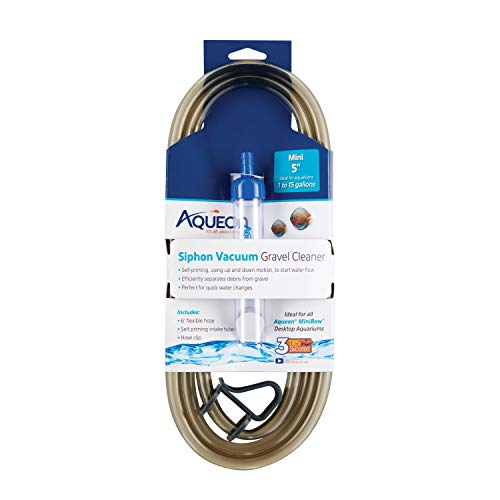
Makes routine water changes easier!

Versatile Cleaning Kit: Our aquarium gravel vacuum cleaner kit is a multi-functional solution for all your aquarium maintenance needs. It utilizes the siphon design principle to perform essential tasks such as aquarium cleaning, sand washing, algae scraping, fish excrement removal, debris elimination, and water changes. Equipped with three independent cleaning heads, our kit allows you to effortlessly tackle various tasks with ease.

Perfect Gravel Vacuum for Small & Nano Tanks: Specially designed for nano aquariums, small fish tanks, shrimp tanks, and planted aquariums with compact layouts and delicate décor
Tips for Maintaining a Clean and Healthy Substrate
Regular vacuuming of about one-third to half of the substrate weekly or bi-weekly is essential for maintaining a clean and healthy environment. This approach helps remove debris and excess organic material while preserving beneficial bacteria critical for biological filtration. Focus on targeted areas like feeding zones and corners where waste tends to accumulate. Use gentle siphoning to lift debris without disturbing microhabitats or stirring trapped waste into the water, which can cause cloudiness or water quality issues. When cleaning planted tanks, be careful around roots and avoid uprooting them, and trim overgrown plants to prevent debris buildup. Consistent, partial cleaning ensures a stable, nutrient-balanced substrate that supports vibrant aquatic life. For added filtration efficiency, consider using an aquarium air pump, which can enhance oxygenation and water movement.
When to Deep-Clean or Replace Aquarium Gravel
Deep-clean or replace your aquarium gravel when you notice visible signs of deterioration or changes in biological conditions. If the substrate looks stained with algae, organic debris, or uneaten food, it’s time for a thorough cleaning. Persistent cloudiness, unusual odors, or the presence of gas pockets indicate decomposing material or a bacterial imbalance that needs addressing. Physically damaged gravel, such as broken shards or clogged ceramic media, also requires replacement. For planted tanks, avoid disturbing roots and clean only part of the substrate to protect beneficial bacteria. Proper maintenance of aquarium plants can also influence the health of your substrate and overall tank environment. Additionally, ensuring your tank has the appropriate heating and filtration systems can help maintain biological stability. Regular removal of excess waste and algae control can prevent the buildup of harmful substances that compromise gravel quality. After cleaning or replacing gravel, monitor water parameters closely to ensure biological stability and help beneficial bacteria colonies re-establish.
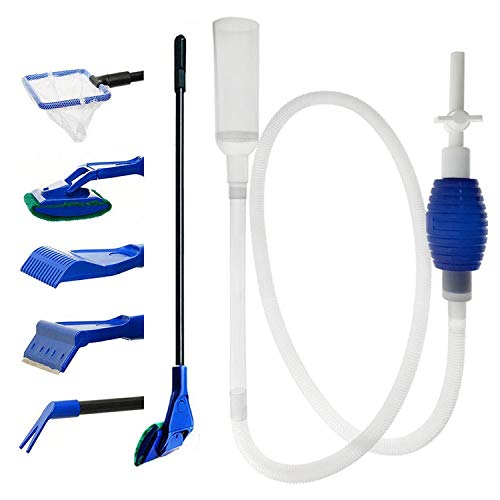
PREMIUM MATERIALS: Crafted from durable, high-quality materials, this aquarium cleaning kit is built to last and withstand frequent use for reliable fish tank maintenance.

【Multifunctional Aquarium Cleaning Tools】The fish tank cleaner vacuum is a multifunctional aquarium vacuum cleaner that utilizes the siphon design principle, featuring functions such as aquarium sand washing, algae scraping, fish excrement cleaning.

❤Mufti-functional cleaning kit: Aquarium sand and gravl washing, algae scraper, fish excrement cleaning, aquarium residual debris, and aquarium water changing.