Choosing the right filter for your pool can feel overwhelming, especially with options like cartridge and sand filters.
Your choice depends on whether you prioritize crystal-clear water and tiny debris removal or need a system that handles larger debris more efficiently.
The best filter for you will fit your pool size and cleaning needs, and the details below can help you decide.
What Are the Main Differences Between Cartridge and Sand Pool Filters?
Cartridge filters and sand filters differ primarily in how they remove debris from your pool water. Sand filters use a bed of fine sand as the filtration medium, trapping larger particles through depth filtration. They are generally effective for removing bigger debris like leaves and dirt but may struggle with finer particles. Cartridge filters, on the other hand, employ pleated paper or fabric materials to catch smaller particles on their surface, offering finer filtration. Additionally, cartridge filters typically handle chemical treatments better and require less maintenance related to chemical buildup. Sand filters need regular backwashing to clean the sand bed, which can be noisy and time-consuming. Cartridge filters usually operate quietly because they do not need backwashing, and their compact size makes them easier to install in tight spaces. Both systems can be effective but are suited to different needs based on the type of debris, chemical usage, and maintenance preferences, which can vary depending on your pool usage and environment. Moreover, understanding the filtration efficiency of each type can help you select the best option for your specific pool requirements.

【Money-Saving Pool Filters】Due to the reusable design of the pool filter cartridge, the cost of packaging logistics is greatly reduced, which will greatly reduce your...
How Filtration Performance Affects Water Clarity and Debris Capture
Filtration technology directly impacts water clarity and debris removal efficiency. Cartridge filters, which typically filter particles around 10–15 microns, are highly effective at trapping fine debris such as dust, pollen, and tiny particles. This results in clearer, more sparkling water with a polished appearance. Sand filters, on the other hand, capture larger particles approximately 20–40 microns in size. They excel at removing bigger debris like leaves and grass but may not efficiently trap the smaller particles, leading to slightly less crisp water clarity. To achieve high water transparency and effectively capture fine debris, cartridge filters are generally the preferable choice. Conversely, sand filters are better suited for environments with heavy debris loads, although they might compromise on clarity when finer particles are present. Your pool’s filtration performance depends on selecting the right filter technology to match your specific needs. The filter material, whether cartridge or sand, plays a crucial role in the overall efficiency of debris removal and water quality. Understanding the water parameters that influence filtration effectiveness can help you maintain a healthy, clear aquarium, especially considering how filtration performance affects overall water quality.
What Are the Maintenance and Operating Costs of Each Filter Type?
The maintenance and operating costs for each filter type vary significantly. Sand filters generally have lower initial purchase and replacement costs but tend to require more frequent maintenance. You’ll need to replace the media every 3 to 7 years, and annual maintenance costs range from $100 to $180. Operating costs include water usage from backwashing, which can add $200 to $400 each year. In contrast, cartridge filters have higher upfront costs and their replacement cartridges typically last 1 to 3 years, costing $50 to $100 each. Annual maintenance can cost between $200 and $400. Cartridge filters use less water and energy, which can reduce operating costs by up to 92 percent compared to sand filters. While sand filters last about 15 to 25 years, cartridges tend to last 10 to 15 years, impacting your long-term ownership costs. Additionally, understanding the maintenance requirements of each system can help you choose the most cost-effective option for your needs. Being aware of the filter lifespan can also influence your overall investment decision.

25% MORE ACTIVATED CARBON - Replacement Aqueon Filter Cartridges are dual-sided, featuring dense-floss with over 25% more activated carbon than the leading brands.
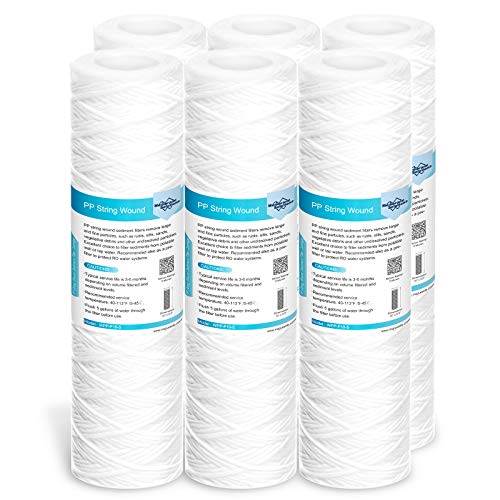
STABLE MATERIAL: Food grade 100% Polypropylene material, Lead and BPA-Free. Non-toxic, odorless, no leaching or secondary pollution.Providing a gratifying and user-friendly water-filtering experience.

High quality activated carbon keeps water clean
Which Filter Is Best for Your Pool Size and Debris Load?
Sand filters are generally the best choice for larger pools and those with heavy debris loads. They can handle high water volumes efficiently due to their large capacity for bulk debris like leaves and dirt. Their design allows for quick water turnover, which is crucial for maintaining water clarity in bigger pools. Additionally, sand filters are easier to install and maintain at scale, making them ideal for larger setups.
In contrast, cartridge filters excel at filtering fine particles and producing clearer water, especially in small to medium pools. They require more frequent cleaning of cartridges but offer superior filtration of microscopic debris. Sand filters also tend to consume less energy because of their straightforward backwashing process. Overall, for large pools with lots of debris, sand filters deliver durability and efficiency, whereas cartridge filters are better suited for smaller pools where fine detail in water clarity is desired.

High-Quality Filtration: 50 pounds of pre-washed, kiln-dried natural silica sand for pool filter captures dirt, leaves, hair, and debris without clogging or clumping

✔ EXCELLENT FILTRATION – SX2800 provides excellent water filtration with the 6-function valve that allows you to filter, backwash, rinse, re-circulate, drain and close the system.

{EFFICIENT WATER FILTRATION} Hydrotools sand filters are designed to hold sand at the most effecient position for optimized filtration, consistent performance, and efficient backwashing. Perfectly constructed to efficiently promote the cleanest water quality.
How to Decide Between a Cartridge or Sand Filter for Your Pool
Deciding between a cartridge or sand filter depends on your pool’s specific needs and your maintenance preferences. If you prioritize clear water and finer filtration, a cartridge filter is the better choice. Cartridge filters can trap particles as small as 5 microns, resulting in noticeably clearer water. They require manual cleaning, which involves removing and rinsing the cartridges regularly, but they are more water-efficient and often easier to install yourself. This makes ongoing maintenance simpler for owners who prefer hands-on control. Additionally, cartridge filters have a significantly larger filtration area (200-600 sq ft) compared to sand filters, enabling more effective filtering of finer particles and improving water clarity. This larger filtration area helps extend the time between cleanings, making them more convenient for regular use.
Sand filters are more suitable if you need to filter out large debris such as leaves and dirt. They are low-maintenance because they use backwashing to clean the sand, but this process consumes more water. Sand filters tend to have a lower initial cost, but over time you’ll need to replace the media, adding to long-term expenses. Proper media replacement ensures optimal filtration performance and can help reduce ongoing costs. When choosing, consider how much maintenance you’re willing to do, your goals for water conservation, the level of filtration fineness you require, and your budget. Both types are compatible with standard pool chemicals, so focus on which system aligns best with your maintenance style and filtration needs.

REDUCES SEDIMENT DOWN TO 5 MICRONS - Filters dirt, sand, silt, scale, and rust particles from your water supply to help protect plumbing fixtures, appliances, and downstream filtration systems
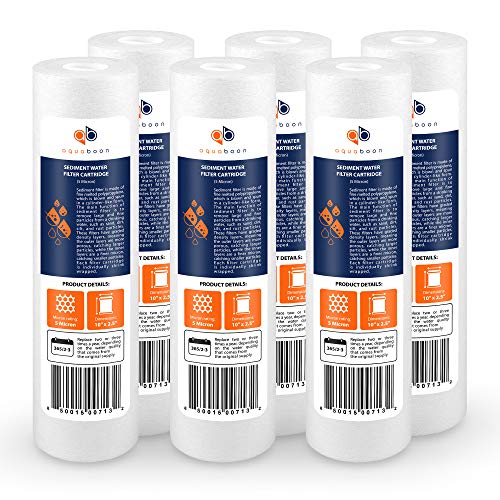
Superior Sediment Filter Performance: This 5 micron water filter captures contaminants like rust, sand, dirt, and sludge with ease. Thanks to its multi-layered design, this sediment water filter replacement ensures your water is clean and clear.

Heavy-duty footlocker storage tote provides ample space for storing your personal items